




What's Happening?
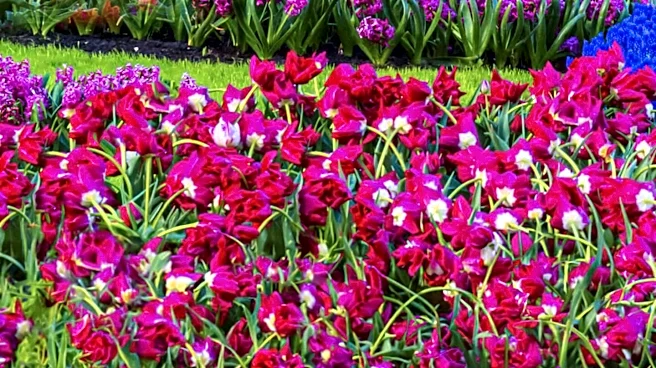
Longfield Gardens has released comprehensive advice on succession planting, focusing on how to maintain a vibrant garden after tulips have finished blooming. The guide emphasizes the importance of allowing tulip foliage to naturally die back to recharge
the bulbs for the following year, while simultaneously suggesting companion plants to camouflage the fading leaves. Recommended perennials include hostas, daylilies, catmint, and heartleaf brunnera, chosen for their ability to grow and cover the area as tulips decline. For quick summer color, annuals like sweet alyssum, petunias, calibrachoa, and zinnias are suggested. Additionally, summer-blooming bulbs such as dahlias, lilies, and gladiolus are presented as options to extend the flowering season. The advice also covers container gardening tips, suggesting treating container tulips as annuals or moving pots to less visible areas while foliage fades.
Why It's Important?
This guidance from Longfield Gardens is crucial for home gardeners seeking to maximize the aesthetic appeal and productivity of their garden spaces throughout the growing season. By providing strategies for succession planting, it helps gardeners avoid periods of bare or untidy beds after spring bulbs fade, ensuring continuous visual interest. The recommendations for specific plant pairings also promote ecological balance by suggesting plants that thrive in similar conditions and complement each other. This approach not only enhances garden beauty but also educates gardeners on sustainable practices, such as allowing bulbs to recharge naturally, which contributes to long-term plant health and reduces the need for frequent replanting. The detailed advice empowers gardeners to create more dynamic and resilient landscapes.
What's Next?
Gardeners can immediately implement the succession planting strategies outlined by Longfield Gardens. This involves planning and purchasing appropriate perennials, annuals, or summer-blooming bulbs to plant as tulip blooms begin to fade. Nurseries and garden centers may see increased demand for the recommended companion plants. Educational workshops or online tutorials focusing on these techniques could further assist gardeners in applying the advice effectively. Longfield Gardens may continue to provide seasonal guides, expanding on other aspects of garden maintenance and plant care, further solidifying their role as a resource for gardening enthusiasts. The ongoing adoption of these practices will lead to more visually appealing and sustainable home gardens.
Beyond the Headlines
The practice of succession planting, as detailed by Longfield Gardens, reflects a broader trend in horticulture towards more thoughtful and sustainable garden design. It encourages gardeners to view their plots as dynamic ecosystems rather than static displays, promoting biodiversity and continuous bloom. This approach also subtly educates consumers on plant life cycles and the interconnectedness of different species, fostering a deeper appreciation for natural processes. Ethically, it promotes responsible gardening by minimizing waste (e.g., not prematurely removing tulip foliage) and maximizing the use of garden space. Culturally, it contributes to the tradition of creating beautiful and productive home environments, enhancing quality of life and connection to nature.