




What's Happening?
Atlas Capital, co-founded by economist Nouriel Roubini, has proposed the concept of a 'third dollar,' or 'technodollar,' which would be a new digital reserve asset underpinned by U.S. assets in artificial intelligence and other advanced industries. This
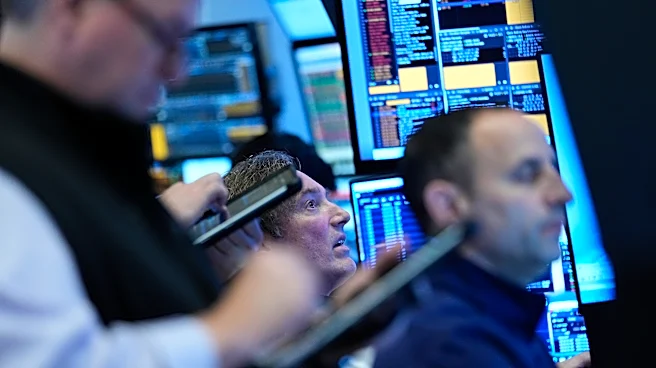
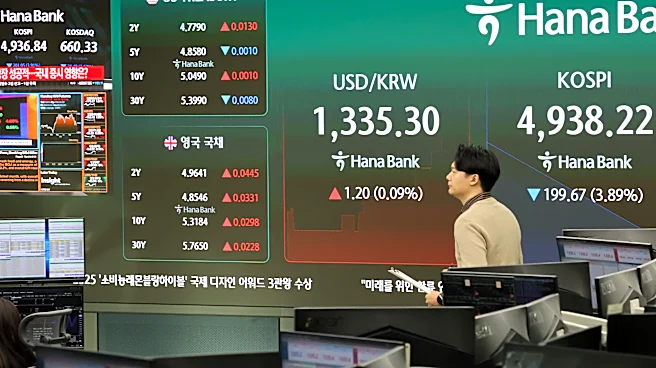
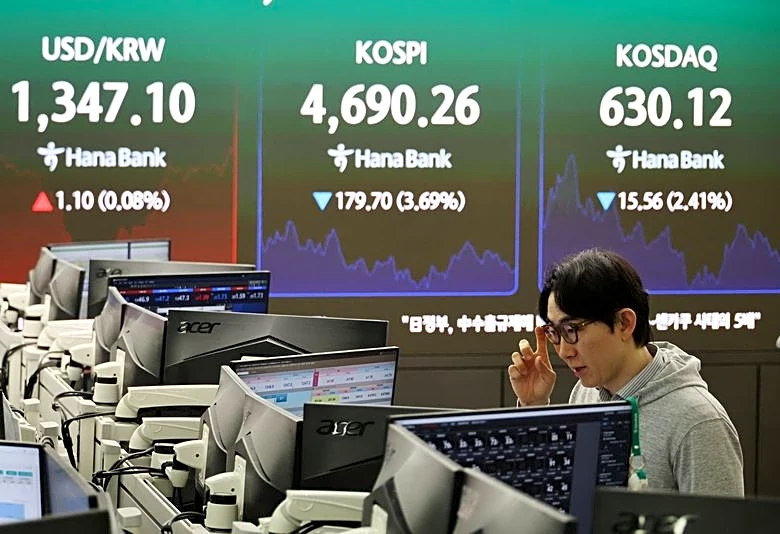
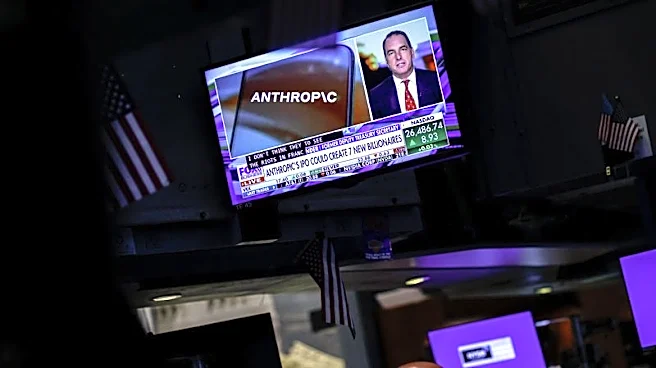
idea suggests an evolution of the dollar's backing, moving from gold (pre-1971) and then oil ('petrodollar' era post-Nixon shock) to advanced technology. Chief Executive Reza Bundy of Atlas Capital indicates that the dollar is transitioning into this third form. The proposal posits that Silicon Valley could become the new foundation for dollar dominance, similar to how Middle Eastern oil fields supported the petrodollar. However, recent market activity, including a sharp drop in technology stocks following the listing of AI company Anthropic, has raised questions about the viability and future profitability of this technology-backed dollar concept. This market reaction has led Wall Street to scrutinize the dream of a 'third dollar' and its reliance on the tech sector.
Why It's Important?
The emergence of a 'technodollar' concept is significant because it proposes a fundamental shift in the global financial order and the basis of U.S. dollar hegemony. Historically, the dollar's strength has been tied to tangible assets like gold or strategic commodities like oil. Shifting this foundation to advanced technology, particularly AI, reflects the growing economic power and strategic importance of the U.S. tech sector. If successful, this could solidify the U.S.'s financial dominance in an increasingly digital and technologically driven global economy. However, the recent volatility in AI stocks highlights the inherent risks. A widening gap between technological expectations and actual earnings could destabilize the proposed 'technodollar' and, by extension, the broader financial order. This scenario could impact global investors, trade partners, and countries holding significant dollar reserves, as the stability of their assets would become more closely linked to the performance of the U.S. technology market.
What's Next?
The concept of a 'technodollar' will likely continue to be debated and analyzed within financial circles, particularly on Wall Street. Future developments will depend heavily on the sustained growth and profitability of the U.S. artificial intelligence and advanced technology sectors. If the gap between market expectations for technology and actual corporate earnings continues to widen, it could further challenge the feasibility of using these assets as a stable foundation for a new digital reserve currency. Conversely, if the tech sector demonstrates consistent, robust growth and profitability, the 'technodollar' concept might gain more traction. Stakeholders, including financial institutions, policymakers, and international economic bodies, will be closely monitoring market trends in AI and advanced industries to assess the long-term implications for dollar hegemony and global financial stability. The discussion will also likely involve regulatory considerations for digital reserve assets and their integration into the existing financial framework.
Beyond the Headlines
The 'technodollar' concept extends beyond mere economic policy, touching upon deeper implications for national power and technological leadership. By proposing to anchor the dollar to AI and advanced industries, the U.S. is implicitly asserting its technological supremacy as a new form of geopolitical leverage. This move could accelerate the global race for technological dominance, as other nations might seek to develop their own tech-backed currencies or strengthen their domestic tech sectors to counter U.S. influence. Ethically, the reliance on AI raises questions about the control and governance of such a critical economic pillar, especially given concerns about AI's societal impact and potential for misuse. Legally, establishing a digital reserve asset based on private sector technology would necessitate new frameworks for oversight, valuation, and stability. Culturally, it signifies a shift in how economic value is perceived, moving from traditional resources to intellectual capital and innovation, potentially reshaping global economic hierarchies and fostering a new era of tech-driven economic competition.