


What's Happening?
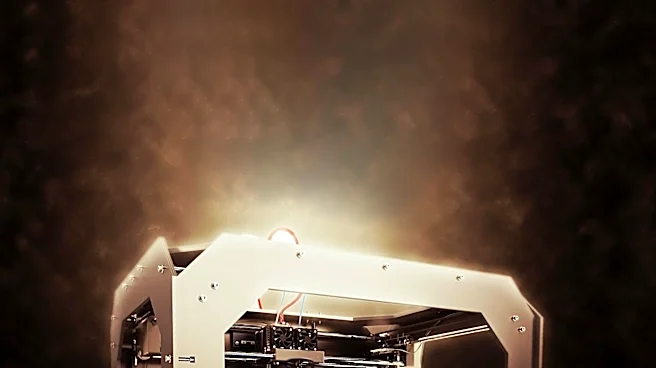
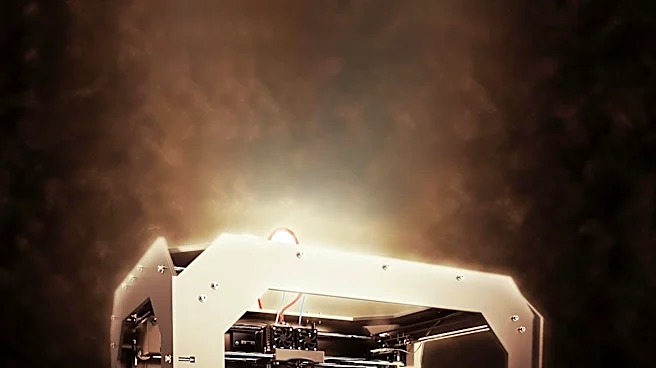
Additive Manufacturing (AM), or 3D printing, is increasingly recognized as a valuable component of supply chain resilience strategies, but not as a magical solution for immediate post-disruption recovery. While AM offers shorter manufacturing lead times
due to its digital nature and lack of dedicated tooling, the critical hurdle remains the qualification process for materials and parts. In most industries, replacing a conventional manufacturing process with AM requires extensive qualification to ensure performance, compliance with quality systems, and regulatory requirements. This qualification can take months, negating the speed advantage in an emergency. Therefore, AM's utility lies in proactive implementation: establishing qualified AM routes in advance for specific parts or families of applications where it offers a better combination of lead time, inventory cost, and supply chain risk compared to traditional methods. This involves understanding materials, application families, post-processing, capacity, and economics holistically.
Why It's Important?
For U.S. industries, integrating AM into supply chain resilience strategies can significantly reduce vulnerability to disruptions. By proactively qualifying AM alternatives, companies can decrease their reliance on large safety stocks, which tie up capital, and shorten recovery times when conventional supply chains fail. This is particularly important for parts with long lead times or those requiring expensive tooling. The ability to qualify a material and process for a broad family of applications, rather than individual parts, makes AM economically more viable as an insurance policy. This strategic use of AM can simplify supply chains, reduce inventory holding costs, and provide a credible recovery route for critical components, thereby enhancing operational continuity and competitiveness for manufacturers across various sectors, from aerospace to general manufacturing.
What's Next?
The future integration of Additive Manufacturing into supply chain resilience will likely involve continued advancements in AM technology, industrial experience, and standardization. As AM processes mature and more companies adopt it for serious production applications, the economic case for establishing qualified AM routes in advance will strengthen. Companies will focus on identifying specific part families or applications where AM can provide a superior balance of lead time, inventory cost, and risk reduction. The challenge will be to ensure that AM capacity exists not as idle emergency infrastructure, but as part of facilities already producing qualified AM parts for normal commercial purposes, allowing resilience demand to be a smaller part of their workload. This approach ensures that the necessary equipment, personnel, and quality infrastructure are maintained and improved, making them readily available when disruptions occur.
Beyond the Headlines
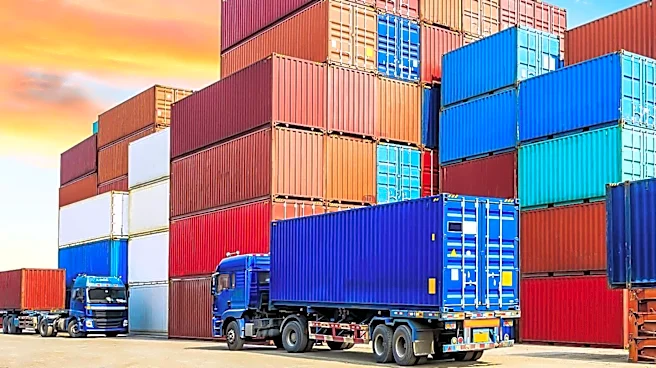
The strategic adoption of Additive Manufacturing for supply chain resilience has broader implications beyond immediate operational benefits. It signifies a shift towards more localized and distributed manufacturing capabilities, potentially reducing the environmental footprint associated with long-distance shipping and complex global supply chains. Ethically, it could empower smaller, regional manufacturers to become critical nodes in resilient supply networks, fostering local economies. Legally, the development of standardized qualification processes for AM parts will be crucial to ensure product safety and reliability across industries, potentially leading to new regulatory frameworks. Culturally, it represents a move towards greater self-sufficiency and adaptability in manufacturing, challenging the traditional reliance on highly centralized production models. This evolution could fundamentally alter how goods are designed, produced, and delivered, creating a more robust and responsive industrial landscape.