







What's Happening?
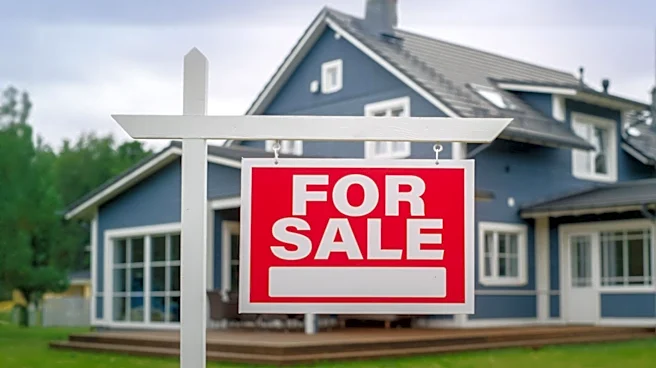
Homebuyers in the U.S. are increasingly paying higher costs for properties in areas with significant climate risks, such as flooding, wildfires, and extreme weather. According to a report by Realtor.com, homes in high-risk areas may be priced at a discount
or premium depending on the location. For instance, in Santa Clara County, California, high-risk homes are discounted, attracting more views due to lower prices. Conversely, in Anne Arundel County, Maryland, homes with severe climate exposure are priced higher due to desirable waterfront access. The report highlights that 23% of U.S. homes face severe climate risks, impacting property values and mortgage performance.
Why It's Important?
The impact of climate risk on the housing market is a growing concern for homebuyers, lenders, and policymakers. As natural disasters become more frequent and severe, the financial implications for homeowners and the broader housing market are significant. Higher insurance premiums, taxes, and homeowners association fees in high-risk areas can increase the cost of homeownership, affecting affordability and property values. Understanding and mitigating climate risks is crucial for ensuring the long-term stability of the housing market and protecting homeowners' investments.
What's Next?
Homebuyers and real estate professionals may need to prioritize climate risk assessments when evaluating properties. This could lead to increased demand for climate-resilient homes and the development of new building standards to address environmental challenges. Policymakers may also consider implementing regulations to ensure transparency in climate risk disclosures and promote sustainable development practices. As awareness of climate risks grows, the housing market may see shifts in buyer preferences and investment strategies, with a focus on resilience and sustainability.