







What's Happening?
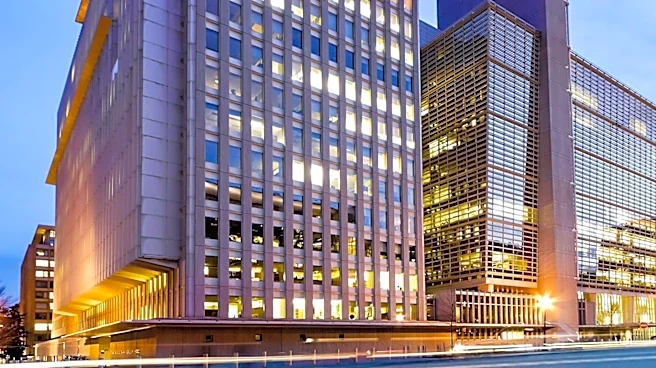
The World Bank (International Bank for Reconstruction and Development, IBRD), which holds Aaa/AAA ratings from Moody's and S&P, successfully priced a 6.3-year British pound sterling (GBP) benchmark bond. This Sustainable Development Bond, maturing in November
2032, raised GBP 1.25 billion from global investors. The bond offers an annual coupon of 4.750% and an annual yield of 4.766%, priced at +9.9 basis points over the 4.250% UK Gilt due June 2032. Barclays, Citi, and Santander served as joint lead managers for the transaction, which will be listed on the Luxembourg Stock Exchange. According to Jorge Familiar, Vice President and Treasurer of the World Bank Group, the exceptional reception from sterling investors complements the World Bank's recent benchmark transactions in USD and EUR, highlighting investor confidence in the institution's mission. The funds generated will support the World Bank's sustainable development activities in member countries, aligning with its mission to end extreme poverty and promote shared prosperity.
Why It's Important?
This successful bond issuance is crucial for the World Bank's ongoing efforts to finance sustainable development initiatives globally. The strong investor demand, particularly from the sterling market, underscores continued confidence in the World Bank's creditworthiness and its development mission. For the U.S. and other member nations, this translates into enhanced capacity for the World Bank to provide loans, guarantees, risk management products, and advisory services to middle-income and other creditworthy countries. These activities are vital for fostering economic stability, reducing poverty, and addressing global development challenges, which can indirectly benefit U.S. economic interests through increased global trade and stability. The alignment of World Bank bonds with the Sustainability Bond Guidelines published by the International Capital Market Association also signals a growing commitment to sustainable finance, influencing global investment trends towards environmentally and socially responsible projects. The ability to attract significant private capital for these initiatives reduces the burden on direct governmental contributions from member states, including the U.S., while still advancing shared development goals.
What's Next?
The funds raised from this GBP 1.25 billion Sustainable Development Bond will be deployed to finance various programs and activities aimed at achieving a positive impact in member countries. The World Bank will continue to issue bonds in international capital markets, leveraging investor confidence to fund its development agenda. This successful transaction may encourage further issuances in different currencies and markets, expanding the World Bank's funding base. The institution will also continue to provide leadership in coordinating regional and global responses to development challenges, utilizing these funds to support projects that improve lives, expand opportunities, and build a more resilient future for people worldwide. The focus will remain on projects that align with the World Bank's mission to end extreme poverty and boost shared prosperity, with ongoing reporting on the impact of these sustainable development bonds.
Beyond the Headlines
The robust demand for the World Bank's Sustainable Development Bond highlights a broader trend in global finance: the increasing integration of sustainability criteria into investment decisions. This is not merely a technical financial transaction but a reflection of evolving investor priorities, where environmental, social, and governance (ESG) factors are becoming as critical as traditional financial metrics. For the U.S., this trend has implications for its own financial markets and corporate practices, as U.S. investors and companies are increasingly expected to demonstrate similar commitments to sustainability. The World Bank's success in attracting 'exceptional' demand for a sustainable bond could serve as a benchmark, encouraging other international financial institutions and even national governments to adopt similar financing mechanisms. This shift could lead to a more resilient and ethically conscious global financial system, where capital is increasingly directed towards projects that address pressing global challenges like climate change and social inequality, fostering long-term stability and shared prosperity.