




What's Happening?
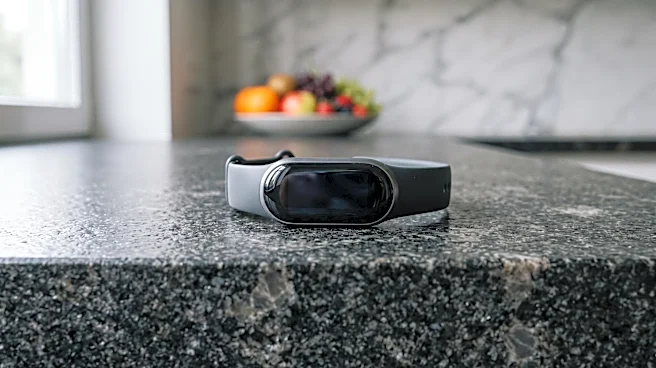
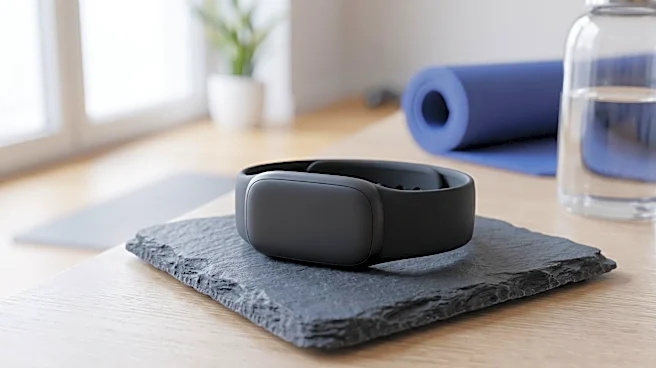
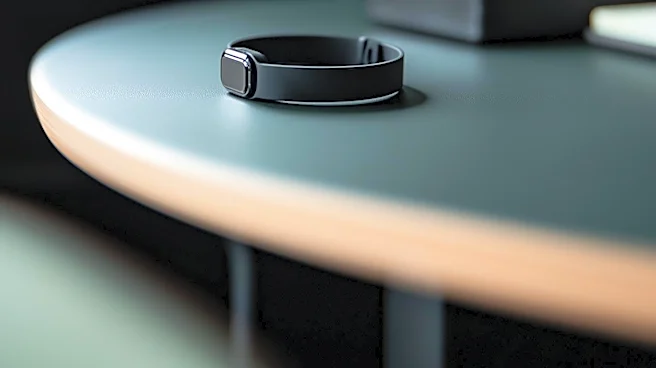
Owners of the new $180 Google Fitbit Edge have reported that the device does not offer hourly movement reminders, a feature that has been standard in Fitbit trackers since 2016. Previously, Fitbit devices would vibrate 10 minutes before the hour ended
if the user had not met a 250-step goal. The Fitbit Edge, while still logging hourly activity, does not issue these alerts. This change has been noted by users on platforms like Reddit, Facebook, and the Google Health Community, with a Google Health Community Specialist confirming the absence of this feature in newer models like the Fitbit Air. This marks a shift from Fitbit's earlier prompt-based approach to activity monitoring towards a more passive tracking method.
Why It's Important?
The removal of hourly movement reminders from the Fitbit Edge is significant for consumers who rely on these prompts to maintain an active lifestyle. Many users depend on these alerts to break up sedentary periods, and their absence could lead to decreased activity levels for those who are less self-motivated. This shift by Google, which acquired Fitbit, indicates a potential change in the company's philosophy regarding user engagement and health tracking. It could impact user satisfaction and brand loyalty, especially among long-time Fitbit users accustomed to the proactive reminders. For the broader wearable technology market, this decision might influence how other companies design their fitness trackers, potentially leading to a trend of more passive monitoring or, conversely, highlighting the value of explicit reminders for certain user segments.
What's Next?
Users who prefer or require hourly movement prompts will now need to find alternative solutions, such as setting manual alarms on their phones or consistently checking their device's step totals. It remains unclear whether Google plans to reintroduce this feature in future updates for the Fitbit Edge or other new models. The company's decision could lead to a segment of users exploring other fitness tracker brands that still offer such proactive reminders. This situation may also prompt discussions within the Google Health Community and other user forums about the balance between passive health tracking and active user encouragement in wearable technology. The market will likely observe how this change affects sales and user retention for the Fitbit Edge and subsequent Fitbit products.
Beyond the Headlines
This development highlights a subtle but important shift in the design philosophy of wearable health technology. The move from proactive, vibratory reminders to passive tracking could reflect a broader industry trend towards minimizing perceived interruptions, potentially prioritizing sleek design and battery life over direct behavioral nudges. However, it also raises questions about the effectiveness of fitness trackers in promoting actual behavior change if they become less intrusive. For individuals struggling with sedentary habits, the absence of a simple, consistent reminder could diminish the utility of the device. This change could also spark a debate about the role of technology in personal health management: should it be a silent data collector, or an active coach? The answer could shape future innovations in the wellness and fitness services industry.