





What's Happening?
At the Farnborough air show, a panel of experts highlighted the urgent need for airlines to invest in sustainable aviation fuel (SAF) to meet the industry's 2050 net-zero emissions goal. The panelists, including representatives from LanzaTech and IAG,
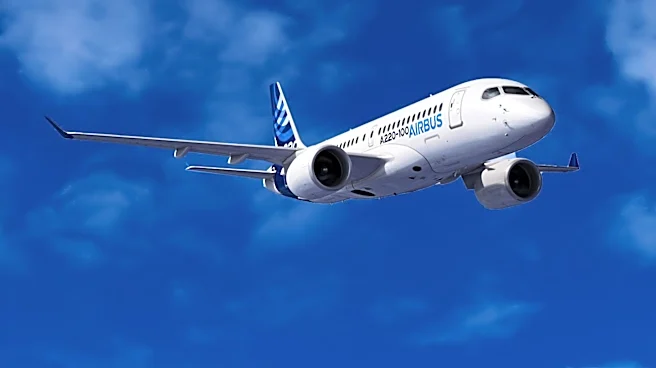
emphasized the importance of long-term offtake agreements to support SAF projects, which are currently struggling to scale up. However, recent policy changes, such as the European Commission's proposal to expand the emissions trading system, have deterred airlines from committing to these agreements. Airbus and Air Canada announced a joint investment of up to C$13.7 million to boost Canada's SAF industry, demonstrating a commitment to sustainability despite the challenges.
Why It's Important?
The push for investment in SAF is crucial for the aviation industry's transition to more sustainable practices. As airlines face increasing pressure to reduce carbon emissions, SAF offers a viable alternative to traditional jet fuel. However, the lack of long-term investment and policy support could hinder the industry's progress towards its environmental goals. The reluctance of airlines to commit to long-term agreements due to policy uncertainties highlights the need for stable regulatory frameworks to encourage investment. This situation affects not only the aviation sector but also broader efforts to combat climate change, as the industry is a significant contributor to global emissions.
What's Next?
The aviation industry may see increased collaboration between airlines and governments to create favorable conditions for SAF investment. Stakeholders might push for clearer policies and incentives to encourage long-term commitments. The success of initiatives like the Airbus and Air Canada partnership could serve as a model for other airlines and regions. Additionally, the industry may explore innovative financing mechanisms to support SAF projects through their 'valley of death' phase, ensuring they can scale up to meet future demand.