




What's Happening?
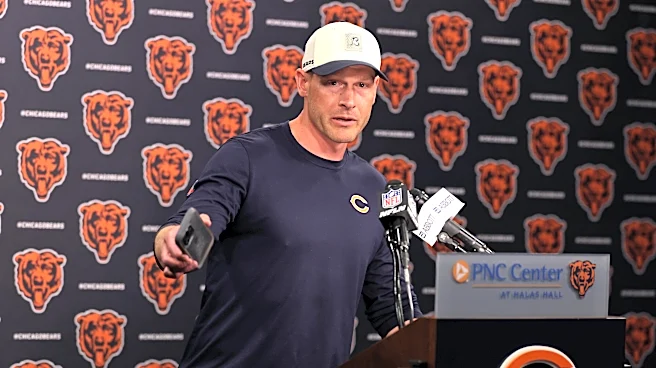
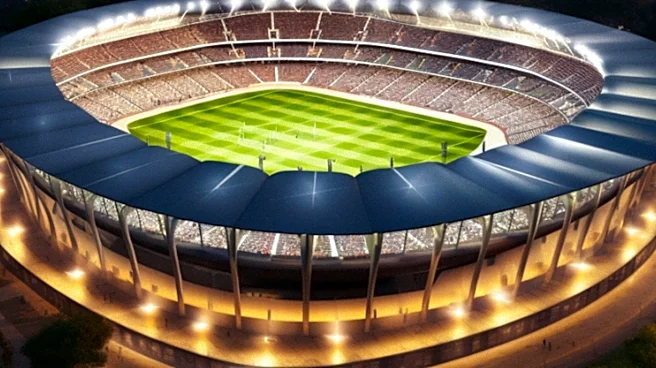
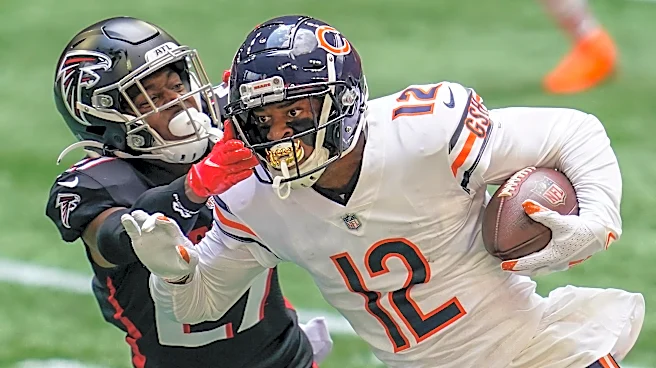
George McCaskey, Chairman of the Chicago Bears, is currently involved in the team's ongoing efforts to secure a new stadium. Despite recent public statements from McCaskey and team president Kevin Warren indicating a focus on a potential move to Northwest
Indiana, the team is still actively considering options within Illinois. NFL Commissioner Roger Goodell confirmed recent meetings with Illinois lawmakers to support stadium development efforts, emphasizing that both Illinois and Indiana are being given the opportunity to present their best proposals. The decision, initially expected weeks ago, has been delayed as an Illinois bill that could incentivize the Bears to build in Arlington Heights, where the team owns land, has yet to be voted on. Goodell clarified that there is no specific timetable for a final decision, and his involvement in discussions with public officials is a normal part of NFL business concerning significant team and community decisions. McCaskey is also noted for his traditionalist approach, which was evident in the recent unveiling of a heritage-focused 'Rivalries' uniform, honoring the team's history and founder George Halas.
Why It's Important?
The Chicago Bears' stadium decision carries significant implications for both Illinois and Indiana, impacting local economies, state revenues, and regional pride. A move to Northwest Indiana would represent a substantial economic boon for the region, bringing jobs, tourism, and increased commercial activity, while also potentially drawing a significant portion of the Bears' fan base across state lines. Conversely, losing the Bears would be a major blow to Illinois, particularly Chicago, which would forfeit the economic benefits associated with hosting an NFL franchise, including game-day revenue, hospitality, and related businesses. The ongoing negotiations highlight the intense competition between states to attract and retain major sports teams, often involving substantial public incentives and tax breaks. For the NFL, ensuring a modern, revenue-generating stadium is crucial for the long-term financial health of its franchises and the league as a whole. The outcome will also shape the future identity of the Bears, a team with a storied tradition, and could redefine their relationship with their long-standing fan base in Chicago.
What's Next?
The immediate next step involves the Illinois legislature, where a bill designed to incentivize the Bears to build in Arlington Heights is awaiting a vote. The passage or failure of this bill could significantly influence the team's decision-making process. Should Illinois offer a compelling package, it might shift the Bears' focus back to Arlington Heights, despite their public statements about Indiana. Conversely, if Illinois's offer is insufficient or delayed, the team may accelerate plans for a move to Northwest Indiana. Stakeholders, including state and local politicians, business leaders, and fan groups in both Illinois and Indiana, will continue to monitor developments closely and likely engage in further lobbying efforts. The Bears organization, under George McCaskey and Kevin Warren, will need to weigh the financial incentives, logistical challenges, and fan sentiment associated with each potential location before making a final commitment. The team's lease at Soldier Field is also a factor, as any new stadium would need to be ready before its expiration.
Beyond the Headlines
Beyond the immediate economic and political considerations, the Bears' stadium saga touches upon deeper themes of civic identity, public funding for private enterprises, and the evolving relationship between professional sports teams and their host cities. The debate over public subsidies for stadiums often sparks controversy, with critics arguing that such funds could be better allocated to public services, while proponents emphasize the economic and cultural benefits. For the Bears, a team deeply intertwined with Chicago's history and identity, a move out of state would represent a significant cultural shift, potentially alienating a portion of its loyal fan base. George McCaskey's traditionalist stance, as evidenced by the team's uniform choices, contrasts with the modern business imperative of maximizing revenue through new facilities. This situation also highlights the leverage professional sports teams hold over cities, often using the threat of relocation to secure more favorable deals. The long-term implications could include a re-evaluation of how cities and states engage with sports franchises regarding infrastructure development and financial partnerships.