
What's Happening?
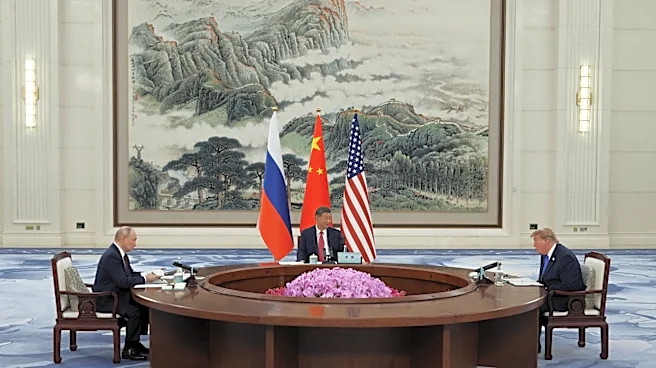
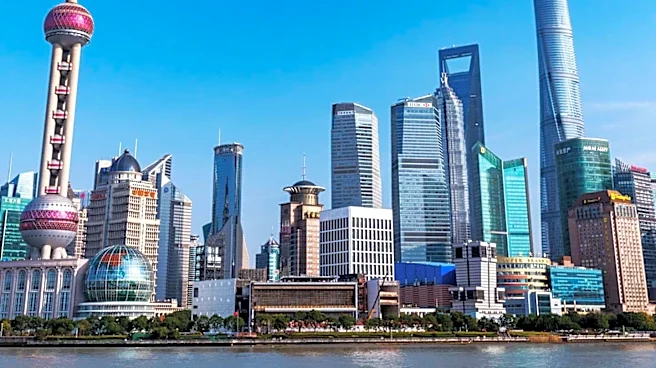
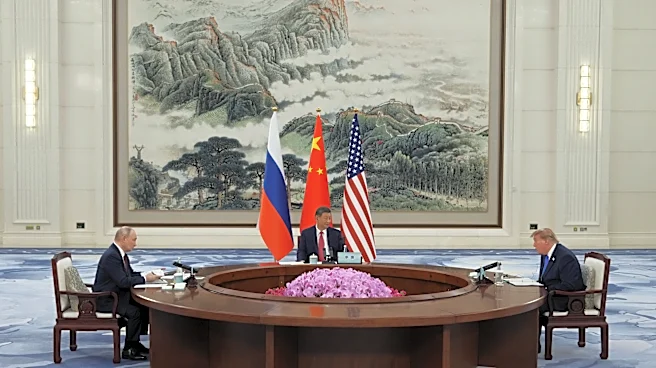
The APEC CEO Summit 2026 concluded on November 18 at the Qianhai International Convention Center in Shenzhen, China. Hosted by the China Council for the Promotion of International Trade (CCPIT), the summit
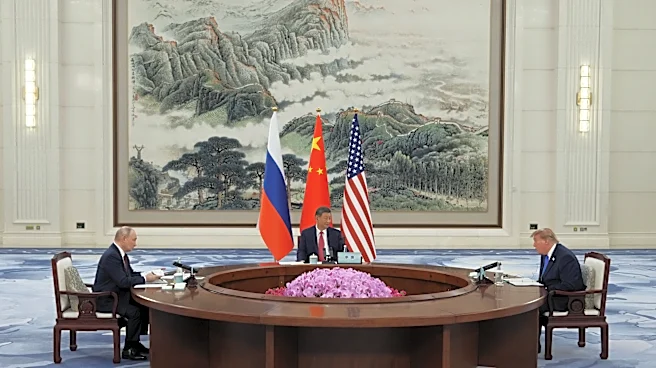
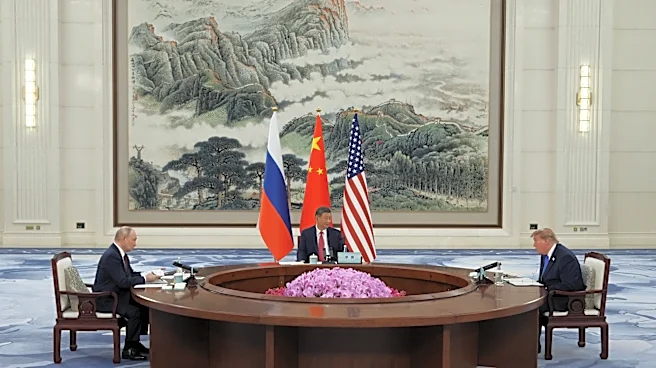
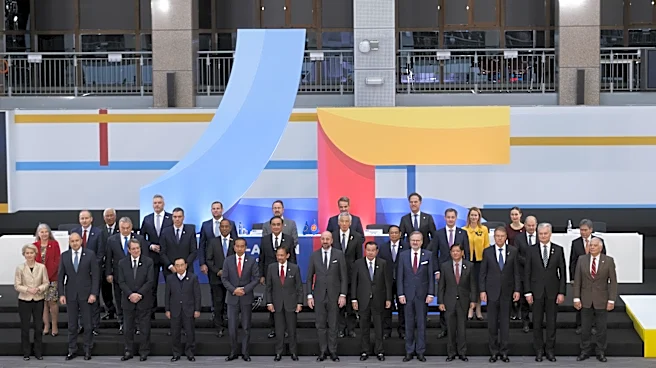
was a supporting event for the 33rd APEC Economic Leaders' Meeting, held from November 17 to 18. Chinese President Xi Jinping delivered a keynote speech at the opening ceremony. The event gathered over 2,000 political and business leaders from all 21 APEC economies and 13 non-APEC economies, including the United Kingdom, France, Germany, and Switzerland. The summit's theme was 'To Prosper and Win the Future Together,' featuring speeches from APEC economy leaders, business dialogues, and thematic discussions. Ren Hongbin, Chairman of the CCPIT and Chair of the APEC CEO Summit 2026, presided over the opening ceremony and released 'The Shenzhen Initiative of the Asia-Pacific Economic Cooperation (APEC) CEO Summit 2026' at the closing ceremony. This marks the first time in the summit's 30-year history that outcomes have been issued as an initiative. The hosting role for the next APEC CEO Summit was passed to Nguyen Quang Vinh, Vice Chairman of the Vietnam Chamber of Commerce and Industry.
Why It's Important?
The conclusion of the APEC CEO Summit 2026 and the release of 'The Shenzhen Initiative' underscore a collective effort among Asia-Pacific economies to foster regional economic cooperation and address contemporary global challenges. The initiative's call for deepening an open regional economy, driving inclusive growth through technological innovation, and strengthening regional connectivity signals a commitment to shared prosperity. For U.S. businesses and policymakers, this summit highlights ongoing discussions and potential frameworks for trade, investment, and technological collaboration within the Asia-Pacific region. The emphasis on artificial intelligence, sustainable development, the Free Trade Area of the Asia-Pacific (FTAAP), and the digital economy indicates areas where U.S. companies may find opportunities or face increased competition. The participation of numerous global leaders and business executives signifies the summit's role as a crucial platform for shaping future economic policies and partnerships that could impact global supply chains and market access for U.S. goods and services.
What's Next?
Following the APEC CEO Summit 2026, the focus will shift to the implementation of 'The Shenzhen Initiative' and its proposed actions. Member economies, including the U.S., will likely consider how to integrate the initiative's principles into their national and regional economic strategies. The handover of the hosting role to Vietnam for the next APEC CEO Summit suggests continued dialogue and collaboration in the coming year, with Vietnam setting the agenda for future discussions. Businesses and governments will monitor progress on key areas such as technological innovation, digital economy development, and sustainable practices, which were central themes of the summit. The discussions on the Free Trade Area of the Asia-Pacific (FTAAP) could lead to further negotiations or agreements that influence trade policies and market dynamics across the region. Stakeholders will also observe how the emphasis on regional connectivity translates into concrete infrastructure projects and policy reforms.
Beyond the Headlines
The issuance of 'The Shenzhen Initiative' as the first outcome document in the summit's 30-year history suggests a potential shift towards more actionable and unified declarations from APEC. This could signify a growing desire among member economies to present a more cohesive front on global economic issues, potentially influencing international trade norms and standards. The summit's focus on artificial intelligence and digital transformation also highlights the increasing recognition of technology as a critical driver for economic growth and regional integration, raising questions about data governance, cybersecurity, and equitable access to technological advancements. Furthermore, the emphasis on sustainable development reflects a broader global trend towards integrating environmental considerations into economic policy, which could lead to new regulatory frameworks and investment opportunities in green technologies. The discussions also implicitly touch upon geopolitical dynamics, as economic cooperation in the Asia-Pacific region often intersects with strategic interests and regional power balances.