



What's Happening?
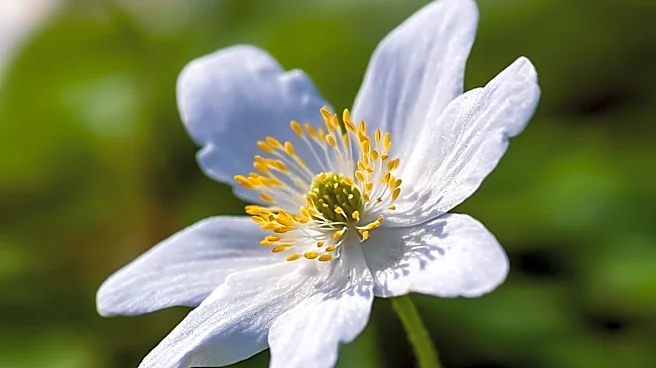
Japanese anemones, known scientifically as Anemone hupehensis, are highlighted as a vibrant option for fall planting. These flowers, which bloom from August to October, are noted for their white or pink petals and yellow stamens. They thrive in USDA Hardiness
Zones 4 through 8 and are suitable for gardeners looking to maintain color in their gardens as the weather cools. The flowers should initially be planted in pots before being transferred to enriched ground soil in early fall. They require full sun to partial shade and regular watering, especially during dry spells. While Japanese anemones can become invasive in loose soil, they are not considered invasive in the Upper Midwest, making them a safe choice for gardeners in that region.
Why It's Important?
The introduction of Japanese anemones as a fall planting option provides gardeners with a less common choice to extend the blooming season in their gardens. This is particularly beneficial for those in regions where maintaining garden color year-round is challenging. The flowers' non-invasive nature in certain areas like the Upper Midwest allows for environmentally safe gardening practices. Additionally, their ability to thrive in a range of sunlight conditions and their perennial nature make them a practical choice for both novice and experienced gardeners. This development could influence gardening trends and encourage more diverse planting strategies in fall gardens.
What's Next?
Gardeners interested in Japanese anemones should prepare to plant them in early fall, ensuring the soil is enriched with compost and mulched each spring. As these flowers can form clumps, they may require division in the spring to prevent overcrowding. Gardeners in regions outside the Upper Midwest should monitor the plants for invasiveness and manage them accordingly. The continued popularity of these flowers could lead to increased availability in garden centers and influence future gardening guides and recommendations.