





What's Happening?
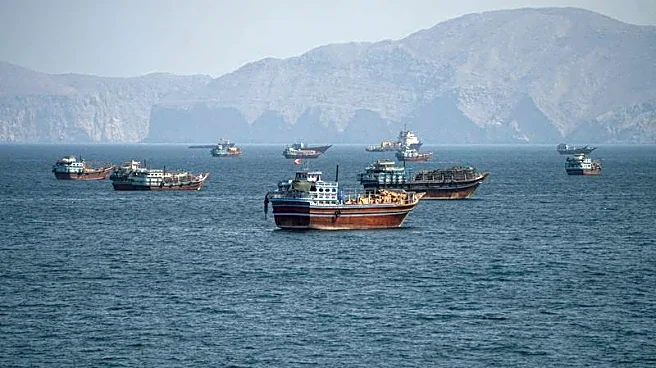
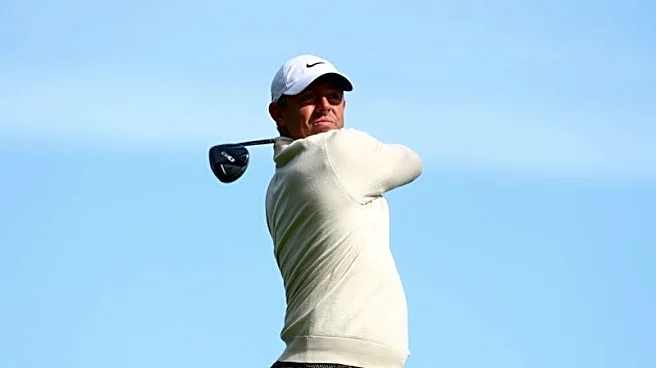
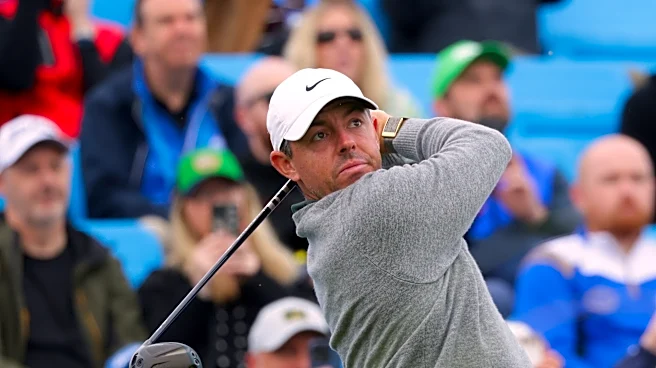
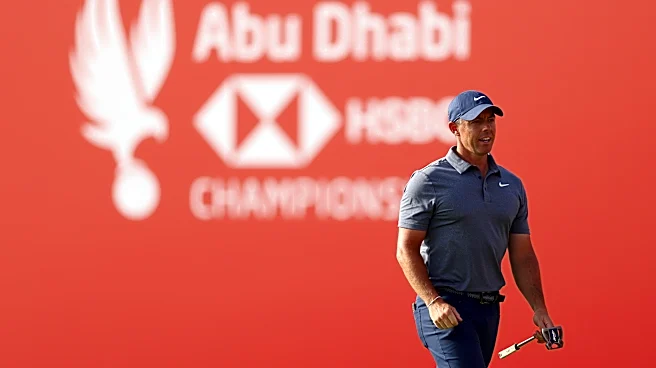
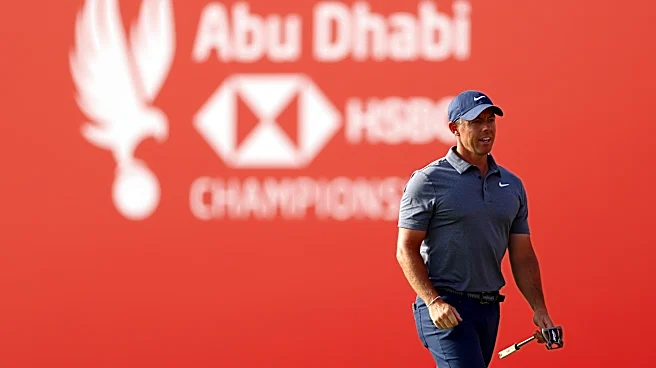
Golfer Rory McIlroy has downplayed safety concerns regarding his participation in the Abu Dhabi Championship this week, despite ongoing tensions in the Middle East. The tournament is the first of two lucrative, season-ending events in the United Arab
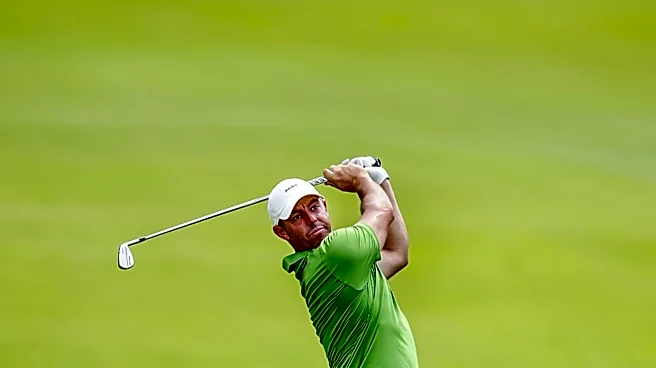
Emirates that will determine the winner of the year-long Race to Dubai title on the European tour. McIlroy, currently third in the standings, is aiming for a record-tying eighth season-long title. The tour has decided to proceed with the scheduled events in Abu Dhabi and Dubai, even with increased security concerns stemming from the Israel-Iran conflict and recent attacks in Saudi Arabia, which borders the UAE. McIlroy stated he does not feel unsafe, citing the UAE's defense systems and expressing confidence that any potential risk is outweighed by the reward of competing for the title. He has maintained close communication with the tour regarding the security situation.
Why It's Important?
McIlroy's decision and public statements are significant as they reflect the broader considerations professional sports organizations and high-profile athletes face when competing in regions experiencing geopolitical instability. His confidence in the UAE's security measures could influence other athletes and event organizers in their decisions about future competitions in the Middle East. The continuation of these high-stakes golf tournaments in the UAE, despite regional tensions, underscores the economic and strategic importance of these events for both the tour and the host nation. The Race to Dubai is a major draw, attracting top talent and significant media attention, which contributes to the UAE's image as a global sports destination. Conversely, any perceived security risks could deter some participants, as evidenced by Matt Fitzpatrick's earlier concerns about Dubai hosting the final event.
What's Next?
The Abu Dhabi Championship is set to proceed as scheduled, with McIlroy, Eugenio Chacarra, and Patrick Reed grouped together for the opening rounds, intensifying the competition for the Race to Dubai title. Following this event, the tour will move to Dubai for the World Tour Championship, the final event of the season. The tour's decision to maintain its schedule suggests a continued commitment to its Middle Eastern venues, at least for the immediate future. However, ongoing geopolitical developments in the region will likely continue to be monitored closely by sports organizations. The performance and statements of players like McIlroy during these events could further shape public perception and future scheduling decisions for international sporting competitions in the Middle East.
Beyond the Headlines
The situation highlights the complex interplay between global sports, geopolitical realities, and economic interests. While athletes like McIlroy focus on competition and personal safety, the broader context involves significant financial investments from host nations and sponsors, as well as the strategic branding opportunities that major sporting events provide. The willingness of a prominent athlete to publicly endorse the safety of a region amidst conflict can have far-reaching implications beyond the sport itself, potentially influencing tourism and investment perceptions. This scenario also brings to light the ethical considerations for sports bodies in balancing commercial interests with the well-being of participants, especially when operating in areas with heightened security concerns. The ongoing debate among players regarding the suitability of these venues underscores the diverse perspectives within the athletic community on such matters.