





What's Happening?
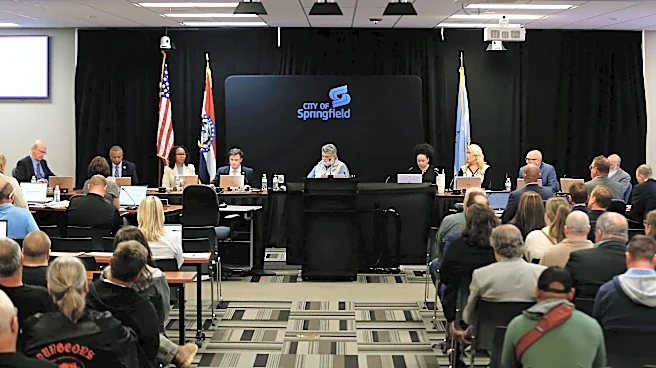
The Broken Arrow City Council has unanimously approved a one-year contract worth $150,000 with Garver LLC to conduct a feasibility study for a potential regional airport. The consultant company, based in North Little Rock with offices in Tulsa, will assess
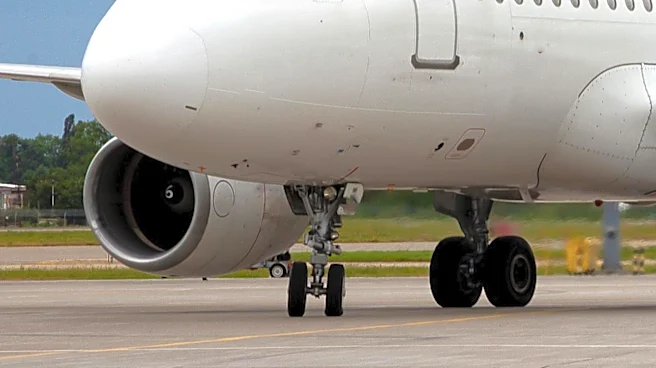
aviation demand and recommend a development plan. Broken Arrow Engineering and Construction Director Charlie Bright emphasized that this is an exploratory phase, clarifying that the city is not planning a large-scale airport like Tulsa International, but rather a smaller, general regional aviation facility. City Manager Michael Spurgeon noted that the idea emerged a year ago during the formulation of long-range plans, driven by inquiries from various community leaders and business figures about the city's lack of an airport.
Why It's Important?
This study represents a significant step in Broken Arrow's long-term economic development strategy. A regional airport could attract new businesses, create primary jobs, and enhance the city's overall economic vitality by improving connectivity and accessibility for corporate and general aviation. While any potential airport development is decades away, the initial investment in a feasibility study demonstrates the city council's commitment to future-proofing Broken Arrow's infrastructure and economic landscape. The project aims to address the needs of a growing community and capitalize on development in east Tulsa, potentially positioning Broken Arrow as a more attractive hub for businesses and residents seeking improved transportation options.
What's Next?
Garver LLC will now proceed with the one-year study to determine the economic viability of a regional airport in Broken Arrow. The study will include an analysis of supply and demand, considering corporate and residential needs, as well as potential overflow from existing airports. Following the study's completion, the city council will review the findings to decide whether to pursue further development. If deemed economically sound, the actual construction and operationalization of an airport could take 10 to 20 years. This initial phase is crucial for gathering data and making informed decisions about a potentially transformative project for the city.
Beyond the Headlines
The consideration of a regional airport highlights a broader trend in rapidly growing suburban areas to develop self-sufficient infrastructure that supports economic expansion and quality of life. This initiative reflects a strategic vision to diversify Broken Arrow's economic base beyond its current industries. The project also underscores the complex interplay between urban planning, economic development, and community needs, as the city balances growth with environmental and logistical considerations. The outcome of this study could set a precedent for how other mid-sized cities approach long-term infrastructure planning to sustain growth and competitiveness in a dynamic regional economy.