

What's Happening?
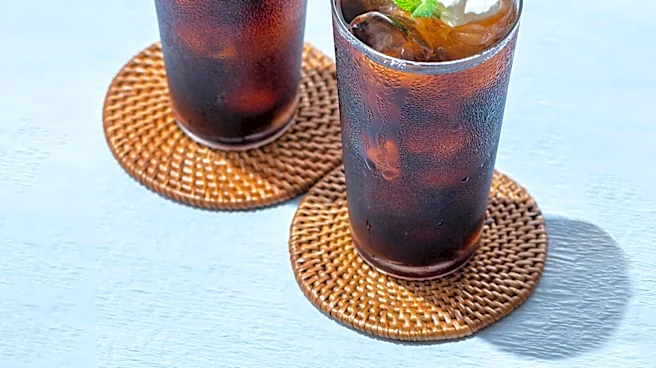
Starbucks, originally founded as a coffee shop, now reports that three out of every four drinks sold are cold beverages. This trend is largely driven by Gen Z consumers, born between 1997 and 2012, who increasingly opt for customizable iced drinks over
traditional hot coffee. These preferences extend to iced fruity drinks, protein shakes, and 'dirty sodas'—concoctions of foam, syrups, and juices. According to Tristan Höver, global insight manager for hot drinks at Euromonitor International, younger consumers view drinks as a means of self-expression and customization, providing a sense of control. This shift is not limited to Starbucks, with other fast-food chains like McDonald's, Chick-fil-A, and Taco Bell also launching fruit-based refreshers and non-caffeine cold options to target this demographic.
Why It's Important?
This significant shift in consumer preference towards cold, customizable beverages, particularly among Gen Z, has substantial implications for the U.S. beverage and fast-food industries. Starbucks' success in adapting to this trend, with cold drinks now comprising over 70% of its U.S. beverage sales, demonstrates the financial impact of catering to younger demographics. Other chains are following suit, indicating a broader industry pivot. This trend highlights the importance of product innovation, personalization, and visual appeal in attracting and retaining Gen Z customers, who are often price-sensitive but willing to pay more for unique or functional drinks. The 'affordable luxury' perception, as described by Vanderbilt University Professor of Marketing Kelly Goldsmith, allows companies to maintain premium pricing for these visually appealing and customizable options, contributing significantly to their bottom line.
What's Next?
The beverage industry is expected to continue innovating with new cold drink formulations, focusing on unique flavors, functional ingredients, and visually appealing presentations to capture the Gen Z market. Companies will likely invest more in marketing campaigns that leverage social media platforms like TikTok, as seen with Starbucks' Unicorn Frappuccino and Dunkin's collaborations with celebrities like Kylie Jenner. This will involve creating shareable, aesthetically pleasing drinks that resonate with Gen Z's desire for self-expression. We can anticipate further expansion of customizable options, allowing consumers to tailor their drinks with various foams, syrups, and protein boosts. The emphasis on cold drinks is also likely to extend beyond summer, as data suggests year-round consumption, prompting companies to integrate these offerings into their core strategies regardless of the season.
Beyond the Headlines
The dominance of cold, customizable drinks among Gen Z reflects a broader cultural shift where consumption is intertwined with personal identity and social media presence. These beverages are not merely thirst quenchers but serve as fashion accessories and tools for self-expression, much like clothing or hair color, as noted by analyst Jerry Sheldon. The visual appeal and 'Instagrammability' of these drinks are crucial, transforming them into social currency. This phenomenon underscores the power of social media in shaping consumer trends and influencing purchasing decisions, particularly among younger generations. It also highlights a generational difference in how value is perceived, with Gen Z often prioritizing experience, customization, and aesthetic over traditional product attributes, pushing brands to evolve their marketing and product development strategies accordingly.