



What's Happening?
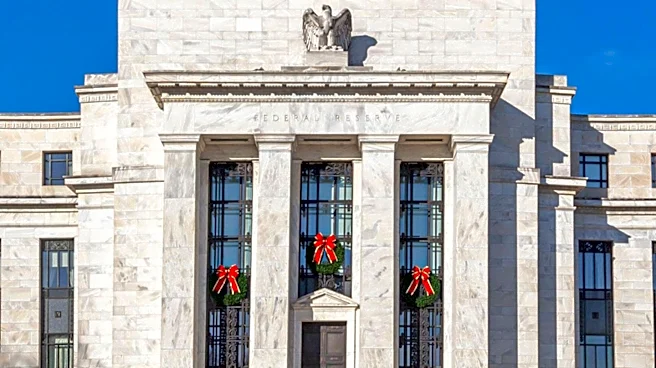
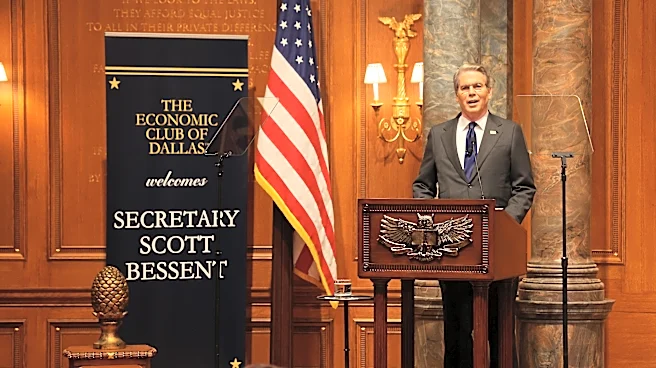
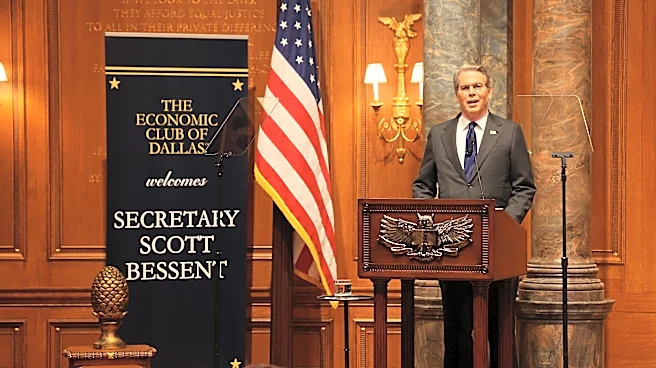
Treasury Secretary Scott Bessent has issued a warning that the Federal Reserve risks harming the U.S. economy by overtightening its monetary policy. This caution comes days after a market correction in the tech sector intensified fears of a potential
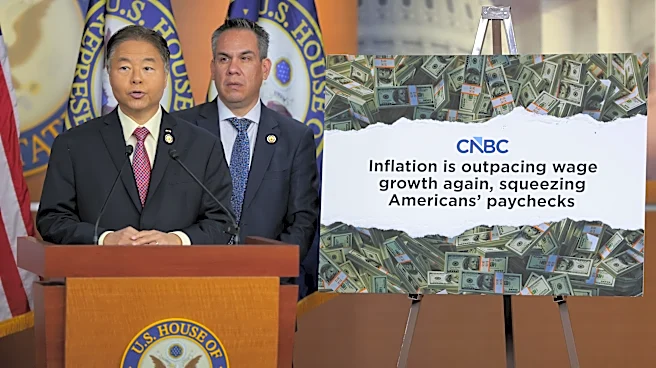
'AI bubble' bursting, as reported by Semafor. Traders have reportedly scaled back expectations for a half-point interest rate hike on December 9, following Anthropic’s record-setting IPO and strong tech earnings that failed to boost market sentiment. Some investors are concerned that the Fed might be tightening policy into an economic slowdown, especially as both earnings and AI investment appear to have peaked. Federal Reserve Bank of Chicago President Austan Goolsbee also noted that the boom in AI data center construction is contributing to the nation's 'borderline disturbingly high' inflation, with significant business investment in the sector indirectly driving up service prices. Goolsbee, who will join the Federal Open Market Committee in January, stated that the Fed's future decisions will depend on whether U.S. inflation is on track to meet the central bank's 2% annual target, a path he currently believes the economy is not on. Consumer prices in the U.S. rose 0.4% in October, exceeding economists' expectations, according to CBS News.
Why It's Important?
Secretary Bessent's warning highlights a critical juncture for U.S. economic policy, balancing inflation control with the risk of inducing a recession. The Federal Reserve's interest rate decisions have far-reaching implications for businesses, consumers, and the broader financial markets. Overtightening could stifle economic growth, increase borrowing costs for companies and individuals, and potentially exacerbate a downturn if the 'AI bubble' concerns materialize. Conversely, not addressing inflation could erode purchasing power and economic stability. The debate also underscores the growing influence of the AI sector on the national economy, with its rapid expansion contributing to inflationary pressures through increased business investment. This situation creates a complex challenge for policymakers, as they must navigate the potential for both an economic slowdown and persistent inflation, impacting investment strategies, employment rates, and overall market confidence. The outcome of these policy decisions will significantly affect various stakeholders, from tech investors to everyday consumers.
What's Next?
The Federal Reserve's next moves on interest rates will be closely watched, particularly the December 9 decision, for which expectations of a half-point hike have already been pared back. Federal Reserve Bank of Chicago President Austan Goolsbee will become a voting member of the Federal Open Market Committee in January, and his views on inflation and the AI boom's impact will likely influence future policy discussions. The central bank's primary focus will remain on whether U.S. inflation can return to its 2% annual target. Continued monitoring of economic indicators, including consumer prices and tech sector performance, will be crucial. Stakeholders, including investors, businesses, and consumers, will need to prepare for potential shifts in monetary policy that could affect credit markets, investment opportunities, and economic growth trajectories. The ongoing discussion around the 'AI bubble' and its potential implications for market stability will also remain a key factor in economic forecasts and policy considerations.
Beyond the Headlines
The current economic climate, as described by Secretary Bessent and President Goolsbee, points to a deeper tension between technological innovation and macroeconomic stability. The 'AI boom,' while promising significant advancements, is also creating unique inflationary pressures and market dynamics that challenge traditional economic models. The concept of an 'AI bubble' suggests a speculative fervor similar to past tech booms, raising questions about the sustainability of current valuations and investment levels in the sector. This situation could lead to a re-evaluation of how emerging technologies are integrated into economic policy frameworks, potentially prompting new regulatory considerations or investment guidelines to mitigate systemic risks. Furthermore, the debate highlights the increasing interconnectedness of technological development, financial markets, and everyday consumer prices, suggesting that future economic stability may depend on a more nuanced understanding and management of these complex interactions. The long-term implications could include shifts in investment patterns, labor markets, and the overall structure of the U.S. economy as AI continues to mature.