






What's Happening?
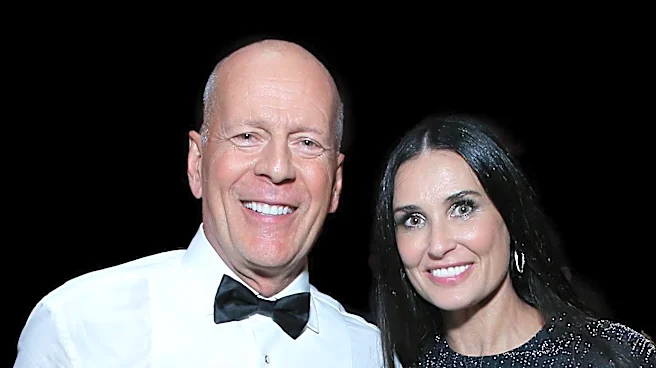
Tallulah Willis, daughter of actors Demi Moore and Bruce Willis, has publicly shared her experience with quitting vaping after 13 years of daily use. As a writer and advocate for young women, Willis documented her quitting process on social media to maintain
accountability. She highlighted that the most challenging aspect was not the cravings, but managing the overwhelming stress of a 'really, really bad day' without her usual release. Her public commitment helped her stay on track and celebrate her success in remaining nicotine-free. Willis's efforts are part of a broader trend where individuals are increasingly recognizing the drawbacks of vaping, such as its cost, exposure to toxic chemicals, potential lung damage, and addictive nature. Many young people are seeking ways to quit, with 67% of nicotine users aged 18 to 24 planning to do so this year, according to Truth Initiative.
Why It's Important?
Tallulah Willis's public advocacy is significant as it contributes to destigmatizing nicotine addiction and provides a relatable narrative for young people struggling to quit vaping. Her transparency in sharing the difficulties and successes of her journey can inspire others to seek support and pursue cessation. The broader context reveals a growing awareness of the health risks associated with vaping, which was once marketed as a safer alternative to cigarettes. The shift in perception, particularly among younger generations, from viewing vaping as 'cool' to recognizing it as an embarrassing addiction, underscores a critical public health development. This change in attitude, coupled with the high percentage of young nicotine users planning to quit, indicates a potential decline in vaping prevalence and a greater demand for effective cessation resources and support systems. The involvement of public figures like Willis can amplify these messages and encourage more open conversations about addiction and recovery.
What's Next?
Following Tallulah Willis's public account, it is anticipated that more individuals, particularly young women, may be encouraged to address their vaping habits and seek support for quitting. Her continued advocacy, especially through social media, could foster a community around nicotine cessation and provide ongoing motivation. Public health organizations and anti-smoking nonprofits like Truth Initiative are likely to leverage such personal stories to further their campaigns against vaping and promote healthier lifestyles. There may also be an increased focus on developing and promoting effective quitting strategies that go beyond willpower, such as accountability systems and professional guidance, as highlighted by experts. The trend of celebrities relocating to places like Nashville, as mentioned in one source, suggests a desire for a slower pace of life and potentially a healthier environment, which could indirectly support wellness initiatives.
Beyond the Headlines
Tallulah Willis's experience touches upon deeper societal implications regarding addiction, mental health, and the influence of social media. Her decision to use social media for accountability transforms a personal struggle into a public platform for change, highlighting the evolving role of digital spaces in health and wellness advocacy. The narrative also subtly critiques the initial marketing of vaping products, which contributed to their widespread adoption among youth. The shift from vaping to other nicotine products, or even back to traditional cigarettes in some cases, reveals the complex and often counterproductive nature of addiction and cessation efforts. This situation underscores the need for comprehensive public health strategies that address not only the physical aspects of addiction but also the psychological and social factors that influence substance use among young adults. The emphasis on self-care and well-being, as discussed by her mother Demi Moore in a separate context, resonates with the broader movement towards holistic health, suggesting a cultural shift where personal well-being is increasingly prioritized.