








What's Happening?
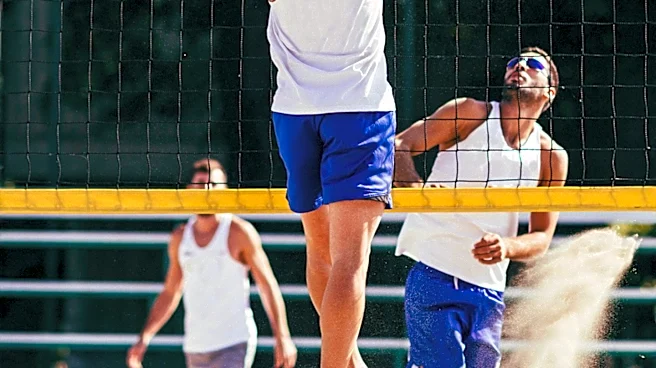
Florida State University Schools (Florida High) is actively searching for a Beach Volleyball Head Coach. This part-time, OPS (Other Personnel Services) position is crucial for leading and expanding the middle school and high school beach volleyball program.
The selected coach will be responsible for cultivating a positive, competitive, and developmentally appropriate environment that prioritizes sportsmanship, academic accountability, and athletic excellence. The role involves overseeing all aspects of the Beach Volleyball program, including middle school, junior varsity, and varsity levels. Key duties include planning and conducting practices, conditioning sessions, and skill development activities, as well as developing training plans focused on athlete safety, technical growth, and competitive improvement. The coach will also schedule contests in adherence to guidelines and school policies, monitor student-athlete academic progress and eligibility, and establish effective communication with student-athletes, parents, administration, and staff. Additionally, the position requires coordinating game logistics, transportation, and supervision in line with FSUS policies, promoting the program through various communication channels, and organizing team events and recognition. The coach will also manage equipment, uniforms, and program inventory, ensure compliance with rules and regulations, and assist with off-season development and program growth initiatives. Collaboration with youth and feeder programs is also expected to strengthen the long-term success of the beach volleyball program.
Why It's Important?
This hiring initiative by Florida State University Schools underscores a growing commitment to youth sports development, particularly in beach volleyball, within the U.S. educational system. By investing in a dedicated head coach for middle and high school programs, FSUS is not only fostering athletic talent but also promoting values such as sportsmanship and academic accountability from an early age. This focus on comprehensive development can lead to a more well-rounded student-athlete population, potentially influencing future collegiate and professional sports landscapes. The emphasis on academic accountability ensures that athletic pursuits do not overshadow educational goals, setting a precedent for balanced student development. Furthermore, the role's responsibility for program promotion and community engagement highlights the importance of integrating school sports into the broader community, potentially increasing participation rates and local support for beach volleyball. This could serve as a model for other educational institutions looking to enhance their athletic offerings and community involvement. The long-term success of such programs can contribute to a stronger pipeline of skilled athletes, benefiting U.S. sports at various levels.
What's Next?
The immediate next step is for Florida State University Schools to successfully recruit and hire a qualified Beach Volleyball Head Coach. Once appointed, the new coach will begin implementing their vision for the middle and high school programs, focusing on developing training plans, scheduling competitions, and fostering a positive team culture. This will involve working closely with the Athletic Director to ensure alignment with FSUS, FHSAA, and FSU policies and procedures. The coach will also need to establish strong communication channels with student-athletes, parents, and school staff to build a cohesive and supportive environment. Over time, the coach will be expected to collaborate with youth and feeder programs to create a sustainable pathway for aspiring beach volleyball players, ensuring the program's continued growth and success. This could involve organizing camps, clinics, and other initiatives to attract and develop new talent. The success of this hiring will be measured by the program's ability to achieve athletic excellence while maintaining a strong emphasis on academic achievement and sportsmanship.
Beyond the Headlines
The establishment and growth of a dedicated beach volleyball program at the K-12 level, as pursued by Florida State University Schools, reflects a broader trend in the U.S. towards diversifying youth sports offerings and recognizing the unique benefits of emerging sports. Beach volleyball, with its emphasis on teamwork, individual skill, and physical fitness, provides an alternative to traditional indoor sports and can appeal to a wider range of student-athletes. This initiative also highlights the evolving role of educational institutions in fostering holistic student development, extending beyond academics to include physical and social well-being. The requirement for the coach to uphold academic accountability underscores a commitment to ensuring that athletic participation complements, rather than detracts from, educational attainment. This approach can help mitigate concerns about student-athletes prioritizing sports over studies. Furthermore, the focus on community engagement and collaboration with feeder programs suggests a strategic effort to build a sustainable sports ecosystem, which can have long-term positive impacts on local communities by promoting healthy lifestyles and providing opportunities for youth development. This model could influence how other schools and districts approach sports program development, leading to a more diverse and integrated youth sports landscape across the nation.