




What's Happening?
Former AEW star Ryan Nemeth revealed his initial reluctance to re-enter the professional wrestling world following his departure from AEW in 2024. Nemeth, who spent three years with AEW after debuting in 2021, stated in an interview with 'Death Arts Xiii
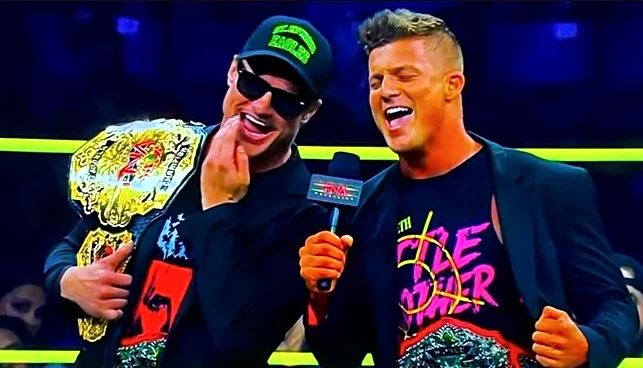
By Ash' that he was 'a little turned off by everything in wrestling in my personal life' after his contract expired. His exit from AEW was reportedly surrounded by controversy, including allegations of locker room harassment and a legal dispute involving CM Punk and Tony Khan. Nemeth considered retiring from the sport altogether and initially declined multiple offers from TNA. He eventually reconsidered when TNA presented a specific storyline involving him and his brother, Nic Nemeth, which appealed to his desire for meaningful character development rather than being 'cannon fodder.'
Why It's Important?
Ryan Nemeth's experience highlights the personal and professional challenges wrestlers can face within major promotions, particularly concerning locker room dynamics and creative control. His initial disillusionment with the industry, stemming from alleged controversies and a desire for more substantial roles, reflects a broader sentiment among some wrestlers seeking more fulfilling career paths. The fact that TNA's specific creative pitch, rather than just an offer, swayed him back into wrestling, underscores the importance of compelling storylines and character utilization for talent. This situation also sheds light on the competitive landscape between wrestling promotions, where companies like TNA are actively seeking to attract talent by offering more tailored and significant roles, potentially drawing individuals away from larger organizations like AEW if their creative needs are not met.
What's Next?
Nemeth's decision to join TNA based on a specific storyline suggests a potential trend where wrestlers prioritize creative satisfaction and meaningful roles over simply being part of a larger promotion. This could lead to other wrestlers evaluating their options more critically, potentially increasing talent movement between companies. For TNA, successfully integrating Nemeth and his brother into a compelling narrative could enhance their product and attract more viewers, demonstrating their ability to develop talent effectively. Conversely, other promotions might need to re-evaluate their talent management and creative strategies to prevent similar disillusionment and departures. The ongoing legal and personal issues mentioned by Nemeth also indicate that the wrestling industry continues to grapple with workplace environment challenges.
Beyond the Headlines
Nemeth's candid remarks about being 'turned off' by wrestling and his desire for more than just being 'cannon fodder' reveal the often-unseen pressures and frustrations experienced by professional athletes. It speaks to the human need for purpose and recognition in one's work, even in a highly theatrical and competitive field like wrestling. The allegations of locker room harassment and legal battles also point to the broader issues of workplace culture and accountability within entertainment industries. This situation encourages a deeper look into how wrestling promotions manage their talent, resolve internal conflicts, and foster environments where performers feel valued and creatively engaged, rather than merely being cogs in a larger machine. It also highlights the power of a compelling narrative in reigniting passion and commitment.