




What's Happening?
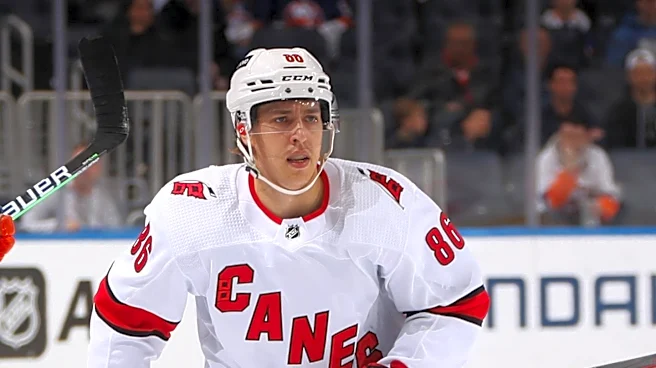
The Carolina Hurricanes attempted to secure the rights to negotiate with star defenseman John Carlson by trading a sixth-round pick to the Anaheim Ducks. This move was intended to give the Hurricanes an advantage in signing Carlson before he became a free
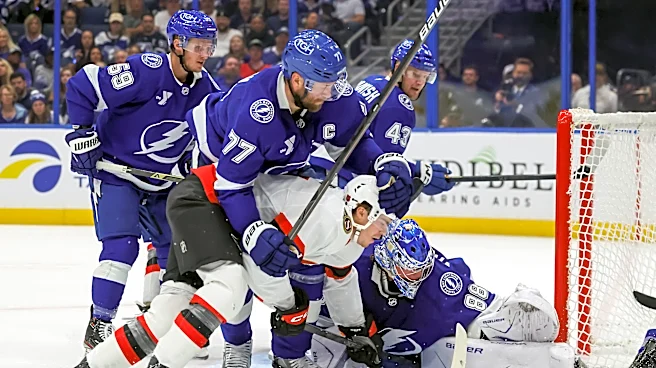
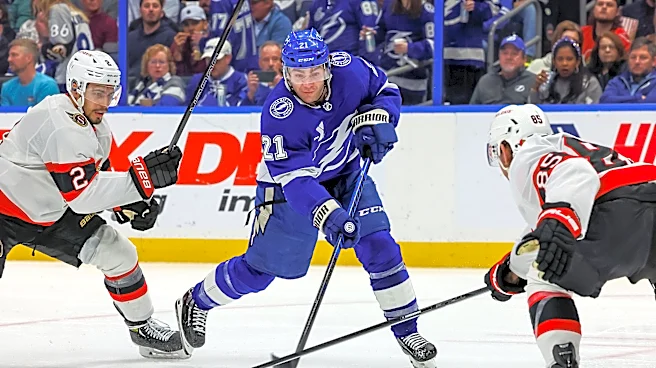
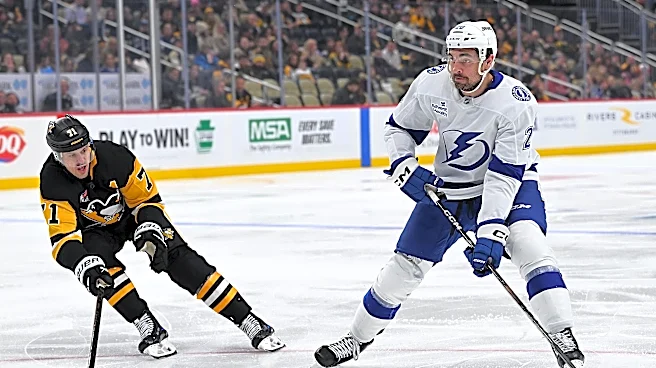
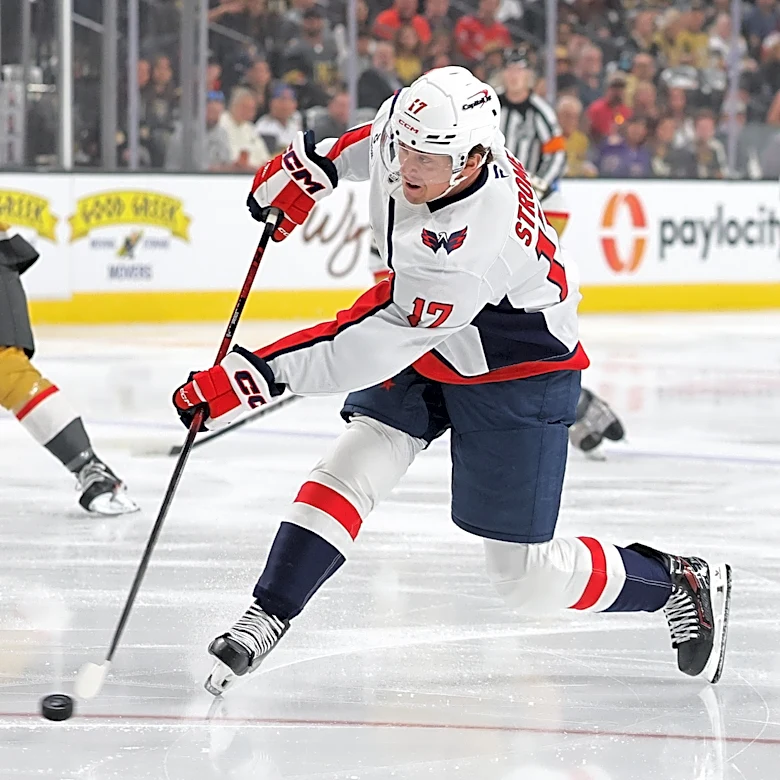
agent. However, despite acquiring his rights, the Hurricanes were unable to finalize a deal with Carlson. Instead, Carlson chose to sign with the Tampa Bay Lightning, agreeing to a two-year contract worth $17 million. This decision marks Carlson's return to the Eastern Conference, following his previous tenure with the Washington Capitals. The Hurricanes' strategy to secure Carlson's rights did not yield the desired outcome, as the Lightning ultimately succeeded in signing the player.
Why It's Important?
The failure of the Carolina Hurricanes to secure John Carlson highlights the challenges teams face in the competitive environment of NHL free agency. By losing Carlson to the Tampa Bay Lightning, the Hurricanes miss out on bolstering their defensive lineup with a seasoned player. This development could impact the Hurricanes' performance in the upcoming season, as they will need to explore other options to strengthen their defense. For the Lightning, acquiring Carlson is a significant gain, potentially enhancing their defensive capabilities and overall team performance. The transaction underscores the strategic maneuvers teams must undertake to attract top talent and the uncertainties involved in negotiating player contracts.
What's Next?
Following the unsuccessful attempt to sign John Carlson, the Carolina Hurricanes will need to reassess their strategy for strengthening their roster. They may explore other free agents or potential trades to fill the gap left by Carlson's decision. The team will likely focus on identifying alternative players who can contribute to their defensive lineup. Meanwhile, the Tampa Bay Lightning will integrate Carlson into their team dynamics, aiming to leverage his experience and skills to improve their defensive performance. The outcome of this transaction may influence future negotiations and strategies employed by NHL teams in securing player contracts.