


What's Happening?
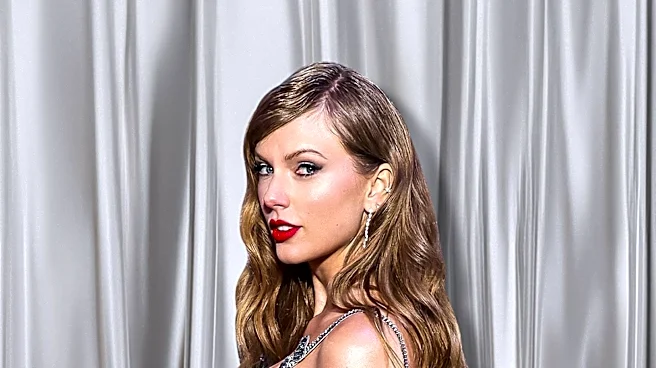
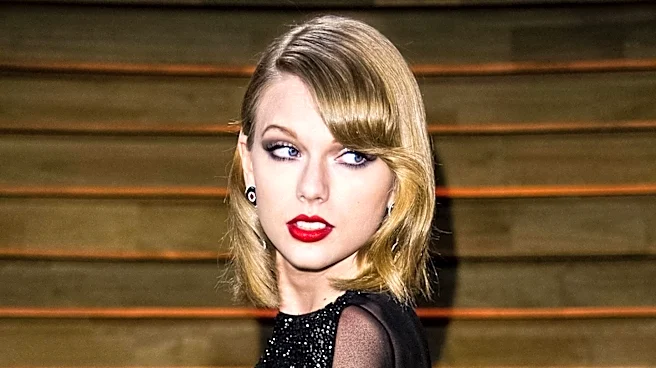
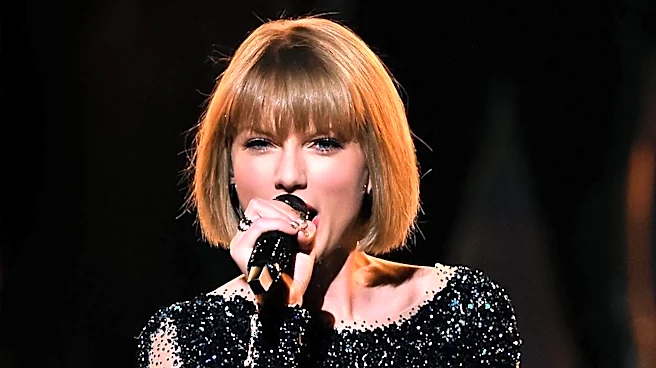
Vanity Fair recently published an extensive article on pop star Taylor Swift, referred to as 'the Star' throughout the piece. The expose, based on accounts from 100 individuals, details experiences with Swift, painting a picture of a 'cruel but somewhat
compelling' personality. The article scrutinizes the pop star's character and the machinery behind her public image, suggesting she is a manufactured product. It delves into aspects like her alleged vindictiveness, claims of being a bully, and the notion of faking her backstory. The piece also touches upon the contradictions of public celebrity and Swift's function within that framework, often highlighting what it describes as the 'casual meanness' of her character. While some points are considered petty grievances or speculation, the article's most significant claim revolves around the 'stolen valor' of her fabricated backstory.
Why It's Important?
This article is important as it contributes to the ongoing public discourse surrounding celebrity authenticity and the manufactured nature of pop stardom. For the entertainment industry, it highlights the scrutiny that high-profile figures face, particularly regarding their personal conduct versus their public persona. It could influence how the public perceives artists, potentially leading to a more critical view of celebrity narratives. For Swift's brand, such an expose, regardless of its factual accuracy, can impact her public image and fan base, especially if it reinforces existing criticisms or introduces new ones. The discussion around 'faking her backstory' touches on broader themes of authenticity in media and the expectations placed on public figures to maintain a consistent and genuine narrative, which can affect audience trust and engagement.
What's Next?
The immediate aftermath of such an expose often involves public debate and reactions from fans, critics, and potentially Swift's representatives. Social media platforms are likely to be a primary arena for these discussions, with fans defending Swift and critics amplifying the article's claims. The article could prompt other media outlets to further investigate or comment on the aspects raised, potentially leading to a prolonged discussion about Swift's character and career. While it's unlikely to immediately derail her career, it could influence future public relations strategies and how Swift chooses to present herself in upcoming projects or public appearances. The entertainment industry may also observe how this affects public perception of other artists and adjust their own strategies for managing celebrity images.
Beyond the Headlines
Beyond the immediate gossip, this article touches on deeper implications regarding the nature of celebrity in the digital age. It raises questions about the ethics of public scrutiny, the line between private life and public persona, and the responsibility of media outlets in shaping public opinion about individuals. The concept of 'stolen valor' in the context of a celebrity's personal narrative highlights a broader cultural expectation for authenticity, even when it comes to manufactured personas. This incident could contribute to a growing skepticism among audiences towards carefully curated celebrity images, potentially leading to a demand for more transparency from public figures. It also underscores the power dynamics within the entertainment industry, where narratives can be constructed and deconstructed, impacting careers and public perception significantly.