
What's Happening?
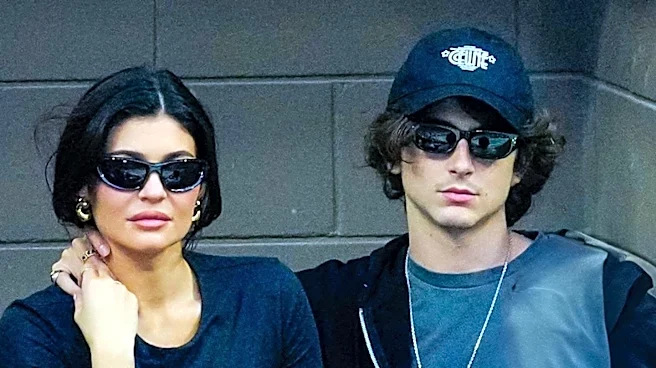
A viral claim circulating on social media platforms, particularly X, suggested that Kylie Jenner announced her engagement to actor Timothée Chalamet. The claim was based on a purported screenshot of an Instagram Story from Jenner, showing an engagement ring
with the text, 'Omg I'm so happy call me Mrs chalamet @tchalamet.' This screenshot was often accompanied by an AI-generated image of Chalamet carrying Jenner on his back and a caption stating they had been dating for three years and planned to marry by year-end. The post garnered hundreds of thousands of views, leading to significant fan speculation and excitement. However, a fact-check revealed that the claim is false. There are no credible reports from entertainment outlets or official statements from either Jenner or Chalamet to support the engagement. The account that initially posted the claim also identifies itself as 'satire' in its bio, and the accompanying image of the couple was confirmed to be AI-generated.
Why It's Important?
This incident highlights the pervasive issue of misinformation and the rapid spread of unverified claims on social media platforms. The viral nature of the engagement rumor, despite its lack of credible sourcing, demonstrates how easily fabricated content can be perceived as truth by a large audience. For public figures like Kylie Jenner and Timothée Chalamet, such false claims can lead to unnecessary public scrutiny and speculation about their personal lives. It also underscores the responsibility of social media users to critically evaluate information before sharing, and the need for platforms to implement more robust mechanisms for identifying and flagging misleading content. The quick debunking by fact-checkers is crucial in mitigating the impact of such rumors, but the initial widespread belief in the claim reveals a broader challenge in distinguishing authentic news from satire or AI-generated falsehoods.
What's Next?
While the immediate claim has been debunked, the broader trend of celebrity-related misinformation is likely to continue. Social media platforms may face ongoing pressure to develop more effective tools and policies to combat the spread of AI-generated content and satirical posts that are misinterpreted as factual. For public figures, this incident serves as a reminder of the constant need to manage their public image and potentially address false rumors, even if indirectly. Fans and the general public will need to remain vigilant and rely on reputable news sources for information, especially concerning the private lives of celebrities. The incident may also prompt further discussions within the entertainment industry about how to address and respond to viral, yet false, narratives.
Beyond the Headlines
The viral engagement hoax touches upon several deeper implications, including the evolving nature of celebrity culture and the blurring lines between reality and digital fabrication. The use of AI-generated images in conjunction with satirical claims creates a potent mix that can easily deceive, raising ethical questions about the responsible use of AI technology. This event also reflects a societal fascination with celebrity relationships, where rumors, even baseless ones, can generate significant public interest and engagement. The incident underscores the psychological impact of social media, where the desire for immediate information and connection can sometimes override critical thinking. It highlights a growing challenge for individuals to navigate an increasingly complex information landscape, where the authenticity of content is not always immediately apparent, and the distinction between entertainment and factual reporting can become dangerously muddled.