

What's Happening?
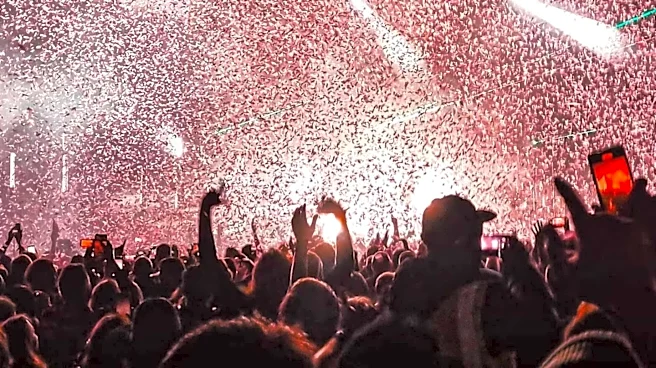
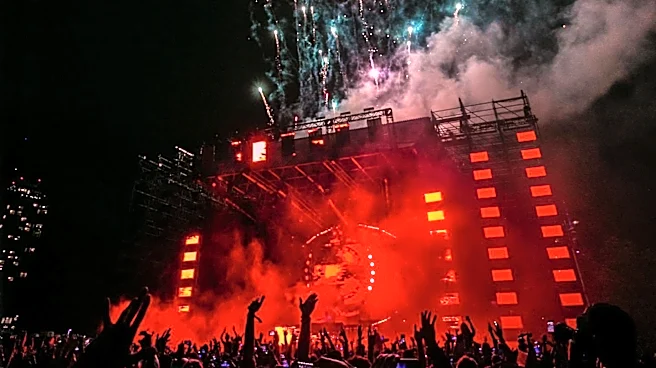
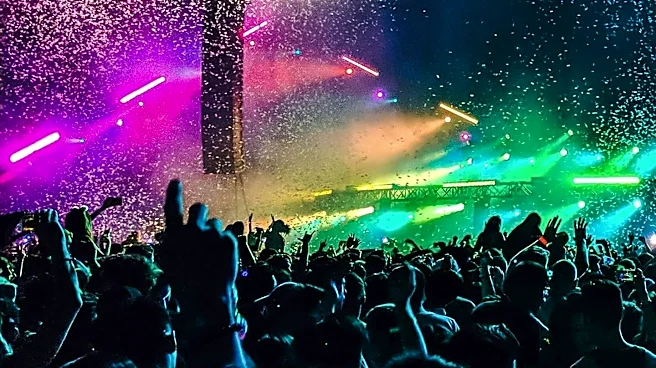
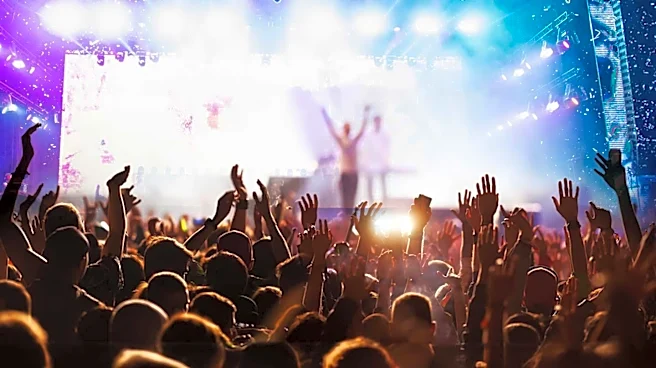
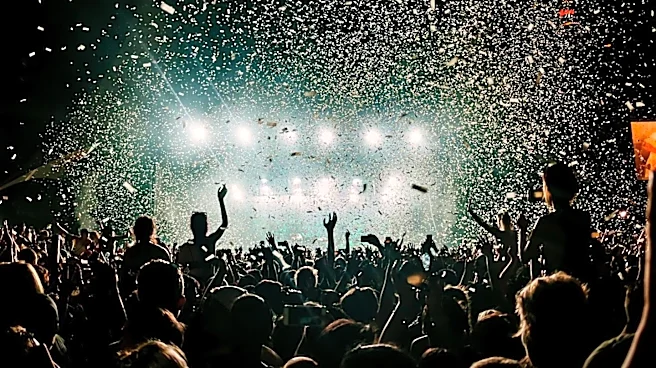
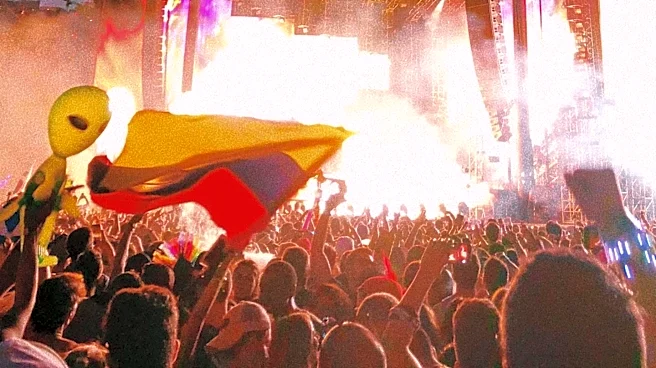
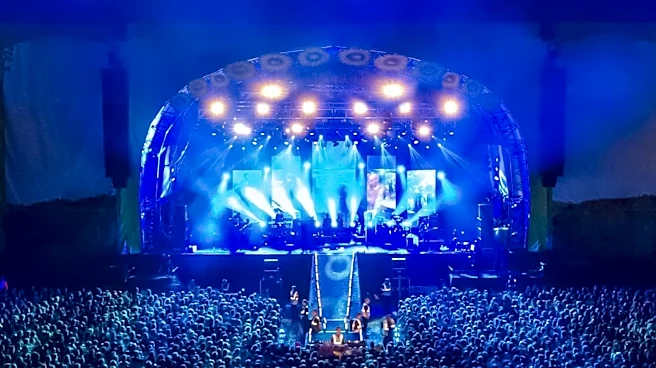
Lollapalooza 2026 showcased a wide array of performances, with artists receiving varied reviews. Notable acts included Little Simz, who performed at sunset, and CMAT, whose aesthetic was compared to Chappell Roan and Stevie Nicks. The festival featured
a mix of established and emerging artists, with performances graded mostly in the B range, indicating solid audience engagement. The event also highlighted the challenges of live performances, such as weather conditions and venue difficulties. Despite these challenges, the festival maintained its reputation as a significant cultural event, drawing large crowds and offering diverse musical experiences.
Why It's Important?
Lollapalooza remains a key event in the music industry, providing a platform for artists to reach large audiences and gain exposure. The festival's ability to attract a diverse lineup reflects its influence and the evolving tastes of music fans. For artists, performing at Lollapalooza can be a career-defining moment, offering opportunities for networking and collaboration. The event also contributes to the local economy, drawing visitors and generating revenue for businesses. As music festivals continue to adapt to changing consumer preferences, Lollapalooza's success underscores the enduring appeal of live music experiences.
What's Next?
Following Lollapalooza 2026, artists and organizers will likely evaluate the event's successes and areas for improvement. Future festivals may incorporate more digital elements, such as live streaming, to reach broader audiences. Additionally, there may be increased focus on sustainability and inclusivity, addressing environmental concerns and ensuring diverse representation. As the music industry continues to evolve, festivals like Lollapalooza will play a crucial role in shaping trends and providing a platform for innovation.