


What's Happening?
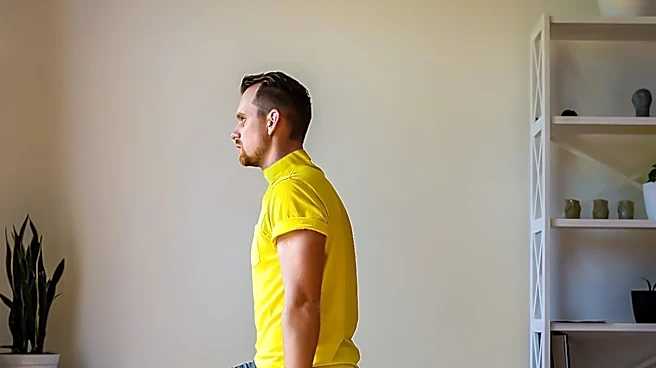
Jacqueline Hooton, a 63-year-old Physical Therapist and founder of Her Garden Gym, is advocating for standing marching core exercises as a beneficial fitness routine for post-menopausal women. Hooton emphasizes that these exercises offer significant functional
benefits, closely mimicking everyday movements such as walking, climbing stairs, and carrying groceries. She highlights their role in stabilizing the body through movement and improving balance, which becomes increasingly relevant with age. Unlike traditional floor-based core exercises like planks and crunches, which can sometimes lead to neck and back discomfort or be unsuitable for individuals with osteoporosis, standing core exercises provide a safer and more practical alternative. Hooton suggests incorporating variations of these exercises, starting with simpler forms like the suitcase march and progressing to more challenging ones such as the crossbody march, each performed for 30-40 seconds per side for multiple sets.
Why It's Important?
This recommendation is important for addressing the specific fitness needs of post-menopausal women, a demographic often overlooked in general exercise advice. As women age, they face increased risks of falls, reduced bone density, and decreased core stability. Standing marching core exercises directly target these issues by enhancing balance, coordination, and overall functional strength, which are crucial for maintaining independence and quality of life. By offering an alternative to potentially problematic exercises like crunches, Hooton's approach promotes a safer and more accessible path to core strength, especially for those with conditions like osteoporosis. The emphasis on functional movements ensures that the strength gained translates directly into improved performance of daily activities, thereby reducing the risk of injury and enhancing physical confidence in older adults.
What's Next?
The continued promotion of specialized exercise routines like Hooton's could lead to a broader adoption of functional fitness programs tailored for older adults and post-menopausal women. Fitness professionals and healthcare providers may increasingly integrate these types of standing core exercises into their recommendations, potentially influencing the development of new fitness classes and online resources. There could also be a greater focus on research into the long-term benefits of functional standing exercises for aging populations, further validating their efficacy. As awareness grows, more women may seek out these specific routines, leading to a shift in how fitness for older adults is perceived and practiced, moving towards more practical and injury-preventative methods.
Beyond the Headlines
Beyond the immediate physical benefits, the advocacy for standing core exercises for post-menopausal women touches upon broader societal implications regarding healthy aging and body positivity. It challenges the conventional narrative that intense, high-impact exercises are the only path to fitness, instead promoting a more inclusive and adaptable approach. This shift can empower older women to engage in physical activity without fear of injury, fostering a sense of agency over their health. Furthermore, by highlighting the importance of functional movement, it encourages a holistic view of fitness that prioritizes real-world capabilities over aesthetic ideals, potentially influencing product development in the fitness industry towards equipment and programs that support functional strength and balance for all ages.