







What's Happening?
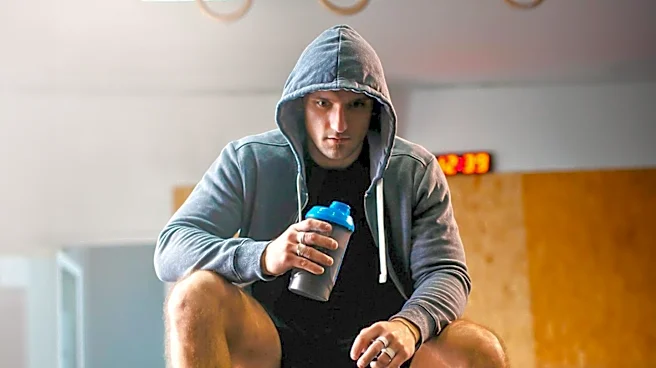
Bradley Martyn, a prominent fitness YouTuber based in Los Angeles, has converted his gym, Zoo Culture, into a dedicated content creation set. Martyn, who launched his main YouTube channel in August 2014 and boasts approximately 3.2 million subscribers
on YouTube and an additional 4 million on Instagram, uses the gym as the primary location for filming workouts and gym vlogs. These videos often feature other creators, including the Nelk Boys, Steve Will Do It, Alex Eubank, and the Tren Twins. The content format typically involves Martyn, described as a 'big guy in a hat,' leading guests through workout sessions, with the banter and interactions serving as a significant draw for viewers. Beyond workouts, the gym also hosts 'Raw Talk' podcast sessions with the same guests. A notable aspect of Martyn's content strategy is the inclusion of confrontations and recurring fights, such as the 'Stable Ronaldo slap' and a 'Logan Paul fight,' which have garnered significant attention and extended coverage from various online communities, even those not typically engaged with workout videos. This approach ensures that content generated at Zoo Culture often appears across multiple channels, amplifying its reach.
Why It's Important?
This development highlights a significant shift in how fitness businesses are leveraging digital platforms and influencer culture to expand their reach and generate revenue. By transforming a physical gym into a content studio, Bradley Martyn has created a multi-faceted business model that transcends traditional gym memberships. The integration of social media personalities and the emphasis on engaging, often confrontational, content attracts a broad audience, including those who might not otherwise be interested in fitness. This strategy not only promotes Martyn's personal brand but also drives traffic to his associated ventures, such as the Raw Talk podcast and the apparel brand Rawgear. The recurring fights and confrontations, while controversial, serve as a powerful engagement tool, demonstrating how 'drama' can be monetized within the online fitness community. This model could influence other fitness entrepreneurs to adopt similar strategies, blurring the lines between physical fitness spaces and digital entertainment platforms, and potentially reshaping the marketing and operational approaches within the fitness industry.
What's Next?
The success of Bradley Martyn's model suggests a potential trend where more fitness facilities might integrate content creation into their core operations. Other fitness influencers and gym owners may look to replicate this strategy, turning their gyms into hybrid spaces that serve both as traditional workout venues and as dynamic content sets. This could lead to an increase in collaborations between fitness personalities and a greater emphasis on producing viral, engaging content to attract and retain audiences. Brands in the supplements, gym equipment, apparel, and energy drink sectors are likely to continue seeking partnerships with creators like Martyn, recognizing the significant reach and influence they wield over their target demographics. However, brands will also need to carefully consider the 'energy' of such content, particularly the confrontational aspects, to ensure alignment with their brand image. The ongoing evolution of this model will likely involve exploring new content formats and platforms to maintain audience engagement and capitalize on emerging digital trends.
Beyond the Headlines
The phenomenon of Bradley Martyn's Zoo Culture reflects a broader cultural shift towards 'experiential' and 'influencer-driven' commerce. It underscores how personal brands, particularly in the fitness sector, are becoming central to business models, moving beyond mere product endorsement to creating entire ecosystems around a personality. This approach raises questions about the authenticity of interactions within these spaces, as the line between genuine gym culture and curated entertainment becomes increasingly blurred. The emphasis on confrontations and 'drama' also highlights a growing trend in online content where conflict can be a powerful driver of engagement, potentially influencing the types of interactions deemed acceptable or even desirable within these communities. Ethically, this model prompts consideration of the responsibilities of content creators in shaping public perceptions of fitness, competition, and interpersonal dynamics. It also showcases the power of user-generated content and the 'creator economy' in transforming traditional industries into dynamic, media-rich environments.