


What's Happening?
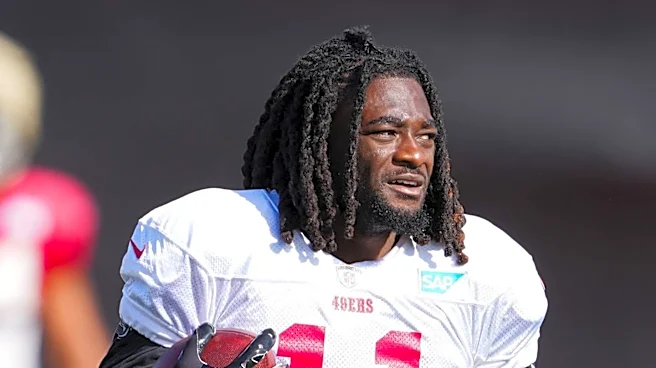
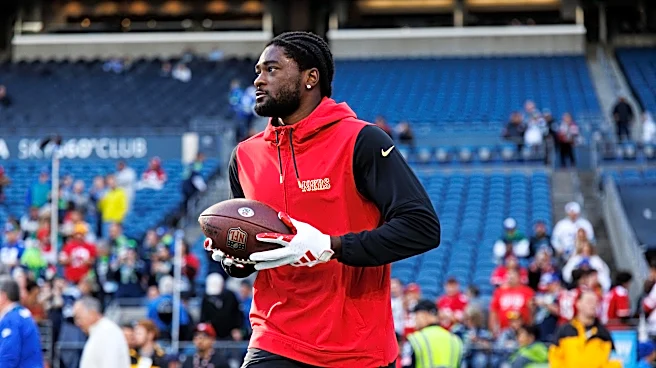
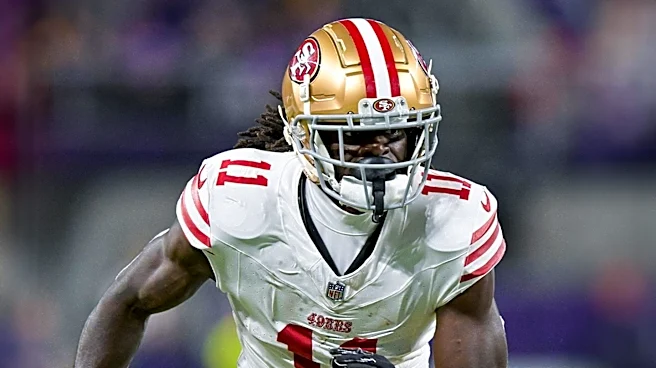
Brandon Aiyuk, a wide receiver for the San Francisco 49ers, has publicly criticized the NFL Players Association (NFLPA) through a social media post, accusing them of not acting in his best interests. This comes amid ongoing tensions between Aiyuk and the 49ers, as he seeks
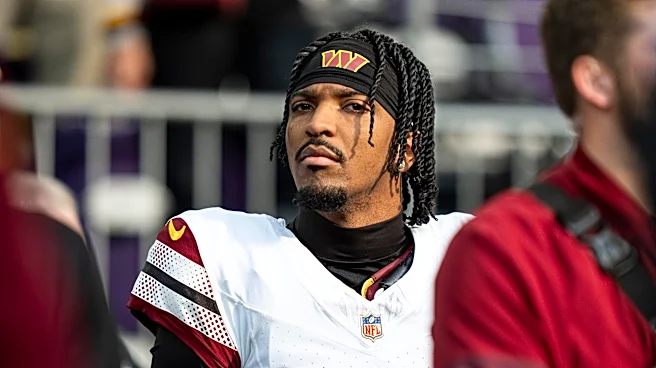
a trade to the Washington Commanders. Aiyuk's dissatisfaction stems from a series of events, including the voiding of his guaranteed money in a four-year, $120 million contract due to disagreements over his rehabilitation process following a severe knee injury. Aiyuk has since stopped attending team facilities and has been placed on the reserve/left team list by the 49ers. Despite his desire to move to Washington, the 49ers have little financial incentive to release him, as his current status benefits their salary cap situation.
Why It's Important?
The situation involving Brandon Aiyuk highlights the complex dynamics between players, teams, and the NFLPA. Aiyuk's public criticism of the NFLPA could influence other players' perceptions of the association's effectiveness in representing their interests. For the 49ers, retaining Aiyuk on the reserve list without financial penalty allows them to manage their salary cap more effectively, but it also risks creating a negative team environment. The potential trade to the Washington Commanders could impact both teams' rosters and strategies, depending on how the situation unfolds. This case underscores the broader issues of player management and contract negotiations in the NFL, which can have significant implications for team performance and player careers.
What's Next?
The next steps in this situation will likely involve further negotiations between Aiyuk, the 49ers, and potentially the NFLPA. Aiyuk's desire to join the Washington Commanders suggests that trade discussions could intensify, especially as the October 19 game between the two teams approaches. The 49ers may continue to evaluate their options, balancing the financial benefits of keeping Aiyuk on the reserve list against the potential disruption his dissatisfaction could cause. The NFLPA might also face pressure to address Aiyuk's concerns, which could lead to broader discussions about player representation and contract disputes within the league.