





What's Happening?
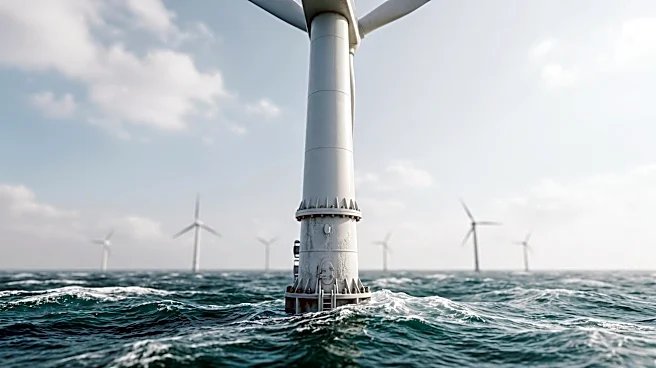
Ørsted, a Danish renewable energy group, is set to acquire full ownership of the Gunfleet Sands 1 & 2 Offshore Wind Farm located off the Essex coast in the UK. This move involves purchasing the remaining 49.9% stake from its investment partners for approximately
£15 million. The transaction is expected to finalize in November 2026, pending customary conditions. The Gunfleet Sands project, operational since 2010, has a capacity of 172 MW and generates enough renewable electricity to power over 125,000 UK homes annually. By exercising a long-standing buyback right, Ørsted will increase its ownership from 50.1% to 100%, gaining complete control over the wind farm's operations and future investment decisions. This acquisition is part of Ørsted's broader strategy to maximize the performance and long-term value of its operational assets in the UK offshore wind market.
Why It's Important?
This acquisition is significant for Ørsted as it consolidates its position in the UK's offshore wind industry, where it already operates 12 wind farms contributing approximately 7% of the national electricity demand. Full ownership of Gunfleet Sands 1 & 2 will provide Ørsted with greater flexibility in managing the asset, including assessing potential lifetime extensions and other late-life options. This is particularly relevant as the project is over 16 years old, and decisions regarding its continued operation, refurbishment, or eventual decommissioning are approaching. The ability to make unilateral decisions on such matters allows Ørsted to optimize the asset's economic value and align it more closely with its long-term strategic goals for renewable energy generation. This move also highlights the growing trend of energy companies seeking full control over their renewable assets to enhance operational efficiency and value capture.
What's Next?
The transaction is anticipated to close in November 2026, after which Ørsted will assume full operational and financial control of the Gunfleet Sands 1 & 2 Offshore Wind Farm. Following the acquisition, Ørsted is expected to conduct a thorough evaluation of the wind farm's future, including the feasibility and economic benefits of extending its operational life. While no formal decision on a lifespan extension has been announced, the company's increased control will facilitate such assessments. Ørsted has indicated that it will continue to evaluate similar opportunities across its portfolio, suggesting a potential trend of consolidating ownership in other assets based on their financial and operational merits. This strategy could lead to further acquisitions or buybacks as the company seeks to optimize its global renewable energy portfolio.
Beyond the Headlines
This move by Ørsted underscores a broader industry trend in the renewable energy sector, particularly concerning aging infrastructure. As some of Europe's earliest commercial offshore wind projects reach maturity, decisions about their long-term viability and economic value become critical. Full ownership allows companies like Ørsted to implement comprehensive strategies for asset management, including technological upgrades, maintenance schedules, and potential repowering, without the complexities of partnership agreements. This could set a precedent for how other developers manage their older assets, potentially leading to a wave of consolidation or strategic divestments in the coming years. The focus on maximizing the remaining economic value of these assets also highlights the evolving financial models and investment strategies within the renewable energy market, emphasizing long-term value creation and operational efficiency.