







What's Happening?
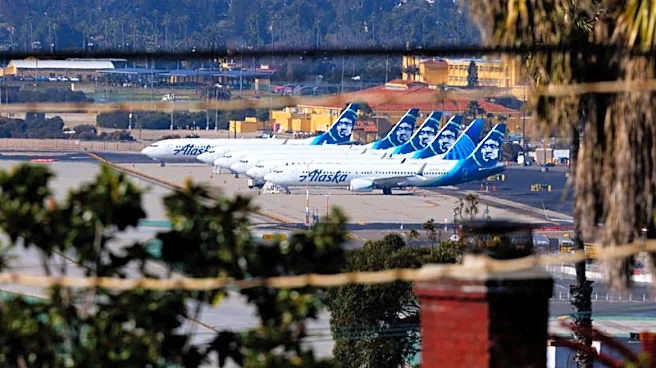
Alaska Air Group, which encompasses Alaska Airlines, Hawaiian Airlines, Horizon Air, and McGee Air Services, is laying off 200 employees. This decision comes as the company faces a projected nearly $700 million loss this year, primarily attributed to
high jet fuel prices and broader geopolitical pressures. The layoffs, impacting less than 1% of the company's 32,500-strong workforce, are exclusively non-union, back-office positions. This means pilots, flight attendants, airport guest services, and maintenance and engineering roles will not be affected. Of the 200 positions, 125 are based in Washington and 48 in Honolulu. CEO Ben Minicucci communicated to employees that this projected loss would be the company's first adjusted pretax loss since 2003, excluding the pandemic period. The company reported a $416 million loss in the first nine months of the year, a stark contrast to the $79 million profit in the same period last year. Affected employees are expected to have their last working day on November 13 but will continue to receive pay through December 31.
Why It's Important?
These layoffs by Alaska Air Group highlight the significant financial strain that volatile jet fuel prices and geopolitical factors are placing on the U.S. airline industry. The company's projected $700 million loss underscores the vulnerability of even major carriers to external economic pressures. This move signals a broader trend where airlines are forced to implement cost-cutting measures, including workforce reductions, to maintain financial stability. For the affected employees, primarily in back-office roles, the impact is direct and immediate, leading to job displacement. The decision to protect front-line operational staff like pilots and flight attendants suggests a strategic effort to maintain core service delivery while streamlining administrative overhead. This situation could also influence investor confidence in the airline sector, as evidenced by Alaska Air Group's stock being down 1.2% following the announcement, reflecting concerns about profitability in a challenging operating environment.
What's Next?
The immediate next step for Alaska Air Group involves supporting the 200 affected employees through their transition, with their last working day set for November 13 and continued pay through December 31. The company will likely continue to monitor jet fuel prices and global economic conditions closely, as these factors were cited as primary drivers for the layoffs. Executives had previously cautioned in September that the company might miss its long-term financial target of $1 billion in incremental profit and $10 earnings per share by 2027, largely due to fuel costs. This suggests that further strategic adjustments or cost-saving initiatives could be considered if the challenging operating environment persists. The airline industry as a whole will be watching how these pressures evolve, potentially leading other carriers to re-evaluate their staffing and operational strategies in response to similar financial headwinds.
Beyond the Headlines
The layoffs at Alaska Air Group, while a direct response to financial pressures, also reflect a deeper challenge within the airline industry: balancing long-term growth strategies with immediate economic realities. The company's 'Alaska Accelerate' expansion plan, which included new international routes and loyalty programs following its acquisition of Hawaiian Airlines, aimed for significant future profitability. However, the current economic climate, particularly the surge in jet fuel costs, has forced a pivot towards 'financial discipline' and overhead reduction. This situation raises questions about the sustainability of aggressive expansion plans in an unpredictable global economy. It also highlights the ongoing tension between shareholder expectations for growth and the need for operational resilience. The focus on non-union, back-office roles for layoffs suggests a strategic effort to minimize disruption to core flight operations and customer-facing services, indicating a prioritization of maintaining service quality amidst cost-cutting measures.