





What's Happening?
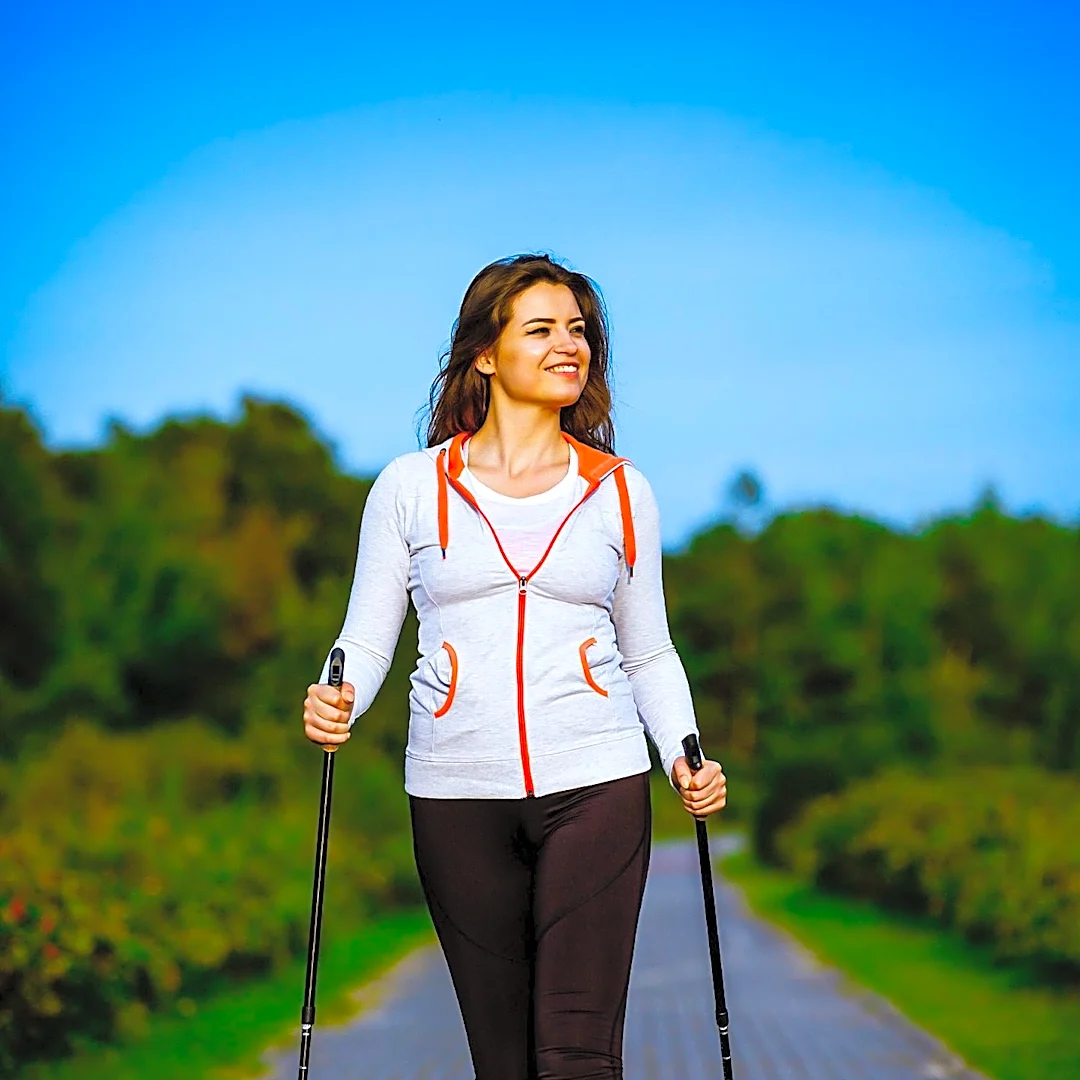
A new wellness trend, dubbed 'lymphatic walking,' is gaining popularity on social media platforms. This walking style involves intentional tweaks to regular walking, such as swinging arms, maintaining an upright posture, and taking deeper breaths, with
the aim of encouraging lymph flow throughout the body. Proponents of lymphatic walking claim it can lead to benefits like detoxing, debloating, a flatter stomach, and a stronger immune system. However, experts clarify that while walking does support the lymphatic system by relying on muscle contraction and movement to circulate lymph fluid, there is no clear evidence that 'lymphatic walking' offers superior benefits compared to regular walking. The lymphatic system, unlike the cardiovascular system, lacks a central pump and depends on physical activity to function effectively. The trend is essentially regular walking performed with more awareness and purpose, rather than a distinct new form of exercise.
Why It's Important?
The rise of 'lymphatic walking' highlights the significant influence of social media on public health and wellness trends in the U.S. While promoting physical activity, which is beneficial, the trend also underscores the potential for misinformation and exaggerated claims within the wellness industry. Consumers may be led to believe in 'miracle fixes' for complex health issues like weight loss or detoxification, which can divert them from evidence-based health practices. This trend is important because it encourages movement, but it also necessitates a critical approach to health information disseminated online. For individuals with underlying health conditions, particularly those with lymphedema or unexplained swelling, relying solely on social media trends without medical consultation could be detrimental. The emphasis on 'detox' and 'melting fat' without scientific backing can create unrealistic expectations and potentially lead to disappointment or unhealthy practices, impacting public trust in legitimate health advice.
What's Next?
As 'lymphatic walking' continues to circulate on social media, it is likely to prompt further discussions among health professionals and wellness advocates regarding the balance between promoting physical activity and ensuring accurate health information. Individuals interested in this trend are advised to focus on the core benefits of regular walking, such as improved circulation and overall well-being, rather than unproven claims. Healthcare providers may need to address patient inquiries about 'lymphatic walking' and guide them toward evidence-based exercise routines. The wellness industry might see more products or programs marketed under the 'lymphatic' umbrella, requiring consumers to be discerning. Ultimately, the trend serves as a reminder for both individuals and health communicators to prioritize scientific evidence and professional medical advice over viral social media fads, especially when it comes to health-related practices.
Beyond the Headlines
Beyond its immediate health claims, the 'lymphatic walking' trend reflects a broader cultural desire for simple, accessible solutions to complex health and body image concerns. In a society increasingly focused on quick fixes and aesthetic ideals, trends like this tap into a yearning for effortless self-improvement. The emphasis on 'detoxing' and 'debloating' speaks to prevalent anxieties about internal purity and physical appearance, often fueled by marketing and social media. This phenomenon also highlights the challenge of distinguishing between genuine health advice and marketing hype in the digital age. It underscores the need for greater health literacy among the public and for social media platforms to consider their role in amplifying potentially misleading health information. The trend, while benign in its encouragement of walking, serves as a microcosm of how wellness culture can both empower and misguide individuals in their pursuit of health.