





What's Happening?
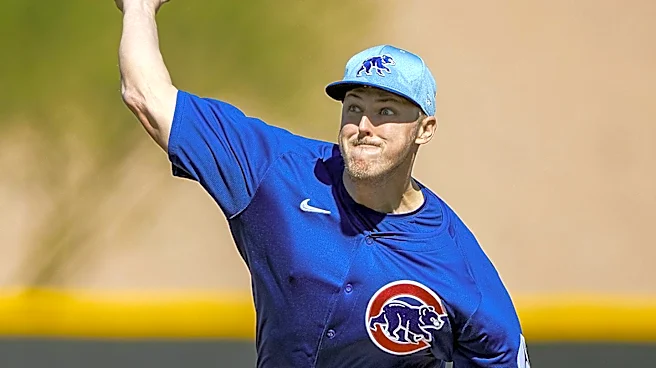
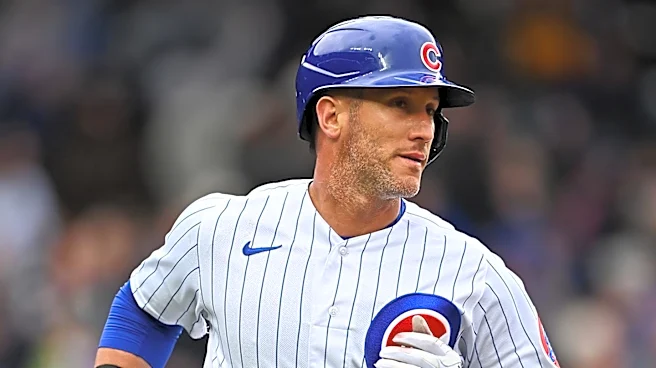
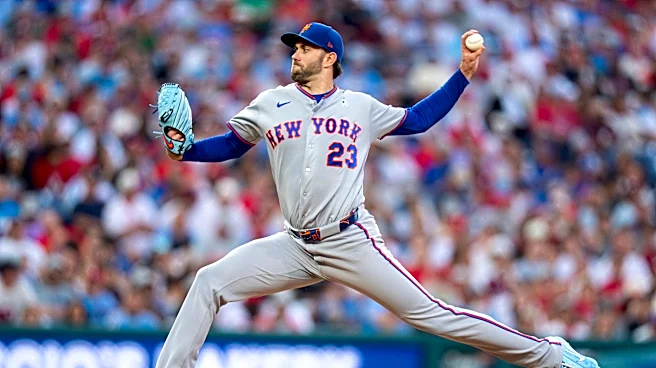
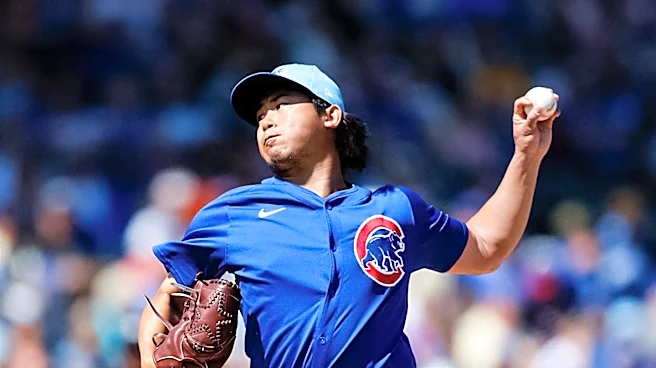
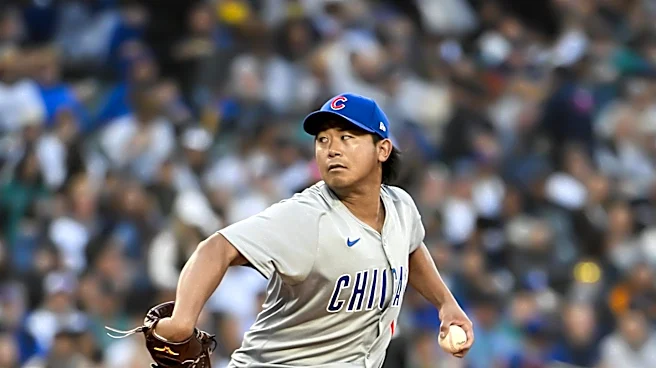
The Chicago Cubs have completed a trade with the New York Mets to acquire left-handed pitcher David Peterson. This move comes as the Cubs aim to strengthen their pitching rotation, which has been plagued by injuries throughout the season. Peterson, a 30-year-old
pitcher originally drafted by the Mets in 2017, brings experience to the Cubs' roster. Despite a challenging season with a 6.09 ERA, Peterson's career record stands at 40-36 with a 4.31 ERA. The Cubs' decision to trade for Peterson is driven by the need for a reliable arm, especially after injuries to key pitchers like Edward Cabrera and Justin Steele. The acquisition is seen as a strategic move to maintain competitiveness in the current season.
Why It's Important?
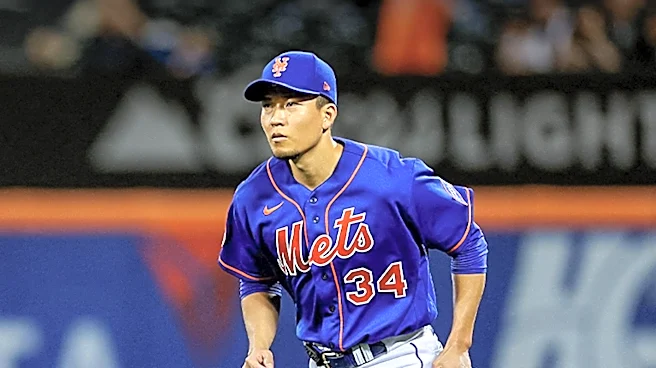
The acquisition of David Peterson is significant for the Chicago Cubs as it addresses a critical need in their pitching lineup. With multiple injuries affecting their starting pitchers, the Cubs have struggled to maintain a consistent rotation. By bringing in Peterson, the team hopes to stabilize their pitching staff and enhance their chances of success in the ongoing season. This trade reflects the Cubs' commitment to remaining competitive and not conceding the season despite the challenges faced. For the Mets, trading Peterson could be part of a broader strategy to reconfigure their roster, potentially focusing on long-term development or other strategic acquisitions.
What's Next?
Following the trade, the Chicago Cubs will integrate David Peterson into their pitching rotation, assessing his performance and potential impact on the team's success. The Cubs' management will likely monitor Peterson's health and effectiveness closely, given his recent struggles. For the Mets, this trade may signal further roster adjustments as they evaluate their season's direction and future strategies. Both teams will continue to navigate the challenges of maintaining competitive rosters amid injuries and performance fluctuations.