



What's Happening?
The U.S. Department of Commerce (DOC) has announced its final decision to keep anti-dumping (AD) and countervailing (CVD) duties on oil country tubular goods (OCTG) from Ukraine in place. This decision follows a sunset review of the duties, which also
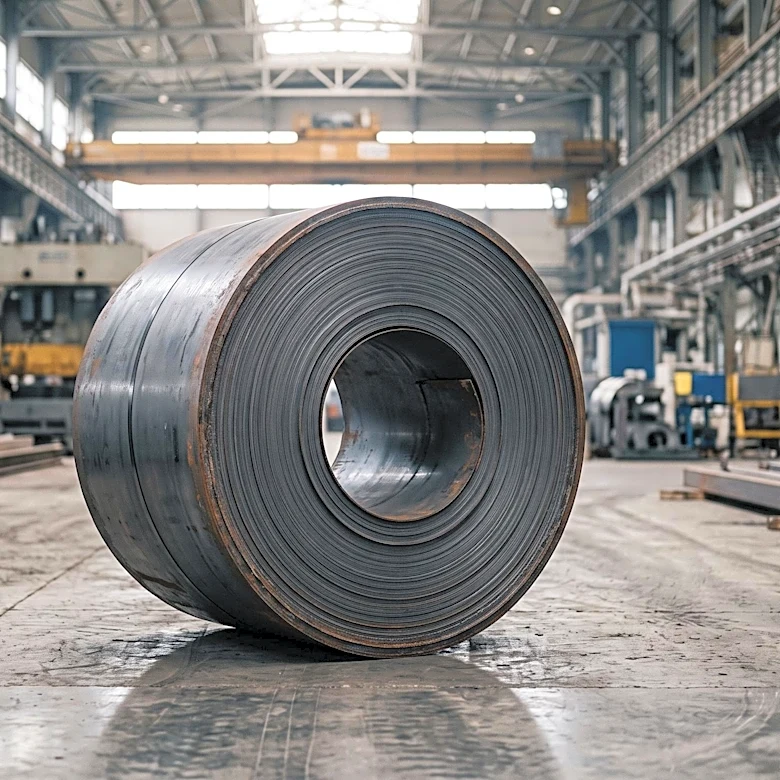
confirmed the continuation of similar measures against OCTG pipes from India, South Korea, Turkey, and Vietnam. The DOC and the U.S. International Trade Commission (ITC) concluded that revoking these restrictive measures would likely lead to the continuation or recurrence of dumping, subsidization, and material injury to the U.S. industry. For Ukrainian pipes, the duty for Interpipe Group remains at 1.39%, while for other producers, it is 7.47%. These duties were initially introduced in July 2019 after the termination of an agreement that had suspended the investigation. The restrictions apply to seamless and welded casing and tubing made of carbon and alloy steel, used in oil and gas wells, regardless of their finish or conformity to American Petroleum Institute (API) specifications.
Why It's Important?
The decision to maintain anti-dumping duties on Ukrainian OCTG pipes is important for the U.S. domestic steel industry, particularly producers of oil and gas well components. These duties are designed to protect U.S. manufacturers from unfair competition arising from imported goods sold at prices below their fair market value (dumping) or subsidized by foreign governments (countervailing). By keeping these duties in place, the U.S. government aims to ensure a level playing field for its domestic industry, preventing potential job losses and economic harm. For Ukrainian producers, this means continued challenges in accessing the U.S. market, which could impact their export revenues and production strategies. The broader context of these duties reflects the U.S.'s commitment to enforcing trade laws and addressing practices deemed detrimental to its national industries. This action also signals to other countries that the U.S. will continue to use trade remedies to safeguard its economic interests, particularly in strategic sectors like energy infrastructure.
What's Next?
With the anti-dumping and countervailing duties remaining in place, Ukrainian OCTG pipe producers, along with those from India, South Korea, Turkey, and Vietnam, will continue to face tariffs when exporting to the U.S. market. This will likely necessitate adjustments in their pricing strategies or a focus on alternative markets. For the U.S. domestic OCTG industry, the continuation of these duties provides ongoing protection against what the DOC and ITC have determined to be unfair trade practices. The next review of these duties would typically occur in another five years, as part of the sunset review process, unless circumstances warrant an earlier review. Importers and distributors of OCTG pipes in the U.S. will need to factor these duties into their procurement costs and supply chain management. The decision reinforces the U.S.'s stance on trade enforcement and its commitment to supporting domestic manufacturing in critical sectors.
Beyond the Headlines
The maintenance of anti-dumping duties on Ukrainian OCTG pipes, despite the broader geopolitical context, highlights the U.S.'s consistent application of its trade laws. While the U.S. has provided significant support to Ukraine in other areas, trade policy decisions are often made based on specific economic criteria related to fair competition and domestic industry protection. This situation underscores the distinction between geopolitical alliances and trade enforcement mechanisms. The decision also reflects the ongoing global challenge of balancing free trade principles with the need to protect domestic industries from practices perceived as unfair. The long-term implications could include a continued push for diversification of supply chains by U.S. energy companies to mitigate risks associated with tariffs and trade disputes. Furthermore, it reinforces the importance of international trade rules and the mechanisms in place to address dumping and subsidies, even when dealing with allied nations. The ethical consideration revolves around ensuring that trade remedies are applied fairly and transparently, based on objective economic analysis, rather than being influenced by political considerations.