




What's Happening?
Parents looking to introduce their children to golf or help them advance in the sport are advised to prioritize proper equipment fitting and quality instruction. The article emphasizes that junior clubs should be sized based on a child's height, not age,
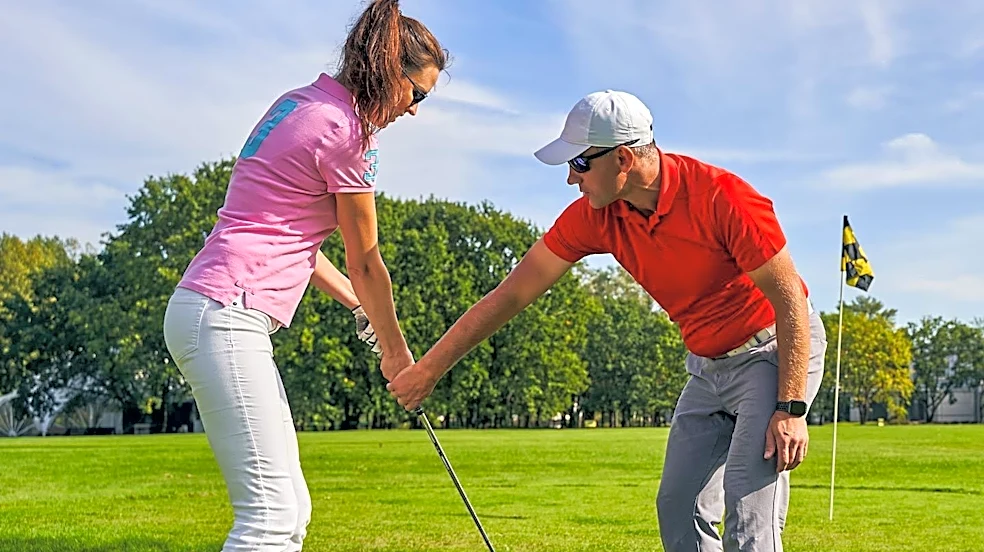
and warns against using adult clubs cut down for children. Such modifications can make clubs too heavy and stiff, potentially leading to poor swing techniques, compensatory movements, and even injury. Companies like US Kids Golf and PING are highlighted for providing junior equipment that focuses on correct fitting. Additionally, parents are encouraged to seek out instructors with a strong reputation for working with juniors and who offer engaging, challenging development programs. Organizations like Operation 36 and US Kids Golf maintain lists of certified instructors, reflecting advancements in junior golf coaching over the past decade.
Why It's Important?
The proper introduction to golf for children has significant implications for their long-term development in the sport and their physical well-being. Incorrectly sized equipment can instill bad habits that are difficult to correct later, potentially hindering a child's progress and enjoyment. More critically, it can lead to pain and injury, discouraging continued participation. The emphasis on specialized junior instruction underscores the recognition that coaching methods for children differ from those for adults, focusing on age-appropriate development and engagement. This approach helps foster a positive relationship with the sport, potentially leading to greater retention and success among young golfers. For the golf industry, promoting proper junior development can expand the player base and ensure a healthy future for the sport.
What's Next?
Parents are advised to conduct thorough research when selecting golf instruction and programs for their children, trying out different options to find the best fit. Once an instructor and program are chosen, parents should trust the experts and participate in educational opportunities offered, such as rules tutorials and parent meetings. The article cautions against relying solely on unverified information from sources like YouTube or social media forums, as conflicting advice can undermine the developmental roadmap established by qualified instructors. The long-term focus should be on development rather than immediate gratification, with coaches often educating both the child and the parents to ensure a consistent and supportive learning environment.
Beyond the Headlines
The guidance provided extends beyond golf, touching on broader principles of youth sports development. The article implicitly critiques the trend of early specialization and the pressure for instant gratification often seen in competitive youth sports. By advocating for equipment tailored to physical development and instruction focused on long-term growth, it promotes a healthier, more sustainable model for children's athletic pursuits. This approach can help mitigate issues like burnout and overuse injuries, which are common in youth sports where children are pushed too hard too soon. The comparison of junior golf programming to the evolving role of physical education in schools also highlights a societal shift where specialized sports programs are increasingly filling gaps in general physical development.