



What's Happening?
Rio Tinto (NYSE:RIO) is highlighted as a significant source of passive income for investors, with a trailing 12-month yield of 6.26%. An investment of $30,000 in Rio Tinto shares could generate approximately $1,879 in annual passive income. The company
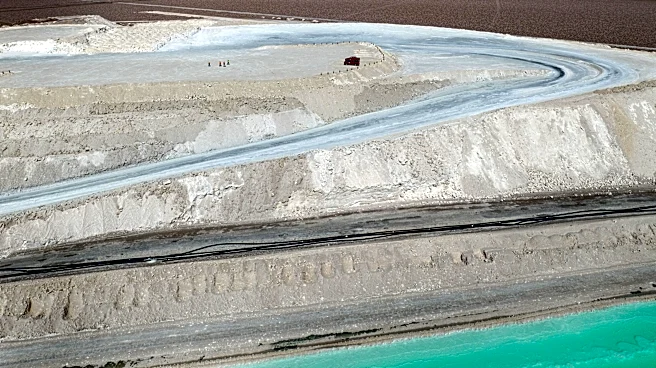
operates extensive mining assets, including the Pilbara iron ore mines in Western Australia, the Oyu Tolgoi copper mine in Mongolia, and Kennecott in Utah, in addition to aluminum and lithium operations. Rio Tinto's Simandou iron ore project in Guinea began its first high-grade sales in April 2026. The company's board targets total cash returns of 40% to 60% of underlying earnings, maintaining a 60% payout ratio in 2025 for the tenth consecutive year. However, the company's shares have experienced a 15.76% drop over the past month, reflecting the inherent volatility tied to commodity prices, particularly iron ore, which feeds Chinese steelmakers.
Why It's Important?
For U.S. investors seeking passive income, Rio Tinto's high dividend yield presents an attractive option, especially when combined with other mining companies like BHP Group and Vale to achieve a blended yield. However, the direct correlation between dividend payouts and fluctuating commodity prices introduces a significant element of risk. The company's extensive global operations, including key iron ore and copper mines, position it as a critical supplier to global industries, making its financial health indicative of broader economic trends. The recent decline in share price underscores the sensitivity of mining stocks to market sentiment and global demand shifts. Investors must weigh the potential for substantial passive income against the volatility inherent in the commodity markets, which can lead to unpredictable dividend amounts year-to-year.
What's Next?
The future income potential from Rio Tinto will largely depend on the stability and growth of global commodity prices, particularly for iron ore and copper. Investors should monitor global economic indicators, especially those related to industrial production and infrastructure development in key markets like China, as these directly influence demand for Rio Tinto's products. The company's ability to manage operational costs and expand production from projects like Simandou will also be crucial for sustaining its dividend policy. Any changes in global trade policies or supply chain disruptions could impact commodity prices and, consequently, the company's profitability and dividend payouts. The ongoing commitment to a high payout ratio suggests that shareholder returns will remain a priority, but these returns will continue to be subject to market fluctuations.
Beyond the Headlines
The investment in mining companies like Rio Tinto offers a window into the foundational elements of the global economy. The copper and iron ore extracted by these companies are essential for everything from wiring and appliances to large-scale infrastructure projects. This makes Rio Tinto not just a financial asset but a key player in the physical development of the modern world. The environmental and social impact of such large-scale mining operations is a growing concern, influencing investment decisions and corporate governance. The sustainability practices of these companies, their engagement with local communities, and their adherence to international labor and environmental standards are increasingly scrutinized. For investors, understanding these broader implications is vital for a comprehensive assessment of the long-term value and ethical standing of their investments.