
What's Happening?
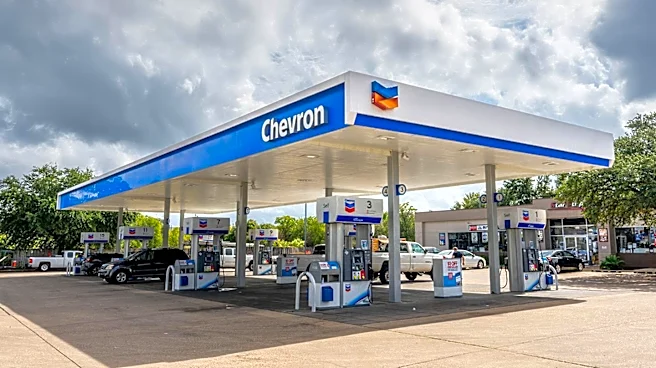
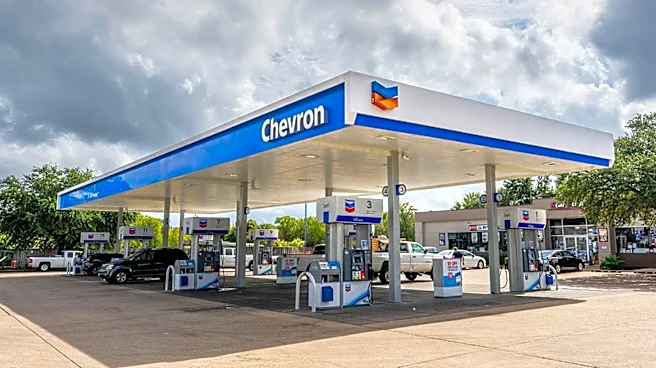
Chevron U.S.A. Inc. has announced its intention to resume operations at its biodiesel production facility located in Ralston, Iowa. This decision comes after the facility was idled in 2024 due to a downturn
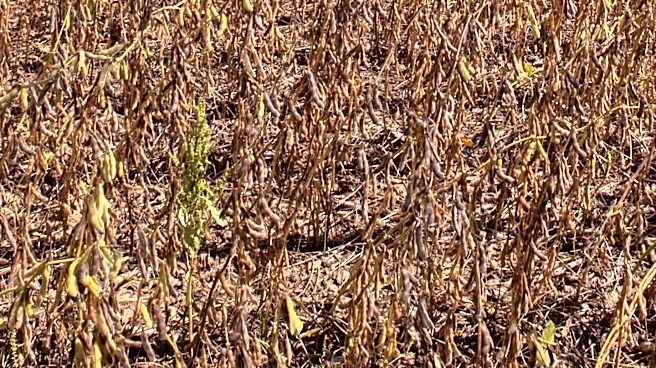
in the biodiesel market. The restart is facilitated by a new feedstock supply agreement with Landus Cooperative, an Iowa-based agricultural cooperative. The Ralston plant boasts an annual production capacity of nearly 42 million gallons of biodiesel. Under the new agreement, the facility will source its feedstock from Landus’ adjacent soybean processing facility, which processes over 28 million bushels of soybeans annually. The restart will occur in stages, beginning with staffing, maintenance, and safety preparations before production officially resumes. Eric Heismeyer, president and CEO of Landus, expressed pride in the collaboration, highlighting its importance for increasing market access for their farmer owners.
Why It's Important?
The restart of Chevron's biodiesel facility in Ralston, Iowa, signifies a positive development for the renewable energy sector and the agricultural economy in the region. For Iowa farmers, the partnership with Landus Cooperative and Chevron provides a stable and significant market for their soybean crops, potentially boosting local agricultural revenues. The increased demand for soybeans as feedstock for biodiesel production could also lead to more stable or improved prices for farmers. Furthermore, the resumption of operations is expected to create new employment and contracting opportunities within the Ralston community, contributing to local economic growth. This move by Chevron also underscores a renewed commitment to renewable fuels, potentially signaling a more favorable outlook for the biodiesel market after its previous downturn. It demonstrates how strategic partnerships between energy companies and agricultural cooperatives can drive sustainable economic activity and support the transition to cleaner energy sources.
What's Next?
Chevron plans to restart the Ralston biodiesel facility in a phased approach. The immediate next steps involve staffing the facility, conducting necessary maintenance, and ensuring all safety preparations are complete before production can commence. While the exact timing and scope of these employment and contracting opportunities have not yet been determined, the announcement indicates a future increase in local job availability. The long-term success of this venture will depend on the stability of the biodiesel market and the continued strength of the partnership between Chevron and Landus Cooperative. Monitoring the efficiency of feedstock supply from Landus's soybean processing facility and the market's reception of the renewed biodiesel output will be crucial. This restart could also serve as a model for similar collaborations in other agricultural regions looking to integrate renewable energy production with local farming economies.
Beyond the Headlines
This initiative by Chevron and Landus Cooperative extends beyond a simple business restart; it highlights the evolving landscape of energy production and agricultural sustainability in the U.S. The collaboration exemplifies a growing trend where traditional energy companies are investing in renewable fuel sources, often by partnering with agricultural entities. This integration can create a more resilient supply chain for biofuels, linking agricultural output directly to energy production. Ethically, it supports the concept of a circular economy by utilizing agricultural byproducts for energy, reducing waste, and potentially lowering carbon footprints. Legally, such partnerships may benefit from existing or future government incentives for renewable energy production and sustainable agriculture. Culturally, it reinforces the idea that rural agricultural communities can play a vital role in the nation's energy future, fostering economic diversification and innovation in regions traditionally focused on food production.