





What's Happening?
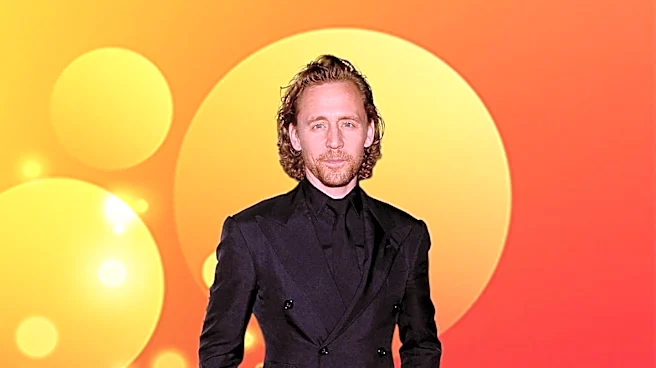
During his acceptance speech for a Golden Globe award in 2016 for his role in 'The Night Manager,' Tom Hiddleston recounted meeting Doctors Without Borders volunteers in South Sudan who were fans of the show. He expressed pride that their work could provide
'some relief and entertainment for people…who are fixing the world in the places where it is broken.' This comment drew significant criticism, with many perceiving it as 'self-righteous' and trivializing the severe conflict in South Sudan. The following day, Hiddleston issued an apology on Facebook, stating his comment was 'inelegantly expressed' and clarifying that his 'only intention' was 'to salute [the healthcare workers'] incredible bravery and courage.'
Why It's Important?
This incident highlights the delicate balance public figures must maintain when addressing sensitive global issues, even with seemingly good intentions. Hiddleston's experience demonstrates how quickly public perception can turn negative if comments are perceived as out of touch or dismissive of serious humanitarian crises. For celebrities, such missteps can lead to reputational damage and calls for accountability, impacting their public image and potentially their professional opportunities. It also underscores the broader societal expectation for public figures to be mindful of the context and implications of their statements, particularly when discussing regions experiencing conflict and suffering. The swift backlash and subsequent apology reflect the immediate and widespread nature of public scrutiny in the digital age.
What's Next?
While Hiddleston issued an apology, the incident serves as a cautionary tale for other public figures. Moving forward, celebrities and their public relations teams are likely to exercise increased caution and sensitivity when discussing global humanitarian issues. The event may also contribute to a broader conversation within the entertainment industry about how to responsibly engage with and raise awareness for international crises without inadvertently causing offense or trivializing suffering. For Hiddleston, the apology aimed to mitigate long-term negative impacts on his career and public standing, emphasizing the importance of quick and sincere responses to public criticism.
Beyond the Headlines
The incident touches upon the ethical responsibility of celebrities who leverage their platforms to comment on global events. While Hiddleston's intention was to commend aid workers, the public reaction revealed a sensitivity to how privilege and suffering are discussed. This points to a broader cultural expectation that those in positions of influence should not only be well-intentioned but also well-informed and articulate when addressing complex global issues. The swift and widespread criticism, facilitated by social media, also underscores the power of public opinion in shaping narratives and holding public figures accountable, even for seemingly minor missteps in communication.