




What's Happening?
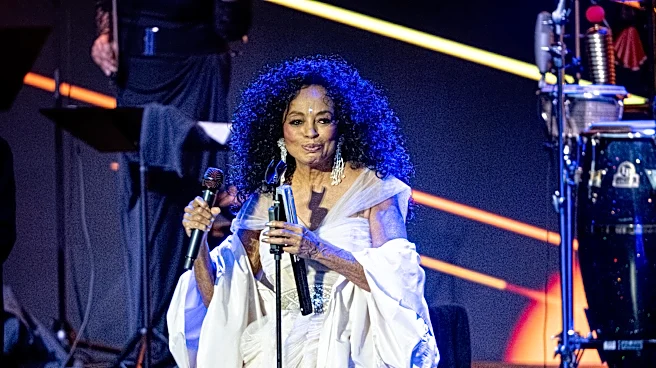
Jocelyn Lorette Brown, born in Kinston, North Carolina, on November 25, 1950, is being celebrated on her 76th birthday. Brown is recognized for her powerful vocals, which have significantly influenced soul, disco, and house music. While she is known for her 1984
solo hit, “Somebody Else’s Guy,” which reached No. 2 on the U.S. soul chart, her voice has been a staple on numerous disco classics. These include Musique’s 1978 chart-topping dance hit “Keep On Jumpin’” and Inner Life’s 1981 standard “Ain’t No Mountain High Enough.” Brown also contributed to songs by artists such as Bruce Springsteen and John Lennon. Her musical journey began in gospel choirs in Brooklyn and as a soloist in her uncle’s church in Washington, D.C., where she developed her distinctive vocal style.
Why It's Important?
Jocelyn Brown's career underscores the significant, often behind-the-scenes, contributions of vocalists to the evolution of American music genres. Her transition from gospel to secular music in the 1970s, and her subsequent work as an in-demand background vocalist for artists like Diana Ross and Roberta Flack, highlights her versatility and influence. Her solo success with “Somebody Else’s Guy” and her role in popular dance groups like Musique and Inner Life demonstrate her impact on the disco and early house music scenes. The enduring legacy of her vocal line, “I’ve got the power!” from her 1985 hit “Love’s Gonna Get You,” which became the foundation for Snap!’s 1990 global smash “The Power,” illustrates how her contributions have shaped and defined multiple musical eras, influencing subsequent generations of artists and dance music culture in the U.S. and internationally.
Beyond the Headlines
Jocelyn Brown's career trajectory from gospel to mainstream music reflects a broader trend in American music where artists often cross genre boundaries, enriching the soundscape with diverse influences. Her ability to blend soul, gospel, disco, and house into her unique vocal style showcases the fluidity of musical genres and the power of individual artistry to transcend categories. Her work as a background vocalist, often uncredited but essential, also sheds light on the collaborative nature of music production and the vital role played by session musicians and vocalists in creating iconic tracks. Her enduring presence in dance music, with 23 singles hitting the UK charts, eight of which cracked the Top 20, speaks to the global reach and lasting appeal of American musical talent and innovation.