



What's Happening?
Cheryl Tiegs, a prominent figure in fashion, continues to advocate for fitness and an active lifestyle as she approaches 80. She attributes her sustained independence and quality of life to consistent physical activity and time spent outdoors. Tiegs emphasizes
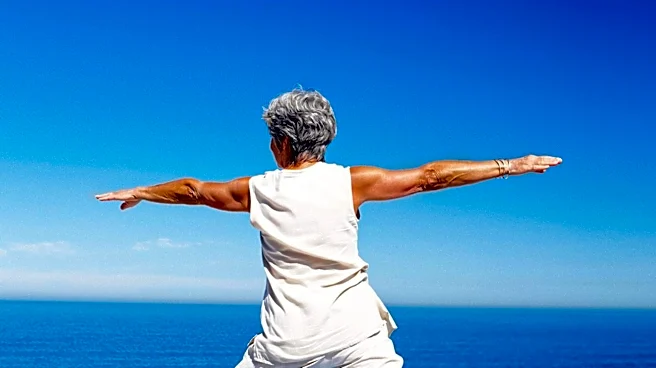
that maintaining health as one ages requires a conscious daily effort, including proper nutrition and regular exercise. She advises incorporating some form of exercise into daily life, even if routines need to be modified with age. Her current regimen includes walking outdoors and hiking, which she finds restorative. In previous decades, Tiegs practiced yoga three times a week, hiked every other day, and engaged in a weekly routine of yoga, weight training, and cardio. Beyond physical health, she also prioritizes emotional well-being through activities like reading and surrounding herself with positive influences.
Why It's Important?
Cheryl Tiegs' continued emphasis on an active lifestyle and conscious health management highlights a growing societal focus on longevity and quality of life in older age. Her public stance reinforces the idea that proactive health measures, rather than reactive ones, are crucial for maintaining independence and well-being. This perspective can influence public perception and encourage individuals to adopt healthier habits earlier in life. For the wellness industry, figures like Tiegs serve as powerful advocates, potentially driving interest in fitness programs, outdoor activities, and holistic health approaches tailored for an aging population. Her message underscores the importance of adapting exercise routines to individual capabilities as one ages, promoting a sustainable approach to fitness that can inspire many to prioritize their long-term health.
What's Next?
The continued public discourse from figures like Cheryl Tiegs is likely to further popularize the concept of 'active aging' and holistic wellness. This could lead to increased demand for age-appropriate fitness programs, outdoor recreational activities, and wellness retreats that cater to older adults. Health and fitness brands may leverage such endorsements to promote products and services that support longevity and active lifestyles. Additionally, there may be a greater emphasis on integrating mental and emotional well-being into overall health strategies, as Tiegs highlights. This trend could also encourage healthcare providers and policymakers to promote preventive health measures and accessible fitness options for the aging population, fostering a more health-conscious society.
Beyond the Headlines
Cheryl Tiegs' narrative extends beyond simple fitness advice; it touches upon broader cultural shifts regarding aging and self-perception. Her continued visibility and advocacy challenge traditional notions of aging, promoting a more vibrant and engaged view of later life. This can have significant psychological impacts, encouraging older individuals to remain active participants in society and to prioritize their well-being. Ethically, her message promotes self-care and personal responsibility for health, which can empower individuals but also raise questions about societal support systems for those who may lack the resources for such a lifestyle. Culturally, it reinforces the value placed on vitality and independence, potentially influencing how society views and supports its aging members.