









What's Happening?
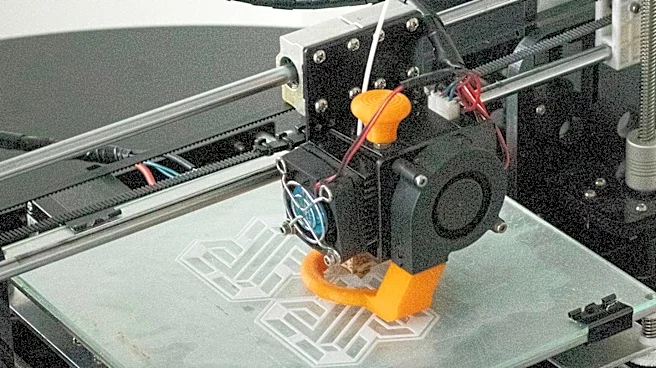
Researchers have made significant progress in developing microfluidic artificial lungs using hybrid additive manufacturing techniques. The new devices utilize sacrificial isomalt scaffolds and gas exchange membranes to enhance oxygenation efficiency.
These microfluidic-based blood oxygenators (MBOs) offer improved gas exchange efficiency with reduced priming blood volume, making them suitable for neonatal applications. The devices have demonstrated the ability to increase blood oxygen saturation significantly, with potential applications in medical treatments for respiratory conditions.
Why It's Important?
This development in microfluidic artificial lungs could revolutionize respiratory support technologies, particularly for neonates and patients with respiratory distress. By improving oxygenation efficiency and reducing the required blood volume, these devices could offer safer and more effective treatment options. The use of additive manufacturing allows for precise control over device architecture, potentially leading to more personalized and adaptable medical devices. This advancement could have significant implications for healthcare, particularly in critical care settings.