
What's Happening?
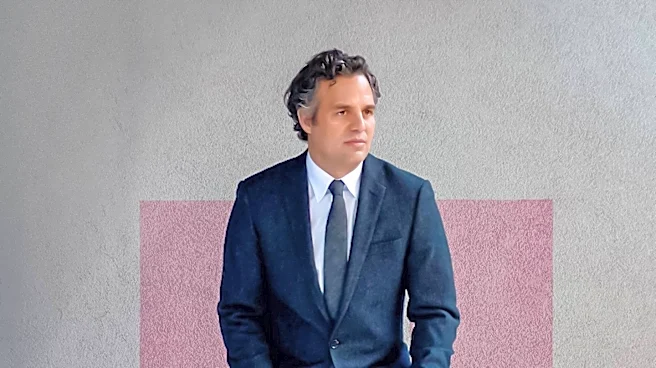
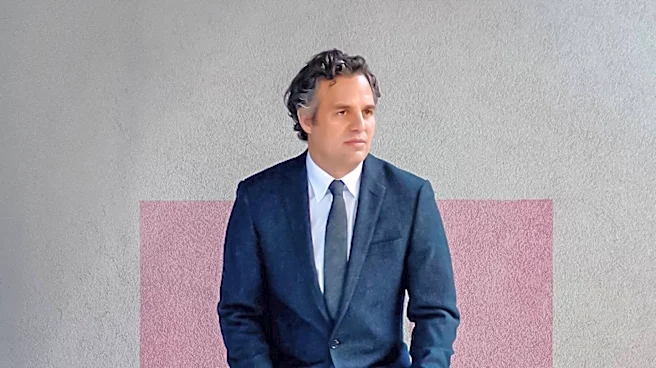
Over 180 Jewish figures from the entertainment, arts, and cultural sectors have signed an open letter in support of actor Mark Ruffalo. This letter comes after Ruffalo faced accusations of antisemitism
from Paramount following his comments on a proposed merger between Paramount and Warner Bros. Discovery. Ruffalo had criticized the merger, highlighting the Ellison family's involvement and Oracle's alleged ties to the Israeli military, using terms like 'genocide' and 'apartheid' in relation to actions against Palestinians. Paramount's spokesperson accused Ruffalo of employing 'antisemitic stereotypes.' The signatories of the letter, including prominent names like Joaquin Phoenix and Joel Coen, assert that criticizing the actions of the Israeli Prime Minister, military technology contracts, or executives providing such technology is not equivalent to criticizing the Jewish people. They argue that the accusations against Ruffalo are a 'false and dangerous' weaponization of antisemitism to silence legitimate criticism.
Why It's Important?
This event underscores a growing tension within the entertainment industry and broader society regarding the definition and application of antisemitism, particularly in discussions related to the Israeli-Palestinian conflict. The involvement of numerous Jewish personalities in defending Ruffalo suggests a significant internal debate within the Jewish community itself on these issues. It highlights the complexity of criticizing Israeli policies without being labeled antisemitic, a distinction Ruffalo and his supporters emphasize. The controversy also touches upon corporate power and media consolidation, as Ruffalo's initial comments were tied to a major media merger and the alleged influence of figures like Larry Ellison, founder of Oracle, in both military technology and media. This raises questions about the role of media conglomerates in shaping public discourse and the potential for powerful entities to suppress dissenting voices by leveraging serious accusations.
What's Next?
The open letter calls for an end to the 'false and dangerous weaponization of antisemitism' against those who speak out on the Israeli-Palestinian conflict. This public stance by a large group of Jewish cultural figures may encourage further dialogue and debate on the issue, potentially influencing how accusations of antisemitism are perceived and handled in public discourse. It could also lead to increased scrutiny of corporate mergers, particularly those involving companies with alleged ties to controversial political or military actions. The ongoing discussion around Mark Ruffalo's comments and the subsequent support he has received may prompt other public figures to voice their opinions, further shaping the narrative around the conflict and freedom of speech within the entertainment industry. The letter's direct challenge to the use of antisemitism accusations as a 'weapon' suggests a push for more nuanced and context-aware discussions.
Beyond the Headlines
The controversy surrounding Mark Ruffalo and the subsequent open letter from Jewish personalities reveal deeper ethical and cultural dimensions. It highlights the struggle to maintain open dialogue on sensitive geopolitical issues, particularly when powerful corporate and political interests are involved. The letter argues that pointing out connections between events in Gaza and Hollywood is the 'exact opposite of antisemitism,' framing it as an 'essential Jewish ethical duty.' This perspective challenges a monolithic view of Jewish identity and opinion, demonstrating a diversity of thought within the community regarding Israel and its policies. Furthermore, the discussion about the proposed merger and Oracle's role in military technology, coupled with concerns about AI dominance and media consolidation, points to a broader anxiety about unchecked corporate power and its potential impact on democracy and human rights. The signatories' reference to an 'Orwellian world' being prepared by figures like Larry Ellison suggests a fear of a future where technology and media are used to control narratives and suppress dissent, making the current debate not just about one actor, but about fundamental freedoms and the future of information control.