





What's Happening?
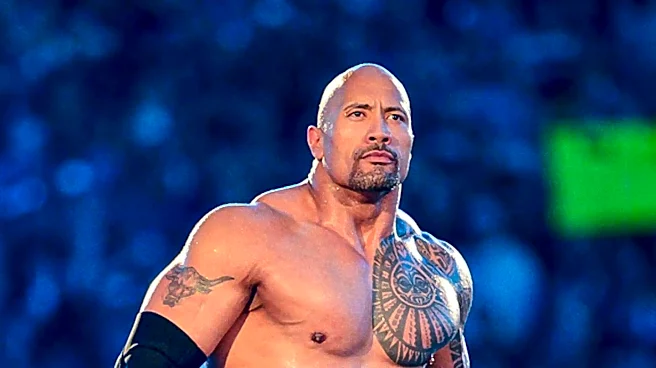
During a recent interview at FAN EXPO Dallas, actor Nicolas Cage offered his perspective on the Marvel Cinematic Universe (MCU), likening it to a 'well-funded and glorified WWE.' Cage expressed this view with a degree of affection, noting that he observes
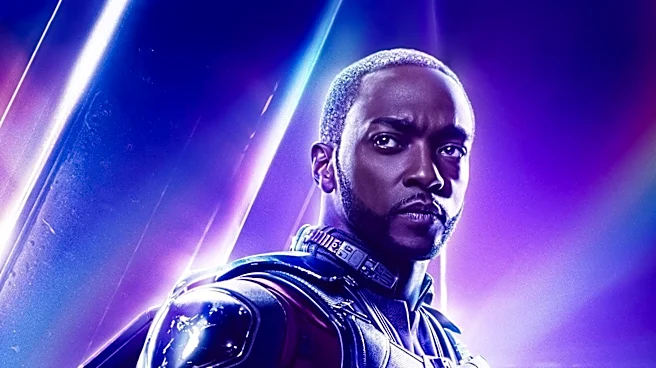
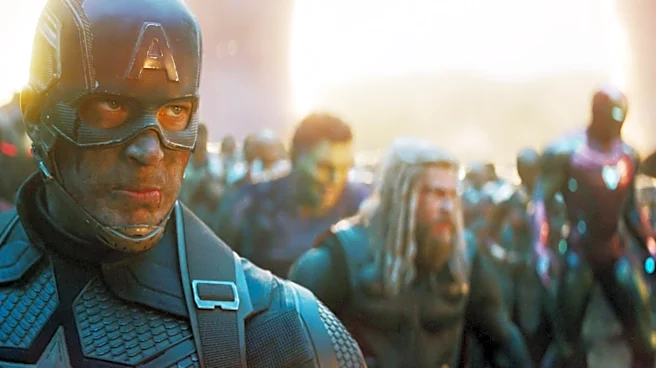
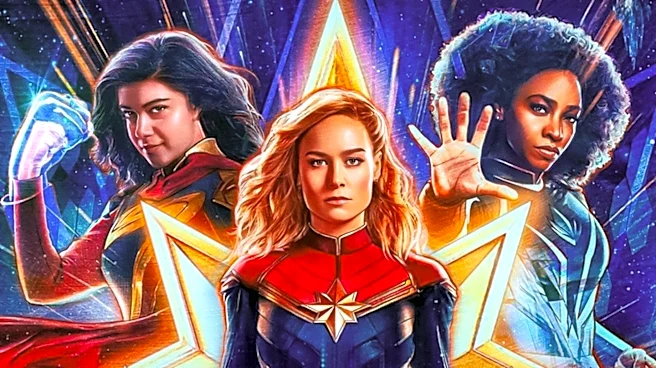
'50-plus otherwise intelligent, remarkably gifted thespians putting on these ridiculous outfits and getting ready for the fight.' He emphasized that the core focus of these films appears to be the fight sequences. This comparison comes amidst ongoing discussions and criticisms from both fans and actors regarding the MCU's perceived over-reliance on visual effects rather than practical sets and on-location shooting. Cage, who has not featured in the MCU, articulated his feelings during a Q&A session, providing an external, yet prominent, voice to the discourse surrounding the franchise's creative direction.
Why It's Important?
Nicolas Cage's comparison of the MCU to a 'well-funded and glorified WWE' is significant as it highlights a growing sentiment among some critics and actors regarding the franchise's artistic direction. While Cage states his comments are made 'with love,' his observation points to a potential concern about the emphasis on spectacle and action over character development or nuanced storytelling, which could impact the long-term artistic credibility of the MCU. This perspective from a respected actor outside the franchise adds weight to existing criticisms about the over-reliance on visual effects and the formulaic nature of some superhero narratives. For Marvel Studios, such public commentary from influential figures could prompt internal discussions about balancing commercial success with artistic depth, especially as the franchise continues to expand and evolve. It also reflects a broader cultural conversation about the nature of blockbuster cinema and its impact on the film industry.
What's Next?
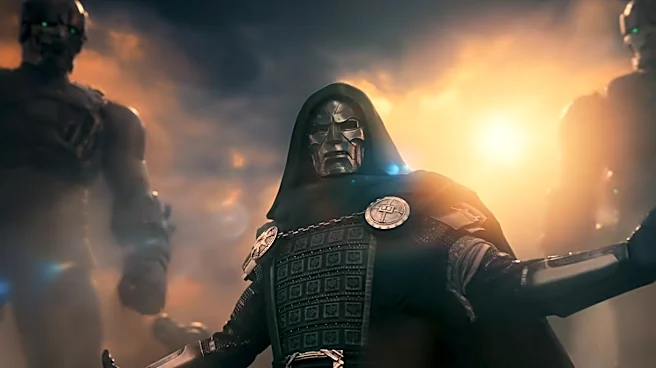
While Nicolas Cage's comments are an observation rather than a direct call to action, they contribute to an ongoing dialogue within the entertainment industry about the creative choices made by large franchises like the MCU. This type of public commentary from prominent actors may encourage Marvel Studios to consider diversifying its storytelling approaches or investing more in practical effects and character-driven narratives to address these criticisms. The continued expansion of the MCU, with upcoming projects like 'Avengers: Doomsday,' will likely be scrutinized through the lens of these discussions. Future films may see a subtle shift in emphasis, or the studio might continue its current trajectory, potentially leading to further debate among critics and audiences about the balance between entertainment and artistic merit in superhero cinema.
Beyond the Headlines
Nicolas Cage's analogy delves into a deeper cultural and artistic critique of modern blockbuster filmmaking. By comparing the MCU to professional wrestling, he implicitly suggests a focus on predetermined outcomes, theatricality, and physical confrontation, potentially at the expense of spontaneous dramatic tension or profound character exploration. This raises questions about the role of actors in such large-scale productions, where their 'remarkably gifted' talents might be perceived as being channeled primarily into physical performance within 'ridiculous outfits.' The comment also touches upon the broader impact of dominant franchises on the film industry, where the immense financial success of the MCU might inadvertently set a precedent for other studios to prioritize similar spectacle-driven content, potentially limiting the diversity of cinematic offerings. This critique, therefore, extends beyond just Marvel to the very nature of contemporary Hollywood and its creative priorities.