






What's Happening?
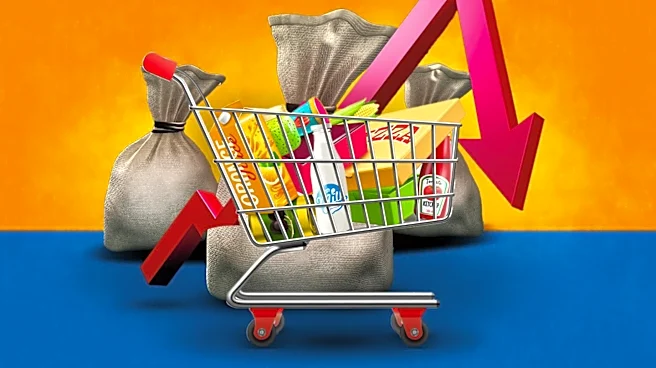
A recent survey by SurveyMonkey indicates that nearly three-quarters of shoppers are concerned about increasing prices as the holiday season approaches, leading many to rethink their spending strategies. Consumers are planning to prioritize gifts that offer
greater value, focusing on essentials rather than luxury items. This shift in consumer behavior presents both opportunities and challenges for small businesses. Small business owners are advised to understand this sentiment and adapt their offerings to align with market demands, emphasizing value and quality. Shoppers are also leaning towards shopping earlier to manage budgets and avoid last-minute splurges, suggesting an opportunity for early holiday promotions.
Why It's Important?
This shift in consumer spending habits has significant implications for the U.S. business landscape, particularly for small businesses. With consumers becoming more price-sensitive, businesses must find a delicate balance between maintaining profitability and offering competitive pricing. The emphasis on 'value' over 'luxury' means that small businesses need to clearly articulate the benefits and quality of their products. Those that can effectively communicate their value proposition, perhaps through personalized marketing, loyalty programs, or bundled offers, stand to gain. Conversely, businesses that fail to adapt to these changing preferences risk alienating potential customers and seeing reduced sales during a crucial shopping period. The trend also highlights the importance of agile inventory management and supply chain strategies for small businesses, which often face tighter constraints than larger retailers.
What's Next?
In response to these evolving consumer trends, small businesses are expected to adjust their holiday marketing and sales strategies. This may include launching promotions earlier in the season, focusing on value-driven product bundles, and enhancing their online presence to facilitate easier shopping. Businesses will likely invest more in understanding customer feedback through surveys and social media to tailor their offerings. The challenge will be to implement these strategies without undermining brand value through excessive discounting. Furthermore, the broader economic environment, including inflation rates, will continue to influence consumer confidence and spending, requiring businesses to remain flexible and responsive to ongoing market changes. The success of small businesses during this period will depend on their ability to innovate and connect with price-conscious consumers.
Beyond the Headlines
The survey findings underscore a broader economic reality impacting American households: persistent inflation is altering fundamental consumer behaviors. This isn't merely a seasonal adjustment but potentially a long-term recalibration of spending priorities, moving away from discretionary luxury towards practical value. For the U.S. economy, this could signal a period of more cautious consumer spending, influencing production, employment, and investment decisions across various sectors. It also highlights the resilience and adaptability required of small businesses, which are often more vulnerable to economic shifts than large corporations. The emphasis on 'value' could also foster a greater appreciation for durability and utility in products, potentially influencing design and manufacturing trends in the long run.