

What's Happening?
Members of the British royal family follow a comprehensive set of rules and guidelines when engaging with the public. These protocols, ingrained in those born into the line of succession like King Charles and Prince William, and learned by those who marry
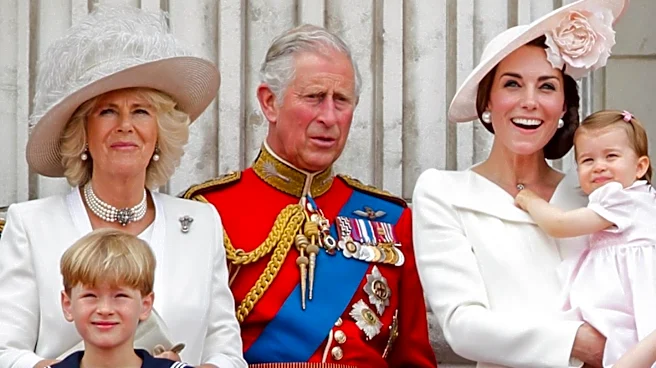
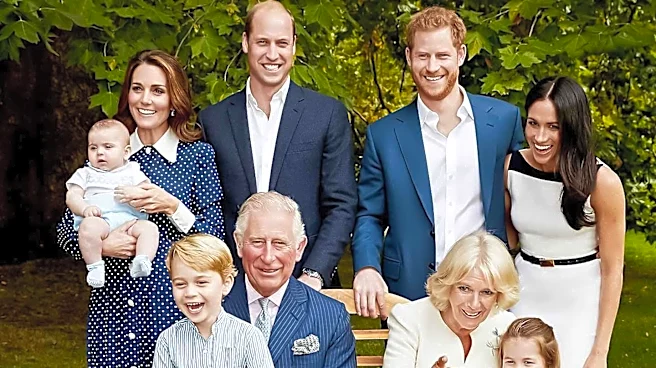
into the family such as Queen Camilla and Kate Middleton, govern various aspects of their public life. Key rules include declining autographs to prevent forgery, with royal expert Richard Fitzwilliams noting that royal signatures could be misused and that autographs belong in the celebrity world. The royals are also cautious about selfies, though their stance has evolved, with some like Prince William and Princess Kate now occasionally taking them. Public displays of affection (PDA) are generally kept to a minimum, mirroring the example set by Queen Elizabeth and Prince Philip. Furthermore, royals avoid making political statements, opting for light conversations, and maintain specific dress codes and posture, such as the 'Duchess Slant' for female royals. They also travel with a black outfit in case of a death and adhere to strict rules regarding gift acceptance, typically only accepting smaller, non-controversial items under a certain value. Etiquette, including eating and drinking, is dictated by the highest-ranking royal present, and children undergo formal training from a young age. Notably, Queen Elizabeth banned garlic and excessive onions in royal kitchens to prevent bad breath during public engagements.
Why It's Important?
These stringent protocols are crucial for maintaining the British monarchy's image of neutrality, decorum, and tradition, which are foundational to its role within the United Kingdom and its perception globally. The avoidance of political statements ensures the monarchy remains above partisan politics, a principle vital for its constitutional function and public trust. The rules around autographs and selfies help manage public expectations and prevent situations that could compromise security or lead to public resentment. The adherence to dress codes, posture, and etiquette reinforces a sense of dignity and formality expected of a royal institution. The practice of carrying a black outfit for mourning demonstrates a preparedness and respect for solemn occasions, reflecting the monarchy's symbolic role in national life. The strict gift policy safeguards against potential accusations of undue influence or corruption, preserving the integrity of the royal family. These guidelines collectively contribute to the stability and continuity of the monarchy, ensuring its members consistently present a unified and appropriate front to the public, which is essential for its enduring relevance and support.
What's Next?
The British royal family is expected to continue upholding these established protocols, as they are deeply embedded in the institution's operational framework and public presentation. While some rules, like the stance on selfies, have shown slight flexibility over time, the core principles of maintaining decorum, neutrality, and security are likely to remain constant. Future generations of royals, including Prince George, Princess Charlotte, and Prince Louis, will undergo similar etiquette training to ensure they are prepared for their public roles. Any potential changes to these protocols would likely be incremental and carefully considered, reflecting evolving societal norms while preserving the monarchy's traditional values. The emphasis will remain on presenting a consistent and dignified image, particularly as the monarchy navigates its role in a modernizing world. The ongoing adherence to these rules will continue to shape public interactions and perceptions of the royal family, influencing how they are viewed both domestically and internationally.
Beyond the Headlines
The strict adherence to these royal protocols extends beyond mere etiquette; it reflects a sophisticated system of brand management and institutional preservation. By controlling interactions, appearances, and even dietary choices, the monarchy meticulously crafts its public image, minimizing potential controversies and reinforcing its symbolic authority. The ban on autographs, for instance, highlights a pragmatic approach to security and authenticity, distinguishing royal interactions from celebrity encounters. The emphasis on neutrality in political discourse underscores the monarchy's unique position as a unifying national symbol rather than a political actor. These rules also subtly communicate the values the monarchy wishes to project: tradition, duty, and a certain detachment from the everyday. This careful curation of public persona is a critical, albeit often unseen, aspect of the monarchy's long-term survival and its ability to adapt while retaining its historical essence. The continuous reinforcement of these norms shapes not only the royals' behavior but also public expectations and perceptions of what a modern monarchy should embody.