




What's Happening?
Recent research and updated guidelines are reshaping understanding of static stretching, particularly regarding its effectiveness in injury prevention, muscle soreness reduction, and performance enhancement. While static stretching reliably improves flexibility
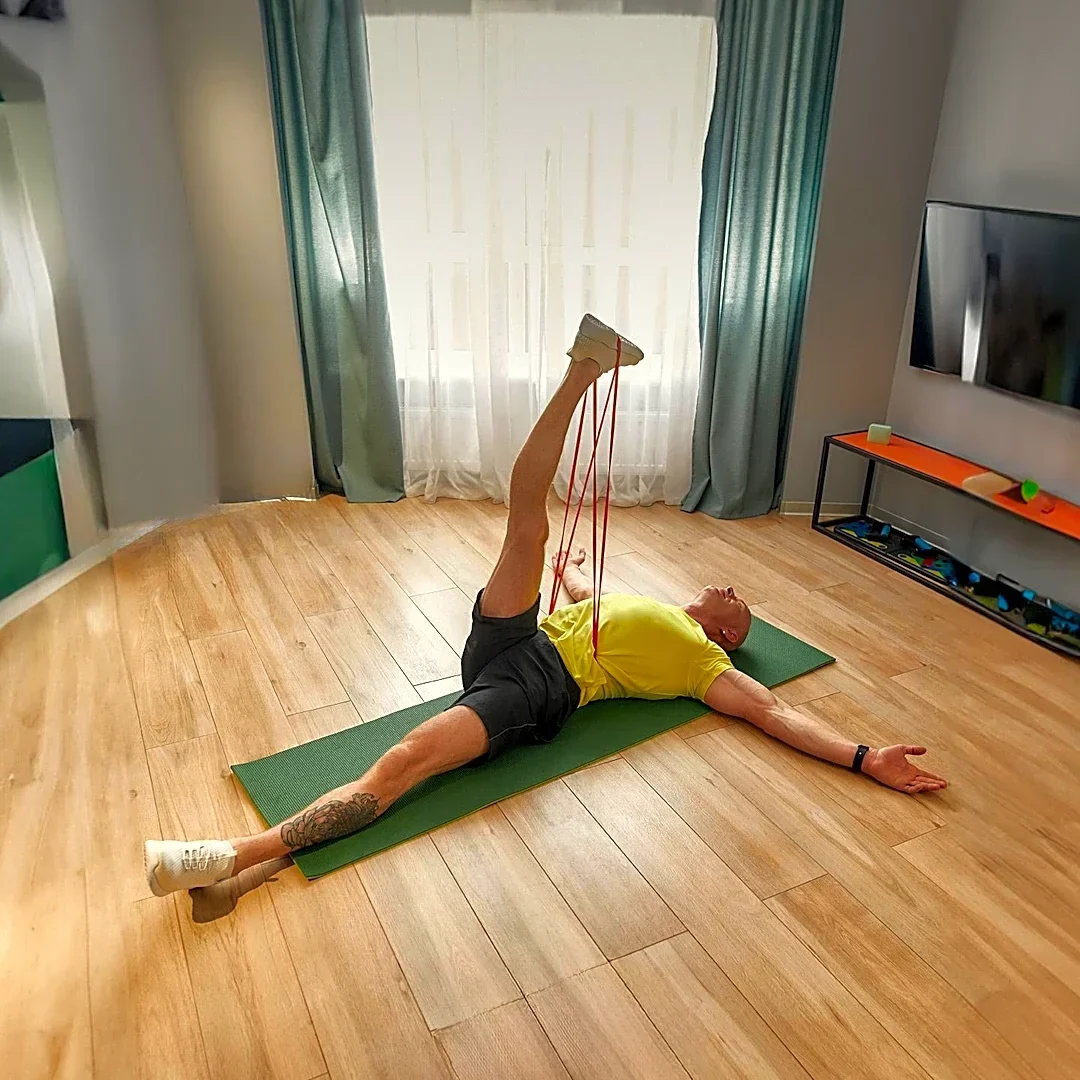
when held for 15-30 seconds, repeated two to four times on most days, its role in preventing injuries or reducing muscle soreness is minimal. Large randomized trials involving military recruits and runners found no significant reduction in overall injury rates from pre-exercise stretching. Furthermore, a Cochrane review indicated that stretching before or after exercise reduced delayed-onset muscle soreness by only about one point on a 100-point scale, a difference considered too small to be noticeable. The consensus among major health organizations like Mayo Clinic, NHS, and Harvard Health is that flexibility work is a routine part of fitness, with specific caveats on timing and hold length. They recommend holding stretches for 10-30 seconds, accumulating about 60 seconds per muscle group per session, and performing this at least two to three days a week, with daily stretching yielding faster gains.
Why It's Important?
This shift in understanding is important for athletes, fitness enthusiasts, and the general public in the U.S. as it challenges long-held beliefs and practices. The emphasis on dynamic warm-ups before exercise and static stretching after, or in separate sessions, can optimize performance and reduce the risk of counterproductive effects. For instance, long static holds (over 60 seconds) immediately before activities requiring maximal strength or power, such as sprinting or heavy lifting, can temporarily reduce performance by a few percent. Conversely, short holds (under 30 seconds) followed by a dynamic warm-up have negligible impact. This refined guidance helps individuals make more informed decisions about their fitness routines, potentially leading to more effective training and better outcomes. It also highlights that strength training, rather than stretching, has stronger evidence for injury prevention, suggesting a need for a balanced approach to physical fitness that incorporates both flexibility and strength components.
What's Next?
The ongoing research into static stretching, particularly the preliminary findings on long-duration stretching for muscle growth, suggests that the scientific understanding of flexibility and its benefits is still evolving. While current mainstream guidelines from organizations like the American College of Sports Medicine, Mayo Clinic, and Harvard Health recommend specific hold times and frequencies for flexibility, these may be further refined as more robust studies emerge. Individuals are encouraged to consult with healthcare professionals, especially if they have underlying conditions or injuries, to tailor stretching routines to their specific needs. The continued dissemination of evidence-based practices will likely lead to further adjustments in fitness recommendations, emphasizing a more nuanced approach to stretching that aligns with individual goals and physiological responses.
Beyond the Headlines
The evolving understanding of static stretching underscores a broader trend in health and fitness: the continuous re-evaluation of established practices based on new scientific evidence. This challenges the often-simplistic advice found in popular culture and highlights the importance of critical thinking in adopting fitness routines. The distinction between static and dynamic stretching, and their respective optimal timings, reflects a deeper appreciation for the body's physiological responses to different types of movement. Furthermore, the preliminary findings on long-duration stretching potentially contributing to muscle growth blur the traditional lines between stretching and strength training, opening new avenues for research and therapeutic applications, particularly for individuals with limitations in conventional resistance training. This ongoing scientific inquiry encourages a more holistic and evidence-informed approach to physical well-being.