







What's Happening?
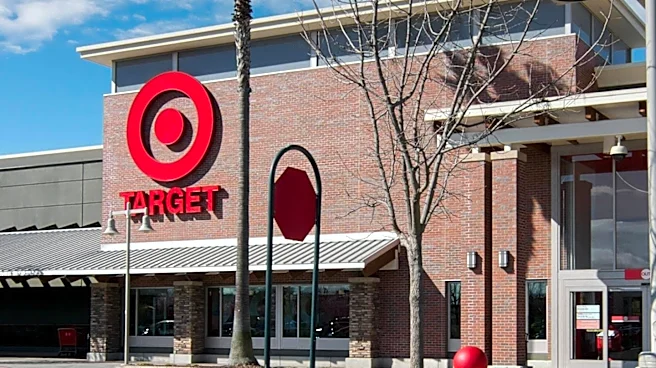
Michael Fiddelke has been appointed as the new Chief Executive Officer (CEO) of Target, effective February 2026. He succeeds Brian Cornell, who will transition into the role of Executive Chair. Cornell has led Target since mid-2014. Fiddelke's new leadership
will focus on four key priorities: improving product selection, design, style, and value in merchandising; enhancing the guest experience to make shopping easier and more appealing; advancing technology to improve digital services and retail operations; and strengthening employee support and community relationships. This leadership change comes as Target reported its Q2 2026 financial results, with net sales reaching $26.539 billion, a 5.3% increase, and comparable sales growing by 3.8%. Digital comparable sales saw an 8.7% increase. The Q2 earnings included a significant one-time pretax tariff refund benefit of $994 million, which added $1.65 to diluted EPS. Excluding this refund, EPS increased by 20% year-over-year.
Why It's Important?
This leadership transition at Target is significant for the U.S. retail sector, signaling a strategic shift for one of the nation's largest general merchandise retailers. Michael Fiddelke's focus on merchandising, guest experience, technology, and team development indicates a proactive approach to evolving consumer demands and competitive pressures. The emphasis on digital services and retail operations highlights the ongoing importance of e-commerce integration for brick-and-mortar giants. Investors and business researchers will closely monitor how these priorities translate into tangible improvements in sales and customer engagement, especially given the competitive landscape with major players like Walmart, Amazon, and Costco. The financial performance, including the impact of the tariff refund, underscores the complexities of evaluating retail health and the need to differentiate between one-time gains and sustainable operational growth. The new leadership's ability to drive consistent performance will influence market perception and potentially set trends for other large retailers.
What's Next?
Following Michael Fiddelke's assumption of the CEO role in February 2026, the retail industry will be watching for the implementation and initial results of his four stated priorities. Target's future financial reports will be scrutinized to see if these strategic shifts lead to sustained growth in net sales, comparable sales, and digital sales, beyond any one-time benefits. The company's ability to enhance its product offerings and customer experience will be crucial in maintaining its competitive edge against rivals. Furthermore, the impact of technological advancements on its supply chain, in-store operations, and online platforms will be a key area of focus. Stakeholders, including investors, employees, and consumers, will be looking for clear indications that the new leadership is effectively navigating the dynamic retail environment and delivering on its strategic vision. The transition of Brian Cornell to Executive Chair suggests a continued advisory role, providing continuity and experience during this period of change.
Beyond the Headlines
The leadership change at Target reflects broader trends within the U.S. retail industry, where companies are constantly adapting to technological disruption and shifting consumer behaviors. The focus on 'guest experience' and 'technology' underscores the increasing convergence of physical and digital retail, moving beyond simple e-commerce to integrated omnichannel strategies. This transition also highlights the importance of succession planning in large corporations, ensuring continuity and fresh perspectives. The emphasis on 'teams and communities' suggests a recognition of the growing importance of corporate social responsibility and employee well-being in attracting and retaining talent, as well as fostering positive brand perception. The strategic priorities outlined by Fiddelke could serve as a blueprint for other retailers grappling with similar challenges, emphasizing innovation, customer-centricity, and operational efficiency as pillars for long-term success in a highly competitive market.