




What's Happening?
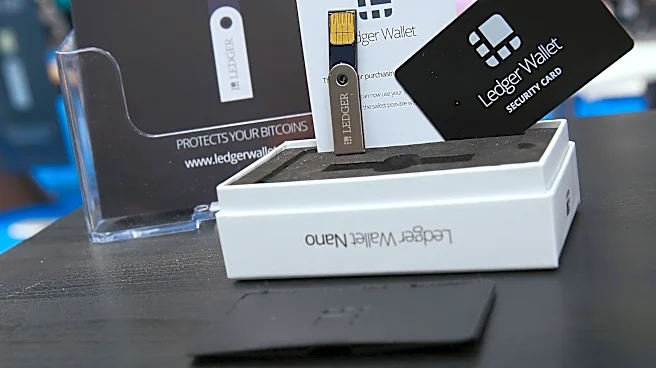
Vitalik Buterin, co-founder of Ethereum, has advocated for increased verifiability in computer chips, particularly in the context of hardware wallets, due to evolving security threats. In a recent blog post, Buterin highlighted that most commercial open-source
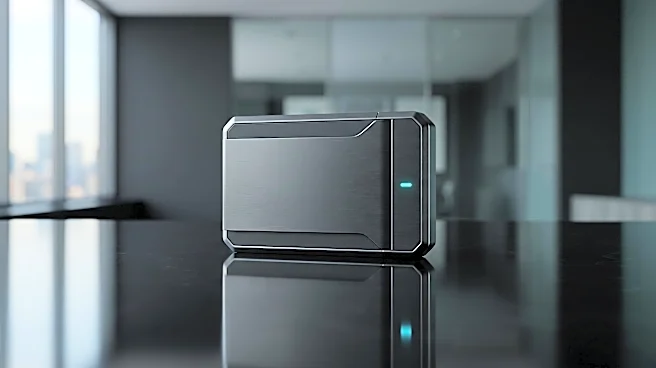
chips lack sufficient detail regarding their physical construction, making it difficult to verify their integrity. He emphasized that merely publishing a chip's programmed functions is not enough; a blueprint for physical inspection is crucial. Buterin's concerns stem from real-world incidents, such as supply-chain attacks where malicious implants were inserted into hardware wallets before reaching consumers. These implants, which can resemble legitimate components, are designed to capture recovery phrases and transmit them, often without altering firmware, making them undetectable to the naked eye. He cited instances where Ledger and Trezor devices, sold through a reseller, were found with such implants, leading to the compromise of user data.
Why It's Important?
This call for enhanced chip verifiability is critical for the cryptocurrency industry, as it directly addresses the foundational security of hardware wallets, which are designed to protect users' private keys offline. The principle of 'Not your silicon, not your keys' underscores that the security of self-custody depends on the integrity of every layer, with the chip being the most fundamental. If hardware can be compromised at the manufacturing or supply-chain level, the core promise of cold storage—keeping assets secure from online threats—is undermined. Such vulnerabilities can lead to significant financial losses, as evidenced by a recent incident where a compromised hardware wallet resulted in a $95.35 million loss from 1,486 addresses. This situation erodes user trust in hardware security solutions and highlights the need for a more transparent and verifiable hardware ecosystem to safeguard digital assets.
What's Next?
Buterin envisions a future where the hardware industry bifurcates into two distinct paths: performance-oriented hardware and security-focused hardware. While secure hardware might be less efficient, potentially operating at one-tenth the efficiency of its performance counterparts, it would still be adequate for most everyday applications requiring high security. He acknowledges that achieving fully open-source hardware designs, including detailed physical layout files (GDS files) and the ability for microscopic inspection, will be challenging due to commercial pressures and intellectual property concerns. However, he believes that professional auditors, journalists, and civil society groups could play a vital role in inspecting chips if designs become more transparent. This push could lead to increased scrutiny of hardware wallet manufacturers' supply chains and a greater demand for verifiable hardware from security-conscious consumers.
Beyond the Headlines
The implications of Buterin's proposal extend beyond immediate cryptocurrency security, touching upon broader themes of digital trust, supply chain integrity, and the democratization of technology. The idea of 'Not your silicon, not your keys' highlights a fundamental shift in understanding digital security, emphasizing that software-level protections are insufficient if the underlying hardware is compromised. This perspective could drive a re-evaluation of how all critical digital infrastructure is designed, manufactured, and verified, potentially influencing industries far beyond crypto. It also raises ethical questions about the balance between proprietary commercial interests and the public's right to verifiable security in an increasingly digital world. The long-term impact could be a push towards more transparent and auditable hardware development, fostering greater trust in the devices that underpin our digital lives.