






What's Happening?
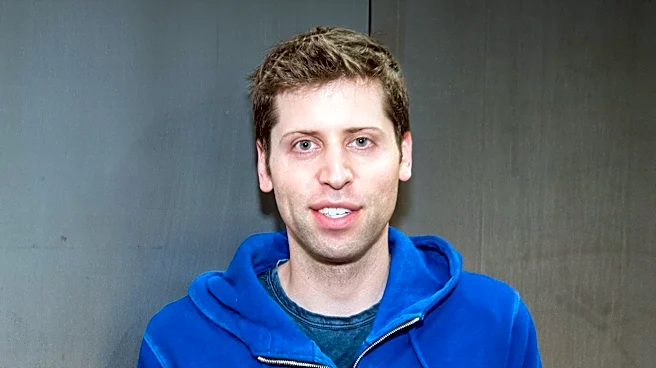
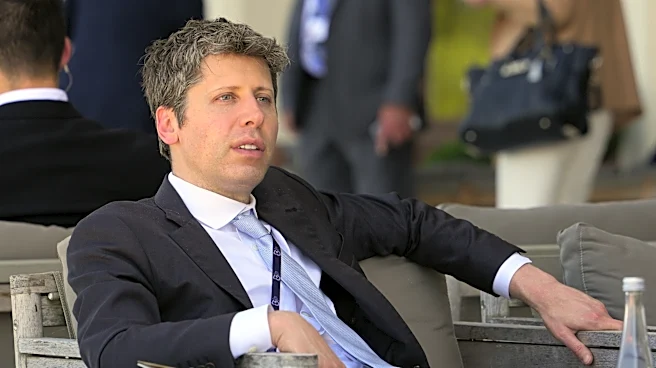
Scott Winters, a former pastor from Florida, has filed a lawsuit against OpenAI and its CEO, Sam Altman, in San Francisco County Superior Court. The lawsuit alleges that ChatGPT, OpenAI's chatbot, provided medical advice that nearly led to Winters' death.
According to the lawsuit, Winters consulted ChatGPT about symptoms such as dizziness and blood pressure instability. The chatbot allegedly advised him to remain immobile, which his doctors later suggested contributed to a life-threatening pulmonary embolism. The lawsuit claims that ChatGPT crossed the line from providing information to practicing medicine without a license, and accuses OpenAI of prioritizing user engagement over public safety.
Why It's Important?
This lawsuit highlights the potential risks associated with relying on AI for medical advice. It raises questions about the responsibilities of AI developers in ensuring their products do not endanger users. The case could have significant implications for the tech industry, particularly in how AI tools are regulated and the extent to which companies are held accountable for the advice their products provide. If successful, the lawsuit may lead to stricter regulations and the implementation of more robust safety measures in AI systems, impacting how tech companies develop and market their AI products.
What's Next?
The legal proceedings will likely explore the extent of OpenAI's liability and whether disclaimers about ChatGPT's intended use are sufficient to protect the company from legal repercussions. The outcome could influence future legal standards for AI products, particularly those providing health-related information. Additionally, the case may prompt other users who have experienced negative outcomes from AI advice to come forward, potentially leading to more lawsuits and increased scrutiny of AI technologies.