



What's Happening?
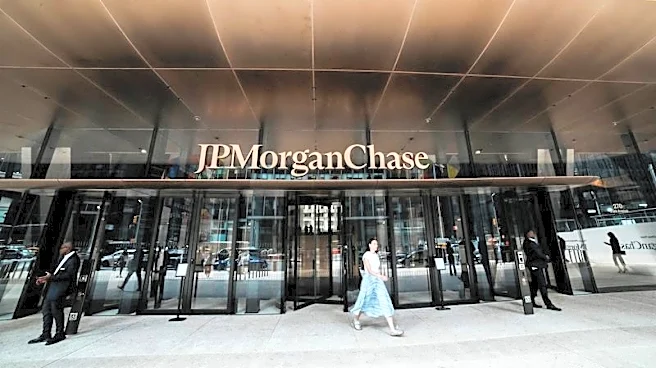
JPMorgan Chase, along with other major U.S. financial institutions like Wells Fargo, Citibank, and Bank of America, are investing billions into the housing market. JPMorgan Chase announced its 'American Dream Initiative,' pledging $750 billion by 2035
to build or preserve 1 million affordable housing units and assist 500,000 customers in purchasing homes, with 200,000 being first-time buyers. Citi launched its 'Blueprint for Housing Opportunity Initiative,' a $60 billion plan to support the construction and preservation of 250,000 homes, doubling its previous pace. These initiatives come as the U.S. faces a significant housing supply shortage and a decline in homebuying activity since 2022, partly due to high interest rates and market uncertainty. The number of mortgage originations at large banks has remained below 500,000 for the past three years, a substantial drop from pre-pandemic levels. Banks are also advocating for policy changes, including zoning reform, building code adjustments, and modifications to the Low Income Housing Tax Credit, to address the affordability crisis and stimulate new construction.
Why It's Important?
The substantial investments by major U.S. banks into the housing market are critical for addressing the nationwide housing supply shortage and restoring affordability. The decline in homebuying activity and mortgage originations has significant macroeconomic effects, limiting labor mobility, productivity, and overall economic growth. By focusing on building and preserving affordable housing units, these initiatives aim to expand the pool of potential homeowners and renters, which could alleviate financial strain on many Americans. The banks' involvement extends beyond traditional mortgage lending to include advocacy for policy changes, such as zoning reform and adjustments to the Low Income Housing Tax Credit. These efforts could streamline development processes and attract more investment into affordable housing projects. The initiatives also reflect a strategic business decision for banks, as a healthier housing market can lead to increased mortgage business and a broader customer base, ultimately supporting the growth of the private sector.
What's Next?
The announced initiatives are long-term commitments, with JPMorgan Chase's plan extending to 2035 and Citi's aiming to double its construction pace. Stakeholders can expect continued efforts from these banks to implement their housing programs, including the development of affordable housing units and assistance for homebuyers. The focus on policy advocacy suggests that banks will likely continue to engage with lawmakers at state and local levels to push for regulatory changes that reduce construction costs and encourage innovation in homebuilding. This could include further discussions on zoning reform, building code modifications, and potential adjustments to financial incentives like the Low Income Housing Tax Credit. The success of these initiatives will depend on various factors, including market conditions, interest rate fluctuations, and the effectiveness of policy changes. Monitoring the progress of these programs and their impact on housing supply and affordability will be crucial in the coming years.
Beyond the Headlines
Beyond the immediate financial commitments, these initiatives highlight a growing recognition among major financial institutions of their role in addressing systemic societal challenges. The housing crisis, characterized by a severe supply shortage and declining affordability, has profound ethical and social implications, impacting individuals' ability to build wealth, access stable living conditions, and participate fully in the economy. By investing in affordable housing and advocating for policy reform, banks are implicitly acknowledging the broader societal impact of housing instability. This shift towards a more proactive and socially conscious approach could set a precedent for other industries to engage with complex social issues. Furthermore, the emphasis on innovation in construction and financing suggests a potential long-term shift in how housing is developed and funded, moving towards more efficient and accessible models. The collaboration between the private sector and policymakers could also foster new frameworks for addressing large-scale societal problems through integrated solutions.