






What's Happening?
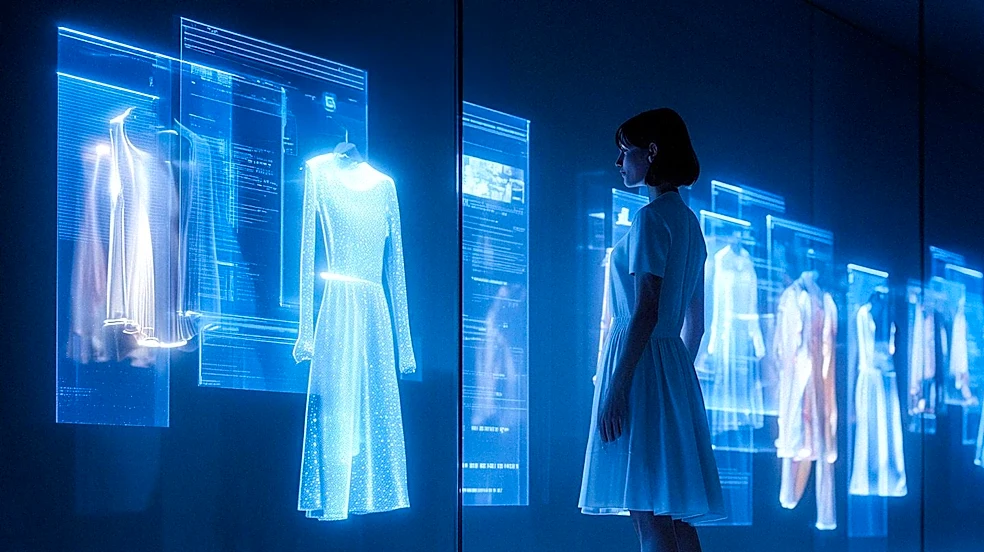
Wdrobe has launched an AI stylist application designed to create outfits exclusively from a user's existing wardrobe. The app requires users to photograph their clothing items, which are then sorted into a digital wardrobe. Wdrobe's AI analyzes the user's color
season and body shape from a single photo to tailor outfit suggestions. These suggestions are further refined by considering the day's weather forecast. Users can request outfits for specific occasions or build looks around a particular item they wish to wear. A key feature is the virtual try-on, which allows users to preview outfits on their own photo before physically dressing or making new purchases. This approach differentiates Wdrobe from apps that primarily suggest new items to buy, focusing instead on maximizing the utility of current possessions.
Why It's Important?
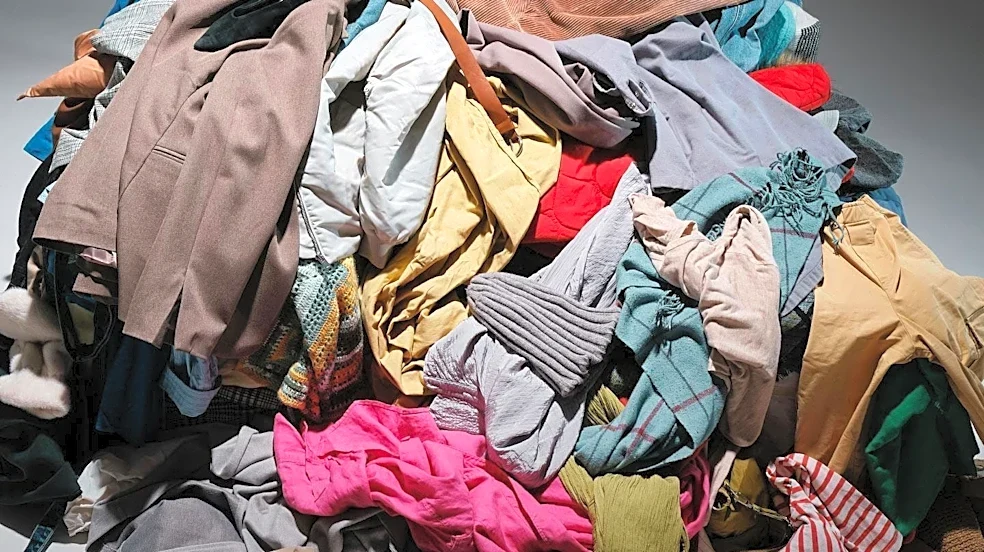
Wdrobe's AI stylist represents a significant step in personalizing fashion technology by prioritizing existing wardrobes. This approach can empower consumers to make more sustainable choices by encouraging them to utilize their current clothing more effectively, potentially reducing the demand for fast fashion and minimizing textile waste. For individuals, it offers a practical solution to common dressing dilemmas, saving time and fostering creativity with their own clothes. The integration of personal color and body shape analysis, combined with weather data, provides a highly customized styling experience that was previously only accessible through professional stylists. This could democratize personal styling, making it available to a broader audience and shifting consumer focus from constant acquisition to thoughtful utilization of their fashion assets.
What's Next?
The success of Wdrobe's model could inspire other fashion tech companies to pivot towards similar 'wardrobe-first' AI styling solutions. Future iterations of such apps might include more advanced fabric analysis, integration with local weather patterns for hyper-localized outfit suggestions, or even features for clothing repair and alteration services. The emphasis on personal body shape and color analysis could also lead to a greater demand for personalized fashion advice across the industry. As users become more accustomed to AI-driven styling, there may be a shift in how fashion content is consumed, moving away from generic trend reports to highly individualized recommendations. This could also influence how clothing brands design and market their products, potentially leading to a greater focus on versatile, long-lasting pieces that integrate well into existing wardrobes.
Beyond the Headlines
Wdrobe's innovative approach to AI styling, centered on a user's existing wardrobe, carries broader implications for consumer culture and environmental sustainability. By encouraging users to 'shop their closet,' the app challenges the prevailing narrative of constant consumption in the fashion industry. This could foster a more mindful relationship with clothing, promoting longevity and reducing the environmental footprint associated with textile production and disposal. Ethically, the app's reliance on personal photos for body shape and color analysis raises questions about data privacy and the secure handling of sensitive personal information. Furthermore, the concept of an AI dictating style choices, even from existing items, could subtly influence individual expression and creativity. The long-term impact might be a more sustainable and personalized fashion ecosystem, but it also necessitates careful consideration of privacy and the balance between AI guidance and individual autonomy in style.