






What's Happening?
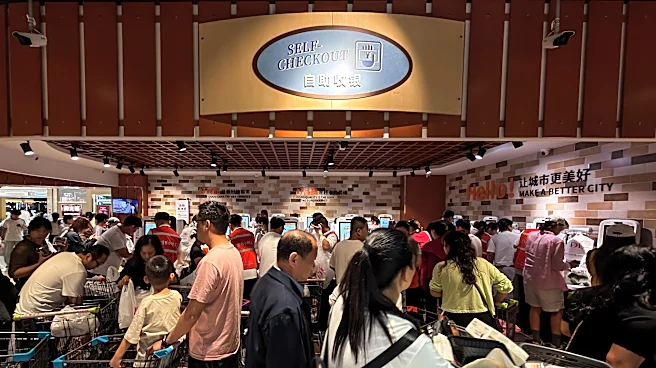
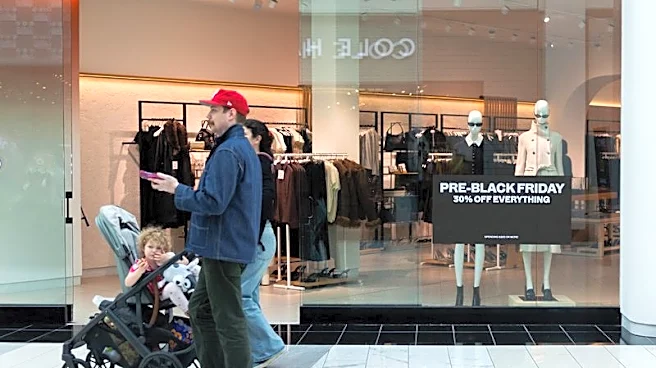
Shoppers in Chicago are preparing to hit stores for Black Friday deals, with many keeping their budgets in mind due to ongoing inflation and affordability concerns. Despite these worries, the National Retail Federation (NRF) projects that holiday shopping
season spending will exceed $1 trillion for the first time, driven by higher prices. Inflation was up 3.8% in October, impacting consumers with increased costs for gas and other goods throughout the year. However, a recent report indicated a rise in consumer confidence, suggesting optimism about the future. Shoppers like Alma Nava and Nabeel Vahora have wishlists, with Vahora hoping to purchase a PS5 and GTA VI, but both are wary of their budgets. Some shoppers are even planning traditional 'doorbusting' by camping outside stores like Walmart to secure deals. Adobe Analytics forecasts that Cyber Monday, following the Black Friday weekend, will see consumers spend over $15 billion this year.
Why It's Important?
The sentiment among Chicago shoppers reflects a broader national trend where consumers are eager for Black Friday deals but remain cautious due to persistent inflation. This dynamic is crucial for the U.S. retail sector, as it indicates that while spending is projected to be high, it may be driven more by price increases than by increased purchasing volume. Retailers must offer compelling discounts to attract budget-conscious consumers, who are actively seeking value. The willingness of some shoppers to engage in traditional doorbusting highlights the continued allure of significant savings, even in an era dominated by online shopping. The overall success of Black Friday and the subsequent Cyber Monday will provide key insights into consumer resilience, spending priorities, and the economic outlook for the remainder of the year.
What's Next?
As Black Friday officially begins, Chicago-area stores and online retailers will be bustling with activity. Shoppers will be looking for the best deals on their wishlists, balancing desired purchases with budget constraints. The shopping frenzy will continue through the weekend, culminating in Cyber Monday, which is expected to generate over $15 billion in online sales. Retailers will closely monitor sales data to understand consumer behavior and adjust their strategies for the remaining holiday shopping season. The overall performance of this Black Friday weekend will be a significant indicator of consumer confidence and the strength of the retail market amidst ongoing economic pressures.
Beyond the Headlines
The blend of consumer enthusiasm for Black Friday and underlying budget concerns reveals a complex psychological landscape. It suggests that while economic pressures are real, the cultural significance of holiday shopping and the pursuit of 'deals' remain powerful motivators. This could lead to more strategic shopping behaviors, where consumers prioritize essential items or significant upgrades rather than impulse buys. The continued practice of doorbusting, despite the rise of e-commerce, also points to the social and experiential aspects of Black Friday for some shoppers. Furthermore, the projected $1 trillion in holiday spending, largely driven by inflation, raises questions about the true economic growth and purchasing power of the average American household, indicating a need for deeper analysis beyond top-line figures.