







What's Happening?
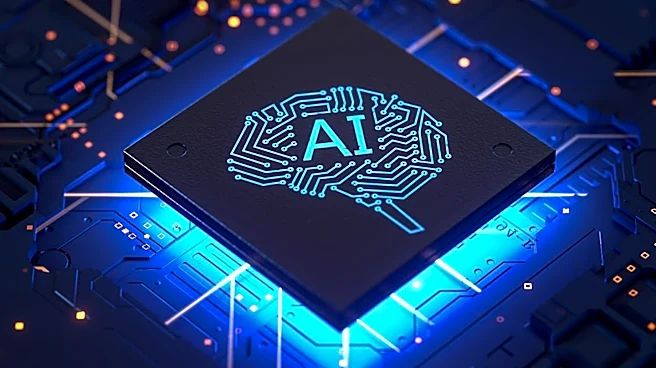
LG Display has announced that it is achieving annual cost savings exceeding 200 billion won by expanding its artificial intelligence (AI)-based manufacturing and product development systems. The company has integrated an AI manufacturing system across
its organic light-emitting diode (OLED) production lines, which automatically analyzes potential manufacturing anomalies and suggests corrective actions. This integration has reduced the time required to improve product quality from three weeks to two days, significantly enhancing production yields. Additionally, LG Display is broadening the use of Virtual Design and Verification (VDE) technology, which simulates display panels in a virtual environment to optimize designs and identify defects before physical prototypes are made. This approach shortens development cycles and reduces pilot production costs.
Why It's Important?
The implementation of AI-driven systems by LG Display is a significant development in the manufacturing sector, highlighting the potential of AI to enhance efficiency and reduce costs. By cutting down the time and resources needed for product development and quality improvement, LG Display can allocate more resources towards innovation and maintaining its competitive edge in the display technology market. This move not only strengthens LG Display's position in the industry but also sets a precedent for other companies to adopt similar technologies, potentially leading to widespread changes in manufacturing practices. The cost savings and efficiency gains could also translate into better pricing and product offerings for consumers.
What's Next?
LG Display plans to reinvest the cost savings and workforce resources into developing next-generation core display technologies. The company aims to secure technology leadership and drive technology-based cost innovation while accelerating its company-wide AI transformation. These strategic priorities indicate LG Display's commitment to maintaining its competitive advantage and adapting to the rapidly evolving technology landscape. The success of these initiatives could influence other companies to follow suit, potentially leading to broader industry shifts towards AI-driven manufacturing processes.