





What's Happening?
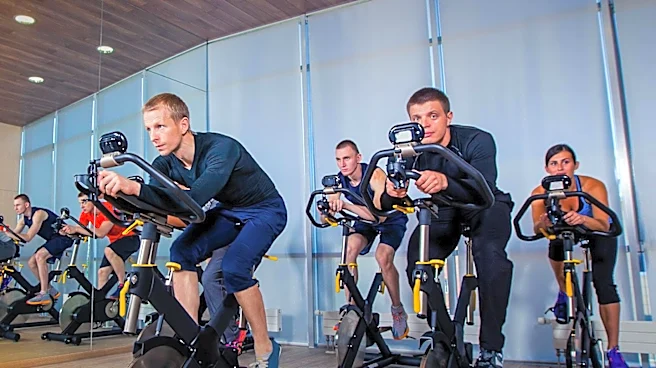
Orangetheory Fitness (OTF) offers group fitness classes centered around heart rate-based interval training. The core of their program is Zone Training, where participants aim to spend at least 12 minutes in the 'Orange' and 'Red' zones, representing 84-91%
of their maximum heart rate, during a 60-minute session. This approach is designed to maximize calorie burn and improve cardiovascular health. Workouts are standardized across all locations, ensuring consistent intensity and stimulus. OTF integrates rowing, weightlifting, and running to provide a balanced full-body workout, developing both muscular hypertrophy and aerobic capacity. The daily workout templates vary, focusing on Endurance, Strength, Power, or a combination (ESP) to challenge different aspects of fitness. Members wear an OTbeat heart rate monitor to track their intensity in real-time on studio screens. The company operates on a tiered monthly membership system, including Basic (4 classes/month), Elite (8 classes/month), and Premier (unlimited classes/month) options, with pricing varying by location.
Why It's Important?
Orangetheory Fitness's model is significant for the boutique fitness industry due to its data-driven, scientifically designed approach. The emphasis on heart rate zones provides a measurable and individualized workout experience, appealing to those seeking structured fitness programs. The standardized workouts ensure quality and consistency across its franchise locations, which is crucial for brand reputation and member expectations. The tiered membership system allows for flexibility, catering to different commitment levels and budgets, thereby broadening its market appeal. This model also highlights a trend in fitness towards specialized, coach-led group training that offers more guidance than traditional gyms but at a lower cost than one-on-one personal training. The focus on EPOC (Excess Post-Exercise Oxygen Consumption), or the 'afterburn effect,' is a key selling point, promising continued calorie burn post-workout, which can be a strong motivator for members.
What's Next?
Orangetheory Fitness will likely continue to refine its workout programming and technology to maintain engagement and attract new members. As consumer fitness priorities shift, potentially influenced by factors like GLP-1 weight-loss drugs, OTF may further emphasize strength training and overall health benefits beyond just weight loss. The company's ability to adapt its offerings to complement broader health trends, such as focusing on muscle preservation and longevity, will be crucial for sustained growth. Furthermore, as the boutique fitness market remains competitive, OTF may explore new class formats or specialized programs to cater to diverse fitness goals. The ongoing challenge will be to balance standardization with innovation, ensuring the core OTF experience remains consistent while evolving to meet changing member demands and market dynamics.
Beyond the Headlines
The success of Orangetheory Fitness reflects a broader cultural shift towards data-driven personal health and fitness. The reliance on real-time heart rate monitoring and 'Splat Points' (minutes spent in the Orange and Red zones) gamifies fitness, providing immediate feedback and fostering a sense of achievement. This approach taps into psychological motivators, encouraging adherence and pushing individuals beyond perceived limits. However, it also raises questions about potential over-reliance on metrics and the risk of members becoming overly focused on numbers rather than holistic well-being. The community aspect of group fitness, combined with expert coaching, addresses the need for social connection and accountability in health journeys, which can be a powerful antidote to the isolation often experienced in self-directed fitness routines. This model also underscores the economic viability of specialized fitness franchises that offer a premium experience compared to traditional gym memberships.