








What's Happening?
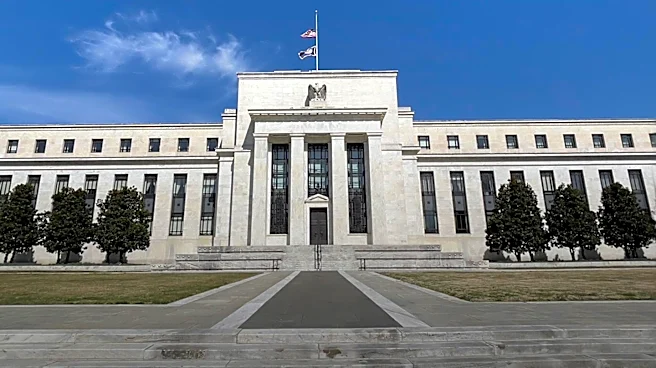
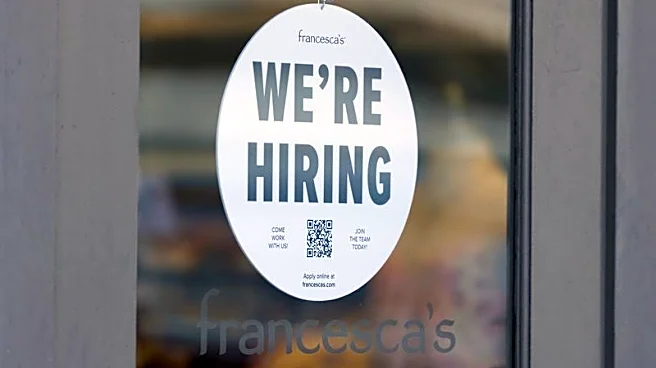
The latest U.S. jobs report indicates a slowdown in job growth for June, with payroll gains for the previous two months being revised lower. This development suggests a cooling yet stable labor market, which has led financial markets to reduce expectations
for an imminent Federal Reserve rate hike. The report provides relief to investors concerned about the potential for aggressive monetary policy tightening, which could impact high-flying tech stocks that have been pivotal in this year's market rally. The Federal Reserve had previously left rates unchanged in June but hinted at possible rate increases later in the year due to inflation concerns. The current jobs data, however, suggests that the labor market is not significantly contributing to inflation, offering the Fed more time to assess economic conditions before making further rate decisions.
Why It's Important?
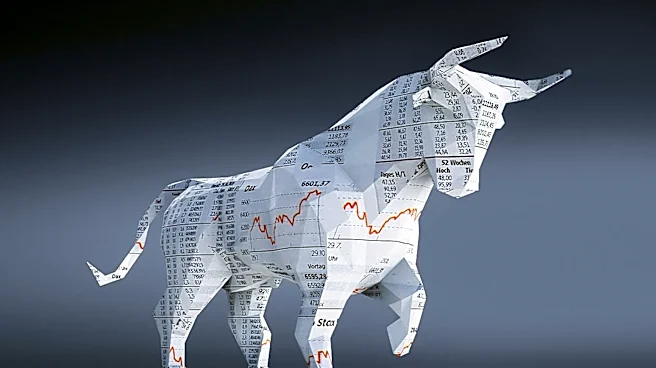
The slowdown in job growth is significant as it alleviates immediate pressure on the Federal Reserve to raise interest rates, which could have broader implications for the U.S. economy. Lower interest rates generally support higher equity valuations, particularly in sectors like technology that focus on long-term growth. This development could stabilize the stock market, which has experienced volatility due to concerns over potential rate hikes. Additionally, the cooling labor market may reassure policymakers that inflation is not being driven by employment gains, allowing for a more measured approach to monetary policy. This could benefit businesses and consumers by maintaining lower borrowing costs, supporting economic growth.
What's Next?
The Federal Reserve is likely to continue monitoring economic indicators closely before deciding on any rate changes. Market participants will be watching upcoming economic data and corporate earnings reports to gauge the health of the economy and the potential for future rate adjustments. If the trend of moderating labor market conditions and easing inflation continues, it could reinforce the case for a more accommodative monetary policy stance. This scenario would likely support current market valuations and investor sentiment, particularly in growth-oriented sectors.